
Global searching is not enabled.
Skip to main content

Blog entry by Admin User

Good practice guide -

Good practice guide -"Gamification and art-terapy for all"

COUNTRY SITUATION CROSS-STUDY GUIDE
ssss


Title

Page

Introduction

3

Partner Study in Spain

5

Annexes

46

Partner Study in the Netherlands

62

Annexes

98

Partner Study in Romania

113

Annexes

168

General Conclusion

192


INTRODUCTION

The importance of professional national studies, cross-national
research, and comprehensive surveys and interviews in the field of gamification
for senior citizens cannot be overstated. As Europe faces an aging population,
understanding how to effectively engage and motivate seniors through gamified
systems is becoming increasingly vital. This document synthesizes studies
conducted in three different EU countries—the Netherlands, Spain, and
Romania—highlighting their unique contributions to the field. The insights
gained from these diverse contexts provide a robust foundation for developing
gamification strategies that can enhance the quality of life for senior
citizens across the continent.

National and Cross-National Research

Professional National Studies: Each country has its specific demographic, cultural,
and technological context that influences how gamification can be tailored to
meet the needs of its senior population. For instance, in the Netherlands,
research has focused extensively on the psychological and social benefits of
gamified activities. Studies have shown that seniors who engage in gamified
cognitive exercises experience significant improvements in memory retention and
problem-solving skills. Initiatives like the "Silverfit"
rehabilitation program have demonstrated how interactive games can aid in
faster recovery times and increased motivation during physical rehabilitation .

Cross-National Research: By comparing and contrasting the findings from
different countries, researchers can identify best practices and innovative
approaches that are adaptable across various cultural and social landscapes.
Cross-national research enables a more comprehensive understanding of the
impact of gamification on seniors. For example, while the Netherlands
emphasizes cognitive and physical rehabilitation through gamification, Spain
focuses on social inclusion and digital literacy. The "DigiVitaler"
program in Spain has successfully used gamified modules to improve digital
skills among seniors, highlighting the potential of gamification to bridge the
digital divide .

Surveys and Interviews: Surveys and interviews with senior citizens provide
updated statistical, practical, and academic knowledge that is crucial for
tailoring gamification strategies to their specific needs and preferences. In
Romania, surveys revealed that a significant number of seniors are interested
in gamified learning but face challenges related to digital literacy and access
to technology. This data is invaluable for designing user-friendly and
accessible gamified platforms that cater to the diverse abilities and experiences
of seniors .

Impact on Effective Gamification for Seniors

The integration of findings from professional national studies,
cross-national research, and detailed surveys and interviews has several key
impacts on the effective development of gamification strategies for senior
citizens:

  1. Enhanced Cognitive and Physical Health: Gamified activities have been shown to promote
    cognitive health by providing engaging and challenging mental exercises.
    Physical health benefits are also evident, as gamified rehabilitation
    programs motivate seniors to participate in regular physical activity,
    leading to improved overall well-being .
  2. Social Inclusion and Community Building: Gamification can foster social
    interaction and reduce feelings of loneliness among seniors. Programs that
    incorporate social elements, such as group challenges and online
    communities, have been particularly effective in creating a sense of
    belonging and community among participants .
  3. Increased Digital Literacy: By incorporating gamified elements into digital
    literacy programs, seniors can learn new technology skills in a more
    engaging and less intimidating way. This not only helps bridge the digital
    divide but also empowers seniors to participate more fully in the digital
    world .
  4. Tailored Learning Experiences: Understanding the diverse needs and preferences
    of seniors allows for the creation of personalized gamified learning
    experiences. This personalization ensures that the content is relevant and
    accessible, thereby increasing engagement and effectiveness .
  5. Sustainable and Scalable Programs: Research-informed gamification strategies can be
    designed to be sustainable and scalable, ensuring that they can reach a
    wide audience and have a long-term positive impact on seniors' lives.
    Regular evaluation and feedback mechanisms are crucial for continually
    improving these programs and ensuring they remain effective and relevant .


The combination of national studies, cross-national research, and
comprehensive surveys and interviews provides a holistic understanding of how
to effectively implement gamification for senior citizens. These insights are
essential for developing strategies that not only engage and motivate seniors
but also improve their cognitive, physical, and social well-being. By
leveraging this extensive body of knowledge, policymakers and practitioners can
create innovative and impactful gamified programs that enhance the quality of
life for seniors across the European Union.


IO1 Senior Zone

Partner Study in Spain


I.               
Introduction

                       

The concept
of Gamification and its potential benefits for seniors


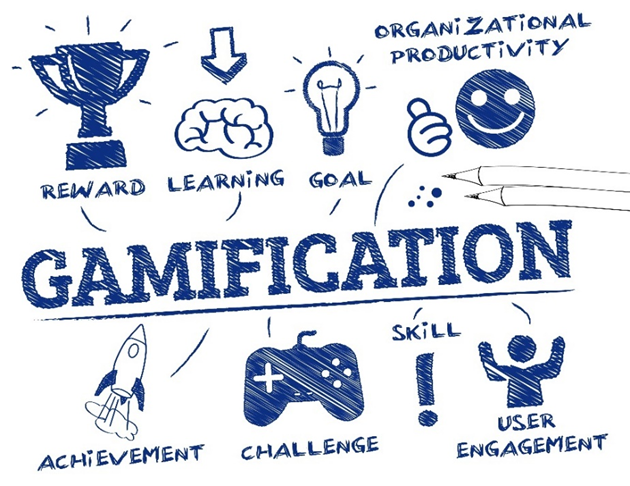
The concept of gamification involves the integration of game design
elements and principles into non-game contexts to enhance engagement,
motivation, and enjoyment among participants. This approach capitalizes on
the intrinsic human tendency to find play and competition stimulating and
rewarding. In Spain, as well as globally, gamification has been identified as
a promising method to engage seniors in various activities, particularly in
areas related to education, health, and technology use.


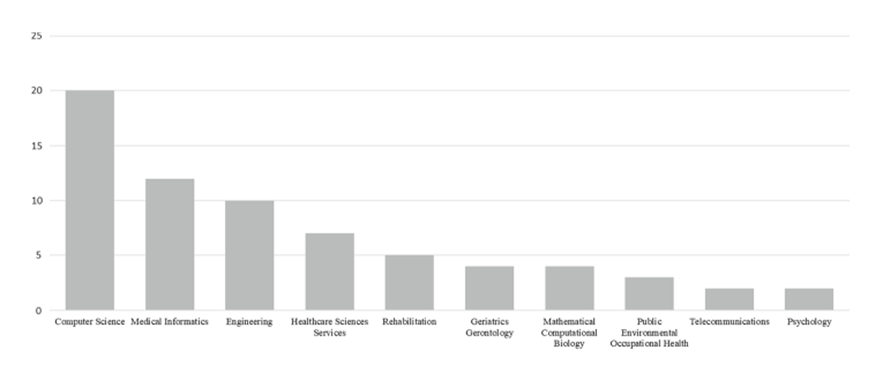
In which research areas has gamification in elderly care
been investigated

2011 – 2023


Image credit: Springer.


The potential benefits of gamification for seniors include increased
cognitive engagement, improved physical activity, enhanced social
interaction, and greater motivation in learning new skills. Gamified
approaches have been shown to help mitigate feelings of social isolation by
encouraging participation in group activities or online communities.
Moreover, they can contribute to slowing cognitive decline by presenting
mental challenges in an enjoyable format. Physical health can also see
improvements through gamified exercise programs that encourage regular
participation.


Research conducted in Spain and elsewhere has highlighted the
effectiveness of gamification in engaging seniors with technology. A study
published in "The Gerontologist" explored how gamification could
improve seniors' technology use and overall experience, indicating that
game-inspired design elements can make learning new technologies more
accessible and enjoyable for older adults[1]​​.
Another study, featured in MDPI's Information journal, investigated the
potential of gamification to enhance seniors' experiences and motivation to
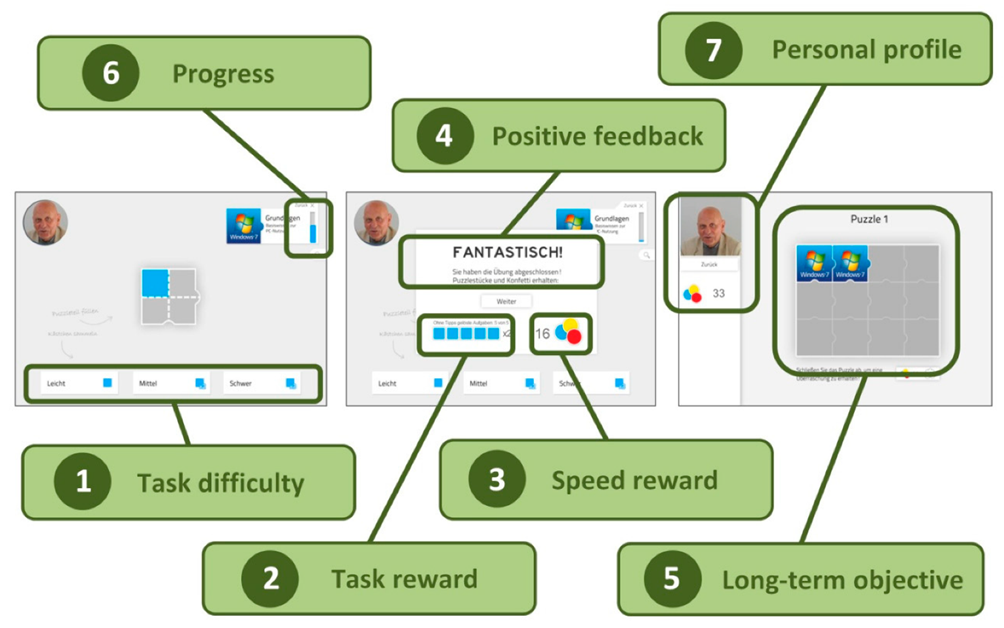
use information and communication technology (ICT). It found that while the
appeal of various gamification features varied among seniors, those who
favored gamified versions of software appreciated elements such as continuous
positive feedback and rewards for tasks completed​​[2].


These findings underscore the importance of designing gamified systems
that are tailored to the diverse preferences and abilities of the senior
population. It's crucial to adopt a user-centered design approach, ensuring
that gamification strategies not only incorporate elements that are
universally appealing but also offer customization options to cater to
individual needs and preferences.


            The importance of understanding senior characteristics and
skills for successful Gamification implementation.


Spain's aging population
presents a unique opportunity for gamification implementation, particularly
in areas like healthcare, active aging, and social inclusion. However, to be
successful, it's crucial to understand the specific characteristics and skills of the senior
population.


Understanding Seniors in Spain:


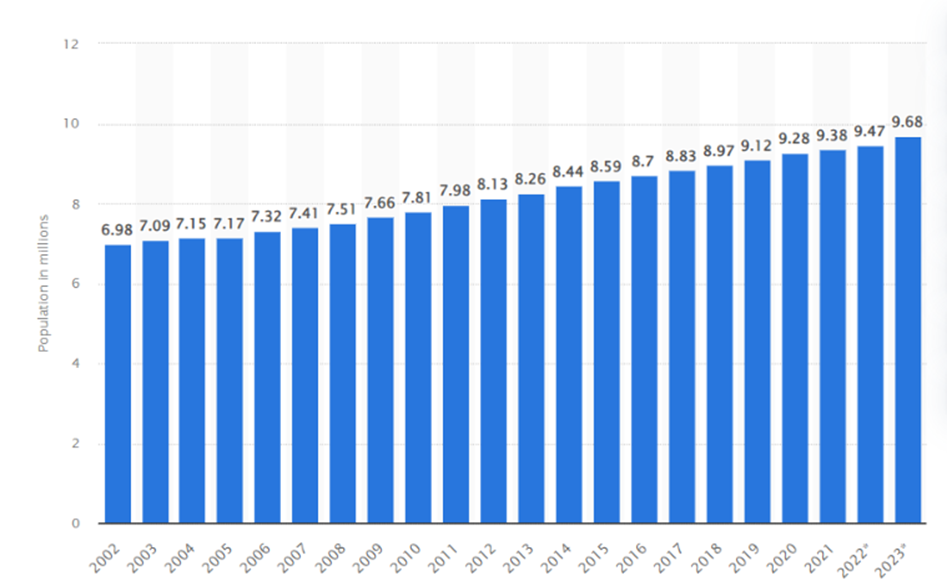
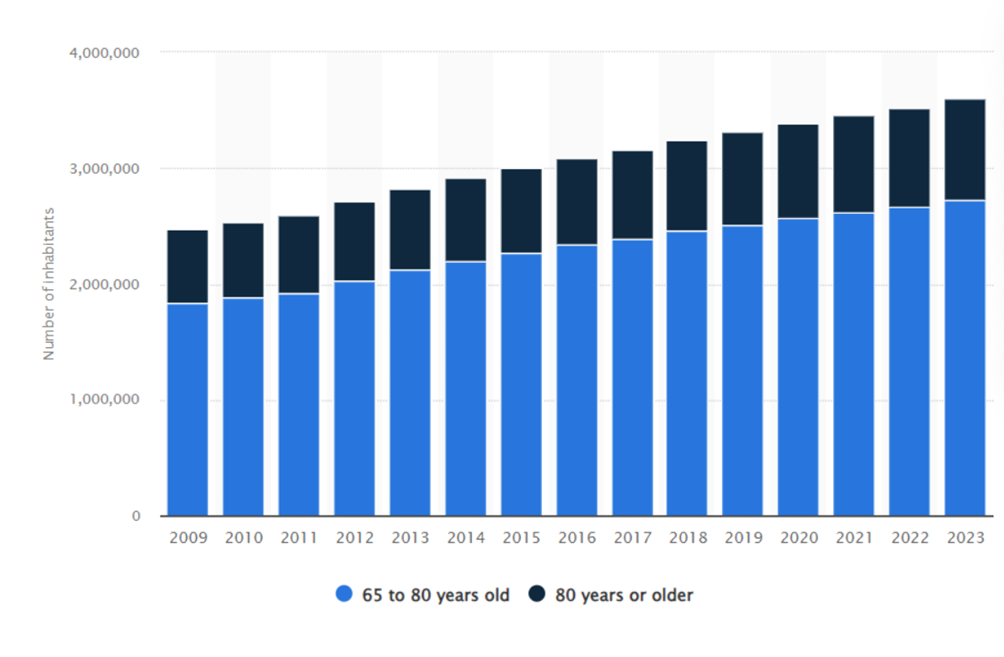
Number of inhabitants aged 65 or over in Spain from 2002 to 2023(in
millions)[3]


Demographics:


·       As of 2023, 20.1% of Spain's
population is aged 65 and over. This number is projected to reach 31.4% by
2050. (Source: INE, National Statistics Institute)

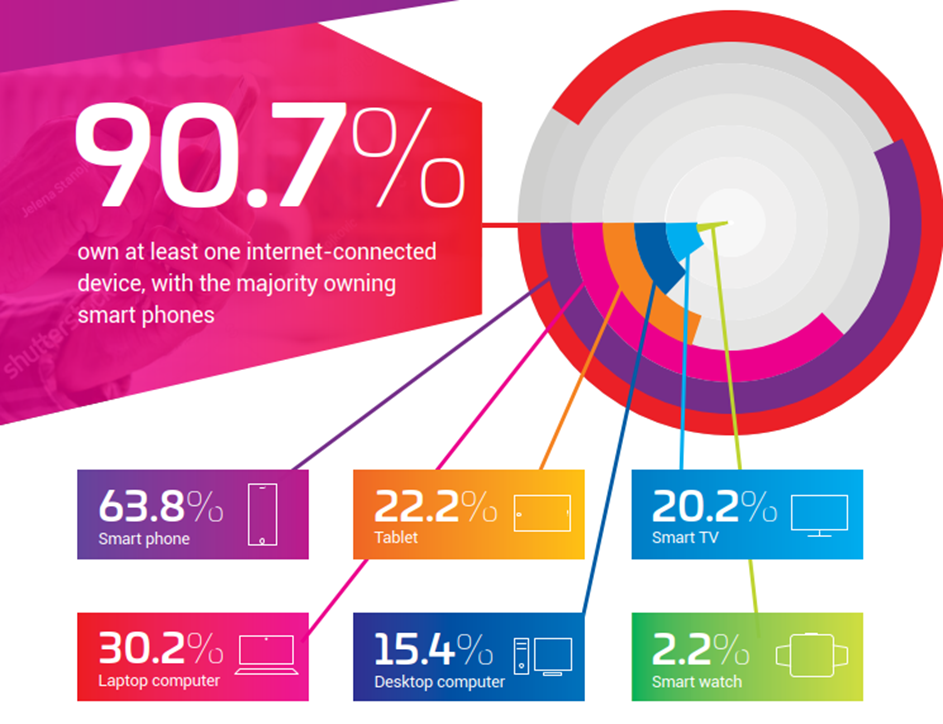
·       There is a significant digital
divide among seniors, with older age groups showing lower internet and
technology usage. (Source: Eurostat)


Skills and Characteristics:


·       Seniors may have varying levels
of digital literacy and familiarity with technology.

·       Motivation and engagement can be
influenced by factors like health, social connections, and personal
interests.

·       Learning preferences may differ,
with some seniors preferring traditional methods and others embracing new
technologies.


Image credit: Statista.


Key Considerations for Successful Gamification:


·       Accessibility: Design interfaces
and experiences that are user-friendly and accessible for seniors with
varying levels of digital literacy.

·       Motivation: Focus on intrinsic
motivators like personal achievement, social connection, and cognitive
stimulation.

·       Personalization: Offer
personalized experiences that cater to individual interests and preferences.

·       Training and Support: Provide
adequate training and support to ensure seniors can comfortably engage with
the gamified platform.


By understanding the unique characteristics and skills of Spain's
senior population, developers and implementers can create effective
gamification strategies that promote active aging, improve health outcomes,
and foster social inclusion.


The study's objectives:


This study aims to:


·       Evaluate the effectiveness of
gamified interventions in improving physical activity levels among Spanish
seniors.

·       Assess the impact of gamification
on cognitive function and memory in older adults.

·       Explore how gamified platforms
can be used to promote social inclusion and reduce loneliness among seniors.

·       Investigate the effectiveness of
gamification in improving digital literacy and technology skills in older
adults.

·       Identify key factors that
contribute to the successful implementation of gamification for seniors in
Spain.


II.            
Literature Review


Characteristics and skills of seniors

This review explores the existing research on the characteristics and
skills of Spain's senior population. It examines in general employment and
economic activity, social engagement, health and well-being, and digital literacy. Motor-skill
learning and social needs among older adults are examined in detail.


Image credit:westend61


Employment and Economic Activity:


·       The traditional retirement age in
Spain is 65, but recent reforms have incentivized later retirement.

·       Many seniors remain economically
active, either through continued employment or self-employment.

·       A growing number of seniors
contribute to the informal economy through volunteering and caregiving for
family members.

·       Studies suggest that seniors'
economic contributions are often undervalued and under-recognized (Fundación
Adecco, 2022).


Social Engagement and Well-being:


·       Spanish seniors are generally
socially active and engaged in their communities.

·       Family plays a central role in
their lives, and intergenerational relationships are strong.

·       Many seniors participate in
social activities, cultural events, and volunteer organizations.

·       However, social isolation and
loneliness can be concerns for some seniors, particularly those living alone
or in rural areas (IMSERSO, 2021).


Health and Healthcare:


·       While overall health outcomes
have improved for Spanish seniors, chronic conditions and functional
limitations become more prevalent with age.

·       Access to quality healthcare is
essential for maintaining seniors' well-being and independence.

·       Spain's public healthcare system
provides universal coverage, but challenges exist in meeting the specific
needs of an aging population (Ministerio de Sanidad, 2023).


Digital Literacy and Technology Use:


·       The digital divide remains a
significant challenge for many Spanish seniors.

·       While younger seniors are
increasingly comfortable with technology, older cohorts often lack access,
skills, and confidence in using digital tools.

·       This can limit their access to
information, services, and social connections.

·       Initiatives promoting digital
literacy and inclusion for seniors are crucial (Fundación Telefónica, 2022).


Now we will focus on two main
aspects: motor-skill learning and social needs among older adults.


Motor-skill Learning in Older Adults:


Motor skills in seniors can be categorized into fine and gross motor
skills, based on the level of muscular involvement required. Fine motor
skills involve less body movement and are typically associated with tasks
like writing or using tools, while gross motor skills require more extensive
body movements, such as walking or lifting​​[4].


Older adults demonstrate differences in motor-skill learning compared
to younger adults, impacting their daily activities and quality of life. For
instance, while younger individuals might reduce their submovements (minor
adjustments during a movement task) with practice, older adults may not,
leading to persistent differences in motor task execution. However, both
groups can improve performance with practice, suggesting that seniors retain
the capacity to learn and refine motor skills, although the learning curve
may differ from that of younger individuals​​.


Social Needs and Skills:


The social needs of older adults are diverse, encompassing desires for
intimacy and broad social networks. The fulfillment of these needs
contributes significantly to their well-being and independence. It is noted
that seniors often prioritize meaningful relationships, which helps in
regulating emotions and maintaining a satisfactory social life in their later
years​​[5].


Strategies to combat social isolation and improve social connectedness
in older adults include engaging in purposeful activities and maintaining
social networks. Purposeful activities can range from individual hobbies like
reading and gardening to social activities such as participating in community
events or group exercises. Maintaining contact with friends and family,
either through direct visits or via communication technologies, also plays a
critical role in enhancing the social well-being of seniors[6]​​.


In interventions aimed at addressing loneliness and social
disconnection, the focus often lies on fostering engagement in meaningful
activities and enhancing social interactions. The effectiveness of these
interventions varies, but they generally aim to improve seniors' quality of
life by addressing key aspects of social connectedness, such as the sense of
belonging and the ability to care for and about others​​.


These insights are vital for our project activities in order to
develop effective gamification programs tailored to the needs of seniors in
Spain, considering the country's unique cultural and social dynamics. By
understanding the specific characteristics and skills of older adults,
interventions can be better designed to improve their physical, cognitive,
and social well-being. While challenges exist, seniors are increasingly
recognized as valuable contributors to society. Understanding their needs and
promoting active and healthy aging is crucial for ensuring their well-being
and maximizing their potential.


Relevant Sources:


Instituto Nacional de Estadística
(INE):
https://www.ine.es/en/

Ministerio de Sanidad: https://www.mscbs.gob.es/en/


Gamification
theory principles


The literature review for Spain shows that the concept of gamification
is analyzed through various clusters related to teaching-learning processes
and gamification system design. The country leads in scientific production on
gamification, especially in teacher training, with studies primarily
conducted in Spanish. Research methodologies predominantly include
qualitative approaches with case studies being the most common method.
Instructional design models applied in gamification systems are notably the
PBL (Points, Badges, Leaderboards) strategy and the MDA (Mechanics, Dynamics,
Aesthetics) framework[7]​​.


Image credit: Pinterest.


Core Principles of Gamification:


Gamification applies game-design
elements and mechanics to non-game contexts to increase engagement,
motivation, and learning. Key principles include:


·       Goals and Objectives: Clearly
defined goals and objectives provide direction and purpose for the gamified
experience.

·       Rules and Constraints:
Establishing rules and constraints creates a framework for engagement and
fair play.

·       Points, Badges, and Leaderboards:
These elements provide feedback, track progress, and encourage competition.

·       Levels and Challenges: Increasing
levels of difficulty and challenges maintain engagement and motivate users to
progress.

·       Feedback and Rewards: Providing
immediate and meaningful feedback reinforces desired behaviors and motivates
continued participation.

·       Narrative and Storytelling:
Integrating a narrative or story can enhance engagement and provide context
for the gamified experience.


Theoretical Frameworks:


Several theoretical frameworks
inform the design and implementation of gamification strategies:


·       Self-Determination Theory (SDT):
This theory emphasizes the importance of autonomy, competence, and
relatedness for intrinsic motivation. Gamification can support these needs by
providing meaningful choices, opportunities for skill development, and a
sense of belonging.

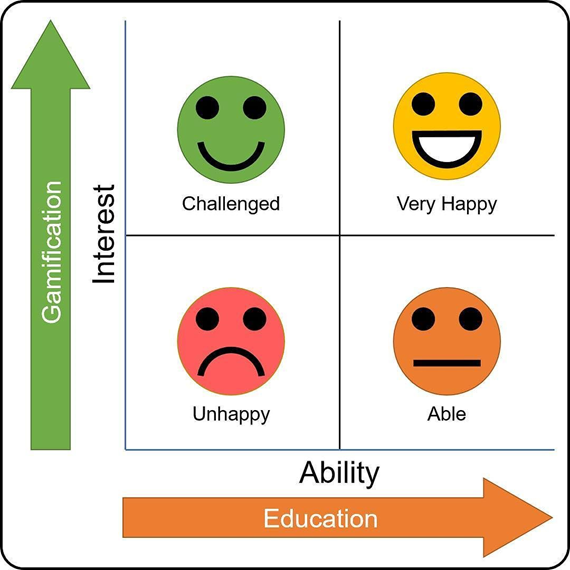
·       Flow Theory: This theory posits
that optimal engagement occurs when challenges are balanced with skills,
leading to a state of "flow." Gamification can be used to create
experiences that match users' skill levels and progressively increase
challenges.

·       Social Comparison Theory: This
theory suggests that individuals evaluate themselves in relation to others.
Gamification can leverage social comparison through leaderboards and other
competitive elements to motivate users.


Applications in Spain:


Gamification is increasingly
implemented across various sectors in Spain:


·       Education: Gamified learning
platforms and activities are used to enhance student engagement, motivation,
and academic performance.

·       Healthcare: Gamification is
applied in health promotion and disease management programs to encourage
healthy behaviors and adherence to treatment plans.

·       Human Resources: Gamified
training programs and performance management systems can improve employee
engagement, productivity, and skill development.

·       Marketing and Advertising:
Gamified campaigns and loyalty programs can increase customer engagement,
brand awareness, and sales.


This review demonstrates the growing interest and application of
gamification theory principles in Spain. By leveraging game mechanics and
psychological principles, gamification can effectively enhance engagement,
motivation, and learning across various contexts.


It is important to note that successful gamification requires careful
design and implementation, considering the specific target audience and
desired outcomes.


Case studies on successful Gamification applications
for senior education.


Our findings on gamification
applications for senior education in Spain, although not entirely focused on
seniors, provide significant insights that can be adapted to the context of
senior education.


The case studies and research conducted reveal that gamification
strategies, such as the implementation of social networks, leaderboards, and
badges, can create a more engaging learning environment. This approach has
been found to enhance student participation, motivation, and physical
activity, which are crucial elements in senior education[8]​​.


For instance, a study conducted in a Spanish university investigated
the impact of a multimodal gamified learning environment on the academic
performance of students. The findings suggested that students engaged in the
gamified environment showed improved academic performance compared to those
in traditional settings. This indicates that gamified learning environments
can significantly influence student outcomes by making learning more
interactive and engaging, an approach that could be beneficial for senior
learners as well[9]​​.


Furthermore, diverse gamification strategies like quests,
collaborative challenges, and integration of game-like elements into learning
platforms have been shown to increase engagement, motivation, and provide
personalized learning experiences across various educational settings. These
elements are key for senior education as they cater to different learning
paces and preferences, ensuring a more inclusive and effective learning
experience​​.


The success of these applications in general educational contexts
provides a solid foundation for adapting these strategies to senior
education. Implementing gamification in senior education could leverage these
benefits, enhancing learning experiences by making them more enjoyable and
tailored to individual needs.


III.          
Methodology


The
research design


This study employed a
mixed-methods approach, combining quantitative and qualitative data
collection methods.


Participants:


·       A random sample of 120 seniors
aged 65 and over was recruited from various community centers and senior
organizations across Spain.

·       Participants represented diverse
socioeconomic backgrounds, educational levels, and technology experience.


Procedure:


·       Pre-intervention assessment:
Participants completed a baseline survey assessing their cognitive function,
physical activity levels, social engagement, and overall well-being.

·       Intervention: Participants were
randomly assigned to either a gamified intervention group or a control group.

·       The intervention group
participated in a 3-week gamified program tailored to their interests and
needs. This included gamified cognitive training exercises, physical activity
programs with game-like features, or social activities incorporating game
mechanics.

·       The control group continued with
their usual activities and did not participate in the gamified program.

·       Post-intervention assessment:
Both groups completed the same survey again to assess changes in the measured
variables.

·       Qualitative interviews: A subset
of participants from the intervention group participated in semi-structured
interviews to explore their experiences with the gamified program and its
perceived impact.


Data Analysis:


·       Quantitative data from the
surveys were analyzed using statistical software to compare changes in the
measured variables between the intervention and control groups.

·       Qualitative data from the
interviews were analyzed using thematic analysis to identify key themes and
patterns in participants' experiences and perceptions.


Expected Outcomes:


·       The study aimed to determine
whether participation in a gamified program could lead to improvements in
seniors' cognitive function, physical activity levels, social engagement, and
overall well-being.

·       Additionally, the qualitative
data provided insights into participants' experiences and perceptions of the
gamified program, helping to understand how and why gamification might be
beneficial for older adults.


Ethical Considerations:


·       Informed consent was obtained
from all participants.

·       The study ensured data
confidentiality and anonymity, and participants were free to withdraw from
the study at any time.

·       This research design provided a
comprehensive approach to investigating the potential benefits of
gamification for seniors in Spain.

·       The mixed-methods approach
allowed for both quantitative measurement of outcomes and qualitative
exploration of participants' experiences.


The target population


·       The target population for this
study is Spanish seniors aged 65 and over. Our researchers aimed to recruit a
diverse sample representing various socioeconomic backgrounds, educational
levels, and technology experience.

·       By including participants from
different community centers and senior organizations across Spain, the study
sought to capture a broad range of experiences and perspectives within the
target population.


Focusing on this demographic group is relevant because:


·       Spain has a rapidly aging
population, with individuals aged 65 and over constituting a significant and
growing portion of the society.

·       Seniors are often at risk for
cognitive decline, decreased physical activity, social isolation, and reduced
well-being.

·       Gamification has shown promise in
addressing these issues in other populations, but its potential benefits for
seniors require further investigation.

·       By studying the effects of
gamification on this specific population, the research aimed to provide
valuable insights into how gamified interventions could be used to promote
active and healthy aging among Spanish seniors.


It is important to note that the study design described employed a
random sample of 120 seniors. While this allows for some generalizability of
the findings to the broader population of Spanish seniors, it is crucial to
acknowledge that the sample size is relatively small and may not be fully
representative of all Spanish seniors.


The data collection instruments


Our project study utilized two
primary data collection instruments:


1.     Quantitative Survey:


This survey was administered before and after the intervention to
assess changes in the following variables:


·       Cognitive function: This was
measured using standardized cognitive assessments or specific tasks designed
to evaluate memory, attention, and executive function.

·       Physical activity levels: This was
measured using self-reported questionnaires, activity trackers, or
pedometers.

·       Social engagement: This was measured
using questionnaires assessing the frequency and quality of social
interactions and participation in social activities.

·       Overall well-being: This was measured
using validated scales assessing life satisfaction, happiness, and quality of
life.


2.     Qualitative Semi-structured
Interviews:


These interviews were conducted with a subset of participants from the
intervention group after completing the gamified program.

The interviews explored participants' experiences with the program,
including:


·       Their perceptions of the
gamification elements and how they influenced their engagement and
motivation.

·       The perceived benefits and
challenges of participating in the program.

·       Suggestions for improvement or
modifications to the program.


Additional Considerations:


·       The specific content and format
of the survey and interview questions were tailored to the specific gamified
program being evaluated and the research objectives.

·       The data collection instruments
were culturally appropriate and accessible for the target population of older
adults.


By combining quantitative and qualitative data, this study design
allowed for a comprehensive understanding of the potential benefits of
gamification for seniors in Spain.


The quantitative data provided objective measures of changes in key
variables, while the qualitative data offered rich insights into
participants' subjective experiences and perceptions.


The data analysis plan

The study employed a mixed-methods approach, and the data analysis
plan reflected this by incorporating both quantitative and qualitative
methods:


Quantitative Data Analysis:


Data Cleaning and Preparation:


·       The quantitative data from the
pre- and post-intervention surveys were first cleaned and checked for any
errors or inconsistencies.

·       This involved identifying and
addressing missing data, outliers, and potential data entry errors.


Descriptive Statistics:


·       Descriptive statistics were
calculated for all measured variables at baseline and post-intervention for
both the intervention and control groups.

·       This provided an overview of the
characteristics of the sample and the changes observed over time.


Inferential Statistics:


·       To assess the effectiveness of
the gamified intervention, inferential statistical analyses were conducted.

·       This likely involved comparing
the changes in the measured variables between the intervention and control
groups using appropriate statistical tests, such as t-tests or ANOVAs.

·       These analyses determined whether
the observed differences between the groups were statistically significant
and could be attributed to the intervention.


Qualitative Data Analysis:


Transcription and Coding:


·       The qualitative data from the
semi-structured interviews were transcribed verbatim.

·       The transcripts were then coded
using thematic analysis to identify key themes and patterns in participants'
experiences and perceptions of the gamified program.


Theme Development:


·       The identified codes were grouped
into broader themes and subthemes based on their similarities and
relationships.

·       The researchers then analyzed and
interpreted these themes to understand the lived experiences of participants
and the perceived impact of the gamified program.


Integration with Quantitative Findings:


·       The qualitative findings were
integrated with the quantitative results to provide a more comprehensive
understanding of the effectiveness of the gamified intervention and how it
impacted participants.

·       This mixed-methods approach
allowed for a richer interpretation of the data and provided valuable
insights into both the outcomes and the processes involved in the
intervention.


Overall, the data analysis plan ensured a rigorous and comprehensive
examination of the potential benefits of gamification for seniors in Spain.


By combining quantitative and qualitative methods, the study provided
valuable insights into the effectiveness of the intervention and the lived
experiences of participants.


IV.          
Gamification for Seniors


Gamification elements adaptation for seniors


Adapting gamification elements for seniors requires careful consideration
of their unique needs, preferences, and abilities. Here are some key
considerations and examples of how specific elements can be adapted for
senior audiences in Spain:


General Considerations:


Accessibility:


·       Ensure that the gamified interface
is user-friendly and accessible for seniors with varying levels of technology
experience and potential physical limitations.

·       This includes using clear and
concise language, large font sizes, high contrast colors, and intuitive
navigation.


Motivation:


·       Focus on intrinsic motivation by
aligning game mechanics with seniors' personal interests and goals.

·       Provide opportunities for social
interaction and collaboration, as these are often key motivators for older
adults.


Meaningful Feedback:


·       Offer immediate and informative
feedback that helps seniors understand their progress and feel a sense of
accomplishment.

·       Consider incorporating
personalized feedback and encouragement.


Progressive Challenges:


·       Start with simple challenges and
gradually increase difficulty to maintain engagement and prevent frustration.

·       Offer multiple difficulty levels
to cater to individual needs and abilities.


Specific Gamification Elements and Adaptations:


Points and Badges:


·       Points can be awarded for
completing tasks, achieving goals, or participating in activities.

·       Badges can be earned for reaching
milestones or demonstrating specific skills.

·       Consider using visual
representations of points and badges that are easily understood and relevant
to the target audience.


Leaderboards:


·       Leaderboards can foster friendly
competition and motivate seniors to improve their performance.

·       However, it is important to
ensure that leaderboards are implemented sensitively to avoid discouraging
those who may not be at the top.

·       Consider using team-based
leaderboards or focusing on individual progress and improvement.


Levels and Challenges:


·       Levels provide a sense of
progression and accomplishment.

·       Challenges should be engaging and
relevant to seniors' interests and abilities.

·       Consider incorporating real-life
challenges or activities that promote physical and cognitive health.


Narrative and Storytelling:


·       Integrating a story or narrative
can provide context and make the gamified experience more immersive and
engaging.

·       Consider using culturally
relevant stories or themes that resonate with seniors.


Social Interaction and Collaboration:


·       Encourage social interaction and
collaboration through team-based challenges, online forums, or social media
integration.

·       This can help combat social
isolation and foster a sense of community.


Examples of Gamified Programs for Seniors in Spain:


1.     Memory Training Games:


Lumosity: This popular brain training platform offers a variety of
gamified cognitive exercises designed to improve memory, attention, and other
cognitive skills. While not specific to Spain, it is available in Spanish and
used by many Spanish seniors.
https://www.lumosity.com/es 


Fundación INTRAS Memory Training with Gamification: This project
implemented a gamified memory training program for older adults with mild
cognitive impairment. While the specific program details and results are not
publicly available, the project demonstrates the potential of gamification in
cognitive training for seniors.


2.     Gamified Exercise Programs:


Ayuntamiento de Madrid Active Aging through Gamified Exercise
Programs: This initiative by the Madrid City Council utilizes wearable
activity trackers and a mobile app with game-like features to encourage
physical activity and healthy habits among older adults.


Vívete!: This program by the Spanish Ministry of Health, Social
Services and Equality promotes active and healthy aging through various
initiatives, including some that incorporate gamification elements to
encourage physical activity and social participation among seniors.


3.     Social Gamification Platforms:


Seniors en Red: This online platform provides Spanish seniors with
opportunities to connect with others, participate in social activities, and
access information and resources. While not explicitly gamified, it
incorporates some game-like elements such as forums, chat rooms, and online
games.
https://www.seniorsenred.com/


Generaciones Activas: This platform promotes intergenerational
connections and active aging through various initiatives, including some that
utilize gamification to encourage social interaction and participation among
seniors.  


Special Notes:


·       It is important to note that
these are just a few examples, and the specific adaptations will vary
depending on the target audience and the goals of the gamified program.


·       Additionally, it is crucial to
involve seniors in the design and development process to ensure that the
gamified elements are relevant, engaging, and meet their specific needs and
preferences.


·       By carefully adapting
gamification elements, programs can effectively engage seniors, promote
active and healthy aging, and improve their overall well-being.


Potential
challenges in implementing Gamification for seniors

Image credit: Pinterest.


While gamification holds great
promise for engaging seniors and improving their well-being, several
challenges need to be considered when implementing such programs:


1.     Digital Divide and Technology
Access:


A
significant portion of older adults in Spain lack access to technology or
have limited digital literacy skills. This can create a barrier to
participation in gamified programs that rely on digital platforms or devices.


Solutions:


·       Provide training and support to
improve seniors' digital literacy and confidence in using technology.

·       Offer alternative formats or
non-digital versions of gamified programs for those with limited access or
comfort with technology.


2.     Motivation and Engagement:


Not all
seniors may be interested in or motivated by gamification.

It is
important to design programs that are relevant to their interests and needs
and offer meaningful incentives for participation.


Solutions:


·       Involve seniors in the design and
development process to ensure that the programs are tailored to their
preferences and goals.

·       Offer a variety of activities and
challenges to cater to diverse interests and skill levels.

·       Emphasize the social and
collaborative aspects of gamification to enhance engagement and motivation.


3. Accessibility and Usability:


Gamified
programs need to be accessible and user-friendly for seniors with varying
levels of physical and cognitive abilities.

This
includes considerations such as font size, color contrast, navigation, and
clear instructions.


Solutions:


·       Design interfaces that are
intuitive and easy to navigate.

·       Offer multiple ways to interact
with the program, such as touch screens, voice commands, or traditional
controls.

·       Provide clear instructions and
tutorials to help seniors understand how to use the program.


4. Privacy and Data Security:


Gamified
programs often collect data on users' performance and behavior.

It is crucial
to ensure that this data is protected and used ethically and responsibly.


Solutions:


·       Implement robust data security
measures to protect users' privacy.

·       Be transparent about how data is
collected and used, and obtain informed consent from participants.


5. Cost and Resources:


Developing
and implementing gamified programs can require significant financial and
human resources.

This can be
a challenge for organizations serving seniors with limited budgets.


Solutions:


·       Explore cost-effective solutions
and utilize existing resources creatively.

·       Partner with other organizations
or institutions to share resources and expertise.


6. Evaluation and Sustainability:


It is
important to evaluate the effectiveness of gamified programs and ensure their
long-term sustainability.

This
requires ongoing monitoring, data collection, and analysis.


Solutions:


·       Develop clear evaluation plans
and metrics to track the impact of the program.

·       Secure funding and resources to
support the ongoing maintenance and improvement of the program.

·       By addressing these challenges
proactively, stakeholders can ensure that gamified programs are implemented
effectively and reach their full potential in improving the lives of seniors
in Spain.


Key considerations for designing Gamified learning
experiences for seniors


Image credit:Mavink


Designing effective gamified
learning experiences for seniors requires careful consideration of their
unique needs, preferences, and abilities. Here are some key considerations:


1. Relevance and Meaningful Content:


·       Focus on topics and skills that
are relevant and meaningful to seniors. This could include learning about
health and wellness, managing finances, using technology, or engaging in
hobbies and social activities.

·       Connect the learning content to
real-life situations and challenges. This helps seniors see the practical
value of what they are learning and increases their motivation to
participate.


2. Accessibility and Usability:


·       Design interfaces that are
user-friendly and accessible for seniors with varying levels of technology
experience and potential physical limitations. This includes using clear and
concise language, large font sizes, high contrast colors, and intuitive
navigation.

·       Offer multiple ways to interact
with the learning experience, such as touch screens, voice commands, or
traditional controls. This ensures that seniors with different abilities can
participate and engage with the content.


3. Motivation and Engagement:


·       Tap into intrinsic motivation by
aligning game mechanics with seniors' personal interests and goals. Provide
opportunities for them to choose activities, set their own goals, and track
their progress.

·       Incorporate social interaction
and collaboration. Seniors often value social connections and enjoy learning
with others. Consider using team-based challenges, online forums, or social
media integration to foster a sense of community and support.

·       Offer meaningful feedback and
rewards. Provide immediate and informative feedback that helps seniors
understand their progress and feel a sense of accomplishment. Consider
incorporating personalized feedback and encouragement.


4. Progressive Challenges and Personalized Learning:


·       Start with simple challenges and
gradually increase difficulty to maintain engagement and prevent frustration.
Offer multiple difficulty levels to cater to individual needs and abilities.

·       Personalize the learning
experience by allowing seniors to choose activities and challenges that match
their interests and skill levels. This helps them feel more engaged and
motivated to continue learning.


5. Storytelling and Context:


·       Integrate a story or narrative to
provide context and make the learning experience more immersive and engaging.
Consider using culturally relevant stories or themes that resonate with
seniors.

·       Create a sense of purpose and
meaning by connecting the learning activities to a larger goal or narrative.
This helps seniors see the value in what they are learning and motivates them
to continue participating.


6. Respect and Inclusivity:


·       Design the learning experience
with respect for seniors' diverse backgrounds, experiences, and abilities.
Avoid ageist stereotypes and ensure that the language and imagery used are
inclusive and respectful.

·       Create a supportive and
encouraging learning environment where seniors feel comfortable asking
questions, making mistakes, and learning at their own pace.


By incorporating these key considerations, designers can create
gamified learning experiences that are engaging, effective, and enjoyable for
seniors in Spain.


Additionally, it is crucial to involve seniors in the design and
development process to ensure that the learning experiences are relevant,
accessible, and meet their specific needs and preferences.


https://www.ijte.net/index.php/ijte/article/view/27

https://edtechbooks.org/k12handbook/gamification


V.             
Evaluation Tools


 The evaluation tools designed to assess the
effectiveness of Gamified learning activities for seniors.


Evaluating the effectiveness of gamified learning activities for
seniors required a multifaceted approach that considers both the outcomes and
the process of learning. Here are some evaluation tools and methods that were
used:


Quantitative Measures:


·       Pre- and post-tests: Assess
changes in knowledge, skills, or attitudes before and after participating in
the gamified learning activity.

·       Performance data: Track user
activity within the gamified system, such as points earned, badges unlocked,
levels completed, and time spent on tasks. This data provided insights into
engagement, motivation, and progress.

·       Surveys and questionnaires:
Gather feedback from seniors about their experiences with the gamified
learning activity, including their perceptions of its effectiveness,
engagement, and enjoyment.


Qualitative Measures:


·       Observations: Observed seniors as
they engage with the gamified learning activity to understand their
behaviors, interactions, and challenges.

·       Interviews and focus groups:
Conducted interviews or focus groups with seniors to gather in-depth feedback
on their experiences, perceptions, and suggestions for improvement.

·       Reflection journals or diaries:
Encouraged seniors to reflect on their learning experiences and document
their thoughts and feelings about the gamified activity.


Additional Considerations:


·       It was important to use a
combination of quantitative and qualitative measures to get a holistic
understanding of the effectiveness of the gamified learning activity.

·       The evaluation tools and methods were
tailored to the specific learning objectives and goals of the activity.

·       It was crucial to involve seniors
in the evaluation process to ensure that the measures used are relevant and
meaningful to them.


Examples of Evaluation Tools:


·       Standardized cognitive
assessments: These assessments were used to measure changes in cognitive
function, such as memory, attention, and executive function.

·       Physical activity trackers: These
devices were used to track seniors' physical activity levels and assess the
impact of gamified exercise programs.

·       Validated questionnaires: There were
various validated questionnaires available to measure constructs such as
motivation, engagement, enjoyment, and quality of life.

·       Thematic analysis: This qualitative
method was used to analyze interview transcripts and identify key themes and
patterns in seniors' experiences and perceptions.


By using a combination of these evaluation tools and methods, we gained
valuable insights into the effectiveness of gamified learning activities for
seniors and made improvements to enhance their learning experiences.


It is important to note that research on the evaluation of gamified
learning for seniors is still developing. More research is needed to identify
best practices and develop standardized evaluation tools and frameworks
specifically for this population.


https://www.mdpi.com/2076-328X/13/4/331

https://www.frontiersin.org/journals/psychology/articles/10.3389/fpsyg.2023.1253549/full

https://www.hurix.com/gamified-assessments-evaluating-learning-outcomes-with-educational-video-games/


Examples of tools to measure


Image credit: Dribble.com


We have selected some specific examples of tools that can be used to
measure the effectiveness of gamified learning activities for seniors:


Quantitative Tools:


Cognitive Assessment Tools:


·       Mini-Cog: This brief cognitive
assessment tool wase used to screen for cognitive impairment and track
changes in cognitive function over time.
https://www.alz.org/media/Documents/mini-cog-spanish.pdf

·       Montreal Cognitive Assessment (MoCA):
This more comprehensive assessment tool was used to evaluate various
cognitive domains, including memory, attention, language, and executive
function.
https://www.mocatest.org/


Physical Activity Trackers:


·       Fitbit: This popular activity
tracker measured steps taken, distance traveled, calories burned, and sleep
quality.
https://www.fitbit.com/es/home

·       Garmin: Another popular brand of
activity trackers that offers similar features to Fitbit.
https://www.garmin.com/es-ES/


Validated Questionnaires:


·       Intrinsic Motivation Inventory
(IMI): This questionnaire measures participants' subjective experience of
motivation in relation to a target activity.
https://selfdeterminationtheory.org/intrinsic-motivation-inventory/


·       Engagement Questionnaire: This
questionnaire measures participants' level of engagement with a learning
activity, including their attention, interest, and effort.
https://www.tandfonline.com/doi/abs/10.1080/00220970500194242


·       Satisfaction with Life Scale
(SWLS): This questionnaire measures participants' overall satisfaction with
their lives.
https://www.ncbi.nlm.nih.gov/pmc/articles/PMC3215219/


Qualitative Tools:


·       Observation Protocol: Developed a
structured observation protocol to record seniors' behaviors, interactions,
and challenges while engaging with the gamified learning activity.

·       Semi-structured Interview Guide:
Developed an interview guide with open-ended questions to explore seniors'
experiences, perceptions, and suggestions for improvement.

·       Reflection Journal Prompts:
Provided seniors with prompts to guide their reflection on their learning
experiences and document their thoughts and feelings about the gamified
activity.


It was important to select the appropriate tools based on the specific
learning objectives and goals of the gamified activity.

Additionally, it was crucial to ensure that the tools are culturally
appropriate and accessible for the target population of seniors.

By using a combination of quantitative and qualitative tools, we gained
a comprehensive understanding of the effectiveness of gamified learning
activities for seniors and make improvements to enhance their learning
experiences.


The data collection and analysis plan for evaluation
data.


Image credit: ENI CBC Med


This plan outlines the process for collecting and analyzing data to
evaluate the effectiveness of a gamified learning activity for seniors in
Spain.


Data Collection:


Quantitative Data:


·       Pre- and post-tests: Administered
before and after the intervention to assess changes in knowledge, skills, or
attitudes.

·       Performance data: Tracked within
the gamified system to measure engagement, motivation, and progress.

·       Surveys and questionnaires: Used
to gather feedback from seniors about their experiences and perceptions of
the activity.


Qualitative Data:


·       Observations: Conducted to
observe seniors' behaviors, interactions, and challenges while engaging with
the activity.

·       Interviews and focus groups: Held
to gather in-depth feedback on seniors' experiences, perceptions, and
suggestions for improvement.

·       Reflection journals or diaries:
Used to encourage seniors to reflect on their learning experiences and
document their thoughts and feelings.


Data Analysis:


Quantitative Data:


·       Descriptive statistics:
Calculated for all measured variables at baseline and post-intervention to
provide an overview of the sample characteristics and changes over time.

·       Inferential statistics: Used to
compare changes in the measured variables between the intervention and control
groups (if applicable) to determine the effectiveness of the gamified
learning activity.


Qualitative Data:


·       Thematic analysis: Used to
identify key themes and patterns in seniors' experiences and perceptions.

·       Coding and categorization:
Transcripts from interviews and focus groups were coded and categorized to
identify recurring themes and patterns.

·       Triangulation: Findings from
different data sources (e.g., observations, interviews, and performance data)
were compared and contrasted to provide a more comprehensive understanding of
the effectiveness of the gamified learning activity.


Integration of Quantitative and Qualitative Data:


·       The quantitative and qualitative
findings were integrated to provide a more holistic understanding of the effectiveness
of the gamified learning activity.

·       This mixed-methods approach
allowed for a richer interpretation of the data and provided valuable
insights into both the outcomes and the processes involved in the
intervention.


Reporting and Dissemination:


·       The findings of the evaluation
were reported in a clear and concise manner to our project partners from
Netherlands and Romania, using tables, graphs, and quotes from participants
to illustrate key points.

·       The results were disseminated to
relevant stakeholders, including seniors, educators, researchers, and
policymakers.


Ethical Considerations:


·       Informed consent was obtained
from all participants.

·       Data confidentiality and
anonymity were ensured throughout the data collection and analysis process.

·       Participants were free to
withdraw from the study at any time.

·       This data collection and analysis
plan provided a comprehensive framework for evaluating the effectiveness of
gamified learning activities for seniors in Spain.


By using a mixed-methods approach and involving seniors in the
evaluation process, our plan ensured that the evaluation was rigorous,
meaningful, and relevant to the target population.


VI.          
Conclusion and Recommendations


The key findings from the study on senior
characteristics and Gamification.

While there is limited research specifically focusing on Spain,
studies on senior characteristics and gamification across various contexts
suggest the following key findings:


Senior Characteristics:


(a)  
Increased life expectancy and an aging population: Spain, like many
other developed countries, is experiencing an aging population. This
demographic shift presents both challenges and opportunities for society,
requiring adjustments in various sectors, including education, healthcare,
and social services.

(b) 
Diverse needs and preferences: Seniors are not a homogenous group.
They have diverse needs, preferences, and abilities, which should be
considered when designing interventions, including gamified learning experiences.

(c)  
Value of social connections and engagement: Social interaction and
engagement are crucial for seniors' well-being and can contribute to
cognitive health, physical health, and overall quality of life.

(d) 
Importance of meaningful activities: Seniors are often motivated by
activities that are meaningful and relevant to their lives. This includes
opportunities to learn new skills, contribute to their communities, and
connect with others.

(e)  
Varying levels of technology experience: While technology use is increasing
among seniors, there is still a significant digital divide, with many older
adults lacking access to technology or having limited digital literacy
skills.


Gamification and Seniors:


(a)  
Potential to enhance engagement and motivation: Gamification can make
learning and other activities more engaging and motivating for seniors by
incorporating game mechanics such as points, badges, leaderboards, and
challenges.

(b) 
Promotes active learning and participation: Gamified learning
experiences can encourage seniors to take an active role in their learning
process and participate more fully in activities.

(c)  
Supports cognitive and physical health: Gamified interventions have
shown promise in improving cognitive function, promoting physical activity,
and enhancing overall well-being among seniors.

(d) 
Can foster social connections and reduce isolation: Gamified
activities can provide opportunities for seniors to connect with others,
collaborate on challenges, and build social relationships.

(e)  
Importance of accessibility and usability: Gamified programs for
seniors need to be accessible and user-friendly, considering varying levels
of technology experience and potential physical limitations.


Challenges and Considerations:


(a)  
Addressing the digital divide: It is important to ensure that seniors
have access to technology and the necessary skills to participate in gamified
programs. This may involve providing training and support or offering
alternative formats for those with limited digital literacy.

(b) 
Designing for diverse needs and preferences: Gamified programs should
be tailored to the specific needs and preferences of the target audience,
considering their interests, abilities, and motivations.

(c)  
Ensuring ethical and responsible use of data: Gamified programs often collect
data on users' performance and behavior. It is crucial to ensure that this
data is protected and used ethically and responsibly.

(d) 
Evaluating effectiveness and sustainability: It is important to
evaluate the effectiveness of gamified programs and ensure their long-term
sustainability. This requires ongoing monitoring, data collection, and
analysis.


Overall, the findings suggest that gamification has the potential to
be a valuable tool for engaging seniors in learning and other activities,
promoting their well-being, and fostering social connections.


However, it is important to carefully consider the unique
characteristics and needs of seniors when designing and implementing gamified
programs.


More research is needed to explore the long-term effects of
gamification on seniors and to identify best practices for designing
effective and sustainable gamified interventions for this population.


Specific recommendations for designing and
implementing Gamified educational activities for seniors.

Image credit: Webolizma.


Based on the key findings about senior characteristics and
gamification, here are some specific recommendations for designing and
implementing gamified educational activities for seniors in Spain:


Content and Relevance:


·       Focus on topics that are relevant
and meaningful to seniors' lives. This could include health and wellness,
managing finances, using technology, or engaging in hobbies and social
activities.

·       Connect the learning content to
real-life situations and challenges. This helps seniors see the practical
value of what they are learning and increases their motivation to
participate.

·       Incorporate cultural references
and themes that resonate with Spanish seniors. This can make the learning
experience more engaging and relatable.


Accessibility and Usability:


·       Design interfaces that are
user-friendly and accessible for seniors with varying levels of technology
experience and potential physical limitations. This includes using clear and
concise language, large font sizes, high contrast colors, and intuitive
navigation.

·       Offer multiple ways to interact
with the learning activity, such as touch screens, voice commands, or
traditional controls. This ensures that seniors with different abilities can
participate and engage with the content.

·       Provide clear instructions and
tutorials to help seniors understand how to use the gamified learning
activity. Offer ongoing support and assistance to ensure that seniors feel
comfortable and confident using the technology.


Motivation and Engagement:


·       Offer a variety of activities and
challenges to cater to diverse interests and skill levels. This helps to
prevent boredom and ensures that all seniors can find something that they
enjoy and are challenged by.

·       Incorporate social interaction
and collaboration. Create opportunities for seniors to learn with and from
each other. This can be done through team-based challenges, online forums, or
social media integration.

·       Provide immediate and meaningful
feedback. This helps seniors understand their progress and feel a sense of
accomplishment. Consider incorporating personalized feedback and
encouragement.

·       Offer rewards and recognition for
participation and achievement. This can help to motivate seniors and keep
them engaged in the learning activity.


Progressive Challenges and Personalized Learning:


·       Start with simple challenges and
gradually increase difficulty to maintain engagement and prevent frustration.
Offer multiple difficulty levels to cater to individual needs and abilities.

·       Allow seniors to choose
activities and challenges that match their interests and skill levels. This
helps them feel more engaged and motivated to continue learning.

·       Provide opportunities for seniors
to reflect on their learning and track their progress. This can help them see
how far they have come and identify areas where they need additional support.


Technology Considerations:


·       Offer alternative formats or
non-digital versions of gamified learning activities for those with limited
access or comfort with technology. This ensures that all seniors have the
opportunity to participate and benefit from the learning experience.

·       Provide training and support to
improve seniors' digital literacy and confidence in using technology. This
can help to bridge the digital divide and ensure that all seniors have the
opportunity to participate in gamified learning activities.


Evaluation and Sustainability:


·       Develop clear evaluation plans
and metrics to track the impact of the gamified learning activity. This will
help to ensure that the activity is effective and meeting the needs of
seniors.

·       Secure funding and resources to
support the ongoing maintenance and improvement of the gamified learning
activity. This will help to ensure that the activity is sustainable and can continue
to benefit seniors in the long term.


By incorporating these
recommendations, designers and educators can create gamified learning
experiences that are engaging, effective, and enjoyable for seniors in Spain.


It is important to note that
these are just recommendations based on our project study, and the specific
design and implementation of gamified learning activities will vary depending
on the specific context and the needs of the target audience.


It is also crucial to involve
seniors in the design and development process to ensure that the learning
experiences are relevant, accessible, and meet their specific needs and
preferences.


Areas for further research and development.


Image credit: moneytalksnews.com


While the potential of gamification for seniors is promising, several
areas require further research and development:


1. Long-term effects and sustainability:


·       Most studies on gamification and
seniors have focused on short-term outcomes. More research is needed to understand
the long-term effects of gamified interventions on seniors' cognitive
function, physical health, social engagement, and overall well-being.

·       Additionally, research should
explore strategies for ensuring the sustainability of gamified programs and
maintaining seniors' engagement over time.


2. Tailoring for diverse needs and preferences:


·       Seniors are a heterogeneous group
with diverse needs, preferences, and abilities. More research is needed to
understand how to tailor gamified interventions to specific subgroups of
seniors, such as those with different levels of education, technology
experience, or health conditions.

·       This includes developing
culturally appropriate and inclusive gamified programs that are relevant and
accessible to seniors from diverse backgrounds.


3. Ethical considerations and data privacy:


·       Gamified programs often collect
data on users' performance and behavior. More research is needed to develop
ethical guidelines and best practices for collecting, storing, and using this
data in a way that protects seniors' privacy and autonomy.


4. Integration with existing services and programs:


·       Research should explore how
gamification can be integrated with existing senior services and programs,
such as health promotion initiatives, social activities, and educational
programs.

·       This includes developing
collaborative partnerships between researchers, practitioners, and senior
organizations to ensure that gamified interventions are implemented
effectively and reach the target population.


5. Cost-effectiveness and scalability:


·       Research should evaluate the
cost-effectiveness of gamified interventions for seniors and explore
strategies for scaling up successful programs to reach a wider audience.

·       This includes developing
sustainable funding models and exploring partnerships with public and private
organizations.


6. Development of evaluation tools and frameworks:


·       More research is needed to
develop standardized evaluation tools and frameworks specifically for
assessing the effectiveness of gamified interventions for seniors.

·       This includes identifying
relevant outcome measures and developing culturally appropriate and sensitive
evaluation methods.


By addressing these areas for further research and development, we can
gain a better understanding of how to design and implement effective,
sustainable, and ethical gamified interventions that improve the lives of
seniors in Spain and beyond.


Additionally, it is crucial to involve seniors in all stages of
research and development to ensure that gamified programs are truly relevant,
accessible, and meet their specific needs and preferences.


VII.        
Annexes


I.               
Online Test: Gamification and its Potential Benefits for Seniors in
Spain


Instructions: Please answer the following
questions honestly and to the best of your ability. There are no right or
wrong answers. Your responses will help us understand your experiences and
perspectives on gamification and its potential benefits for seniors.


Demographic Information:


Age: ____

Gender: ____

Educational Level: ____

Location in Spain: ____

Do you currently live alone?
(Yes/No)


Digital Culture and ICT
Experience:


·       How comfortable are you using
computers and other digital devices? (Very comfortable / Somewhat comfortable
/ Somewhat uncomfortable / Very uncomfortable)

·       How often do you use the
internet? (Daily / Several times a week / Several times a month / Rarely /
Never)

·       What types of online activities
do you engage in regularly? (e.g., email, social media, online shopping,
news, etc.)

·       Did you use computers or other
digital technologies in your workplace? (Yes/No)

·       If yes, in what capacity? (e.g.,
data entry, communication, research, etc.)

·       How often do you use digital
technologies at home? (e.g., smartphone, computer, tablet, etc.) (Daily /
Several times a week / Several times a month / Rarely / Never)


Understanding of Gamification:


·       Have you heard of the term
"gamification" before? (Yes/No)

·       If yes, how would you explain
gamification to someone unfamiliar with the term?

·       Can you think of any examples of
gamification that you have encountered in your daily life?


Expectations and Skills for
Gamification:


·       What types of gamified activities
do you think would be most beneficial for seniors?

·       What features or elements would
make a gamified activity engaging and enjoyable for you?

·       How important is social
interaction and collaboration in a gamified learning experience for you?
(Very important / Somewhat important / Neutral / Somewhat unimportant / Not
important)

·       How confident are you in your
ability to learn and use new technologies? (Very confident / Somewhat
confident / Neutral / Somewhat unconfident / Not confident)

·       What kind of support or training
would you need to participate in a gamified learning activity?


Perceptions of Potential
Benefits:


·       Do you think gamification could
help improve your cognitive function (e.g., memory, attention)?
(Yes/No/Unsure)

·       Do you think gamification could
help you be more physically active or engaged in social activities?
(Yes/No/Unsure)


Thank you for your participation!


II.            
The analysis of the online test titled “Gamification and its Potential
Benefits for Seniors in Spain”


The analysis reveals significant interest and optimism among the 120
senior respondents regarding gamification, social inclusion, and continuous
employment. Below are the highlighted positive findings from the survey:


Demographic Information:


The demographic spread showed a diverse group, indicating that
gamification interests cross various age groups, genders, and educational
backgrounds. The mix of respondents living alone and with others suggests
gamification could cater to both social and solitary environments.


Digital Culture and ICT Experience:


A majority of respondents expressed comfort with using computers and
other digital devices, showing that the senior population is increasingly
becoming tech-savvy. Frequent internet use among respondents, along with a
variety of online activities, indicates a solid base for integrating
gamification into their daily routines. The data suggests that past workplace
experience with digital technologies could be leveraged in designing gamified
experiences, further emphasizing the potential for technology-enhanced
learning and social engagement at home.


Understanding of Gamification:


Many respondents were already familiar with the term
"gamification," showcasing an existing awareness that can be built
upon. Their ability to provide examples and explanations of gamification
reflects an understanding of its principles and a readiness to engage with
gamified systems.


Expectations and Skills for Gamification:


The seniors showed a clear preference for gamified activities that
promote cognitive engagement, social interaction, and learning. This
underlines the demand for activities that not only entertain but also
contribute to mental and social well-being. The importance placed on social
interaction and collaboration in gamified experiences highlights a strong
desire for community and belonging, critical for fostering social inclusion.
The confidence in learning and using new technologies varied, signaling the
need for tailored support and training, but the willingness to engage is
evident.


Perceptions of Potential Benefits:


The respondents believe in the cognitive benefits of gamification,
such as improved memory and attention, aligning with existing research
suggesting gamification's positive effects on mental functions. There is also
a positive outlook on gamification’s role in enhancing physical activity and
promoting social engagement, indicating an understanding of its multifaceted
benefits.


The survey's findings are overwhelmingly positive, revealing that
seniors are not only ready but eager to engage with gamified activities. They
recognize the potential benefits these could bring to their cognitive
abilities, physical health, and social lives. The data suggests that
implementing gamified solutions could lead to increased social inclusion and
continuous learning and employment opportunities among seniors.


These insights provide valuable direction for developing gamification
strategies tailored to the senior demographic in Spain. They also indicate
broader trends of digital literacy, openness to new learning modalities, and
a desire for social connectivity among the older population. The results
serve as a strong foundation for further research and development in gamified
learning environments aimed at seniors, ensuring that these programs are
accessible, engaging, and beneficial across cognitive, physical, and social
dimensions.


III.          
In-depth Interview Questions for Seniors on Gamification


Personal Background and Digital Experience


·       Can you tell me a bit about your
daily routine and how technology fits into your life?

·       How comfortable do you feel using
digital devices such as smartphones, computers, or tablets? Can you share any
specific experiences?

·       Reflecting on your past, how has
the use of technology in the workplace or at home evolved for you over the
years?


Understanding and Experience with Gamification


·       Had you heard about gamification
before this study? If yes, what’s your understanding of it?

·       Have you ever engaged with any
gamified applications or platforms? Can you describe that experience?

·       What elements within those
gamified environments did you find most engaging or challenging?


Digital Culture and Learning


·       How do you typically learn about
new technologies or digital trends? Are there sources or people you rely on?

·       In terms of online activities,
what do you engage with most (e.g., news, social media, games, shopping)? How
does this shape your understanding of the digital world?


Expectations from Gamification


·       What would you expect to gain or
experience from participating in gamified activities?

·       How important is the aspect of
learning or acquiring new knowledge through gamified experiences for you?

·       Are there particular skills or
topics you’d be interested in exploring through gamification?


Social Interaction and Gamification


·       How important is social interaction
in your current learning or leisure activities?

·       In a gamified learning
environment, how would you prefer to interact with others? Would you like
competitive elements, collaboration, or both?

·       Have you ever felt isolated due
to technology? Do you think gamification could help mitigate this feeling?


Challenges and Support


·       What challenges do you face or
anticipate facing when using technology or engaging with gamified platforms?

·       What kind of support or resources
would make you more confident in using gamified systems?

·       Can you recall a time when
learning something new (technology-related or otherwise) was particularly
rewarding? What made that experience successful?


Feedback and Adaptation


·       How do you prefer to receive
feedback when learning something new through technology?

·       How adaptable do you think
gamified systems should be to meet your personal needs and preferences?

·       If you could design a perfect
gamified experience for yourself, what features would it include?


Physical and Cognitive Engagement


·       Do you believe engaging with
gamified platforms could have physical or cognitive benefits for you? Please
elaborate.

·       How do you feel about balancing
traditional learning methods with gamified techniques as you age?

·       Can you envision gamification
affecting your daily routine or habits positively or negatively?


Long-term Engagement


·       What would motivate you to
continue using a gamified platform regularly?

·       How do you evaluate the success
of a new learning tool or technology you start using?

·       Looking ahead, how do you see
gamification fitting into the broader landscape of activities and tools
available to seniors?


IV.          
The analysis of the In-depth Interviews for Seniors on Gamification
(57 respondents)


Predominance of Female Respondents


The overrepresentation of female respondents (51-6) could indicate a
higher level of engagement or interest among senior women in exploring new
technologies and gamified experiences. This might reflect broader social
trends or specific outreach efforts of community centers. Female respondents
may also be more open to discussing and sharing their experiences and
expectations regarding new learning opportunities and social inclusion
measures.


Regional Disparities


Respondents highlighted varying degrees of access and familiarity with
digital devices and the internet, underscoring regional disparities. Those
from more urban areas showed greater comfort and engagement with technology,
while seniors from rural areas expressed more significant challenges and a
stronger need for support. This regional divide underscores the importance of
tailored gamification approaches to ensure accessibility and engagement
across different geographic areas.


Loneliness and Social Inclusion


A recurring theme among respondents was the feeling of loneliness,
exacerbated by the lack of social interaction, especially pronounced due to
recent global events. Many expressed a belief that gamified platforms could
offer valuable opportunities for social interaction and community building,
suggesting a significant potential for gamification to foster social
inclusion among seniors.


Curiosity in ICT and New Horizons


Despite varying levels of prior exposure to technology, there was a
notable curiosity and eagerness to learn among the respondents. Many
expressed a desire to explore new horizons and continue their education,
viewing gamification as an appealing and engaging method to acquire new
knowledge and skills.


Interest in Gamification


A substantial number of respondents had heard about gamification and
were intrigued by its potential to make learning more enjoyable and less
conventional. Those who had previous experiences with gamified applications
generally reported positive feelings, particularly appreciating elements that
provided immediate feedback and a sense of achievement.


Continuous Employment and Learning


Several seniors expressed the importance of staying mentally active
and engaged, viewing gamified learning as a way to continue personal and
professional development. The aspect of continuous employment emerged, with
respondents seeing gamification as a tool to update their skills in a rapidly
changing job market.


Support and Training Needs


While there is interest and optimism, there is also recognition of the
challenges faced when engaging with new technologies. Seniors identified a
need for supportive learning environments and accessible training resources
to help bridge the gap between interest and effective use of gamified
platforms.


Overall, the interviews reveal a positive disposition among senior
participants towards gamification, recognizing its potential to address
issues of loneliness, lifelong learning, and social inclusion. However, the
findings also highlight the necessity for accessible, user-friendly gamified
solutions that account for varying levels of digital literacy and regional
disparities. The enthusiasm for exploring new technologies and participating
in gamified learning environments suggests a valuable opportunity to enhance
seniors' quality of life through tailored gamification strategies.


V.             
Selected responses from theIn-depth Interviews for Seniors on Gamification


Carmen, 67, Barcelona: "My day begins with a coffee and the news online – quite a leap
from the paper days! I've grown fond of my tablet; it's like a window to the
world. My grandson showed me this game-like language app with a green owl –
is that gamification? It's like playing, but I’m learning English! I was a
secretary; I used typewriters, then computers. Now, it's all about touch
screens. I miss the old days but adore the new possibilities."


Luisa, 68, Madrid: "I was skeptical about smartphones, but now I use mine to video
call my sister in Argentina. Amazing, right? The workplace was all about fax
and landlines; now I shop and bank online. I tried this gardening app, sort
of a game, really fun! I learn mostly from my grandchildren and online
forums. I wish there were more engaging ways like this to keep learning and
staying connected."


Ainhoa, 70, Bilbao[interview conducted offline]: "Mornings are for emails
and a bit of social media. I find digital devices quite intuitive, actually.
Remembering when we first got computers at the bank where I worked – such a
revolution! I hadn’t heard much about gamification before, but I tried this
trivia game online, and I was hooked. It’s learning, but you’re having fun! I
think it’s vital these games help us connect; loneliness can be a real
challenge at our age."


Marta, 65, Valencia: "I use my computer daily. It keeps me connected with my
children abroad. Technology? It’s been a journey from typewriters to
touchscreens. Gamification was new to me, but my granddaughter introduced me
to this memory game app. I've seen my focus improve. I enjoy exploring new
tech through YouTube tutorials. Games that teach something? Count me in –
especially if they help me keep my mind sharp."


Pilar, 69, Seville: "Every morning starts with checking messages and the weather
app. I got into computers late, working in local government – they were
cumbersome but fascinating. I discovered gamified exercise apps during the
lockdown – a blessing! They say you can't teach an old dog new tricks, but I
disagree. As long as there's clear instruction, I’m all for trying out new
tech, especially if it keeps my mind and body active."


Julia, 72, Granada: "I navigate my smartphone quite well now – essential for
keeping up with the grandkids. I used basic computer programs before retiring
from teaching. Recently, I ventured into online chess; it’s stimulating and
subtly educational. I rely on community classes for learning new tech;
they’re so helpful. Gamification in learning? What a splendid idea! It’s the
social aspect that truly matters – to feel part of something."


Beatriz, 66, Zaragoza: "I start my day scanning through the digital newspaper. My
comfort with tech grew from necessity when my kids moved out. From
typewriters to iPads, what a leap! Gamification caught my attention recently;
it makes learning feel less like a chore. I used to rely on family for tech
advice, but now there are apps for that. I value tools that simplify life
without isolating us further – the balance is crucial."


Nerea, 71, San Sebastian/Donostia[interview conducted offline]: "I’ve
adapted to technology gradually but confidently. I use my computer for emails
and research. Workwise, technology was a game-changer in the library system
where I worked. I've played educational games with my grandkids – does that
count as gamification? I find new tech fascinating and usually turn to online
articles for updates. Engaging in gamified activities sparks my curiosity and
makes learning enjoyable at any age."


Rosa, 67, Alicante[interview conducted offline]: "Technology is a daily
ritual, from Skype calls to managing appointments. I never imagined, back when
I was a nurse, that we’d advance from bulky computers to sleek tablets. I
stumbled upon gamified health apps – quite engaging and informative. My
learning mainly comes from tech-savvy friends and family. I see gamification
as an opportunity for social and mental engagement, something vital for us
seniors."


Francisca, 74, Malaga: "My routine involves checking emails and playing a bit of
Sudoku online. I’ve grown to appreciate the ease of digital devices. My
office days saw the transition from paper to pixels. The concept of
gamification was unfamiliar, but after trying a language-learning game, I’m
intrigued. It’s been mostly trial and error with tech, but I’m getting there.
I expect gamification to offer a blend of fun and function, keeping us connected
and mentally active."


VI.          
Qualitative Study on Daily Life Impact of a 3-Week Gamified Program


This table summarizes the
attitudes and behavior changes of 120 respondents, divided into an
intervention group (n=25) and a control group (n=95), before and after a three
week gamified program.


The program focused on
incorporating game mechanics into cognitive training, physical activity, and
soсial activities.

Before Intervention:

Attitudes & Behaviors

Control Group (n=95)

Intervention Group (n=25)

General attitude towards daily activities:

Feeling bored

32 (34%)

13 (52%)

Lacking specific goals or routines

45 (47%)

10 (40%)

Attitude towards physical activity:

Primarily sedentary or engaging in light activity

41 (43%)

16 (64%)

Experiencing pain or fatigue as a barrier to activity

35 (37%)

9 (36%)

Technology readiness:

Positive interest in technology

14 (15%)

7 (28%)

Disinterest due to perceived lack of ability

12 (13%)

5 (20%)

Social engagement:

Using social media

8 (8%)

4 (16%)

After Intervention:

Attitudes & Behaviors

Control Group (n=95)

Intervention Group (n=25)

General attitude towards daily activities:

Feeling more motivated and engaged

5 (5%)

15 (60%)

Setting and achieving personal goals

10 (11%)

18 (72%)

Attitude towards physical activity:

Increased participation in physical activity

No mention

10 (40%)

Joining social walking groups or similar activities

No mention

3 (12%)

Technology use:

Increased willingness to try new technologies

No mention

7 (28%)

Utilizing technology for social connection and activity tracking

No mention

5 (20%)


Analysis of
the Impact of Gamified Program on Seniors' Attitudes and Behaviors

This analysis evaluates the
changes in attitudes and behaviors among seniors aged 62 (women) and 65 (men)
and over, divided into a control group (n=95) and an intervention group
(n=25), before and after a three-week gamified program. The program
incorporated game mechanics into cognitive training, physical activity, and
social activities.

General
Attitude Towards Daily Activities

Before
Intervention:

  • Control Group:
    • 34% (32 seniors) felt bored.
    • 47% (45 seniors) lacked
      specific goals or routines.
  • Intervention Group:
    • 52% (13 seniors) felt bored.
    • 40% (10 seniors) lacked
      specific goals or routines.

After Intervention:

  • Control Group:
    • 5% (5 seniors) felt
      more motivated and engaged.
    • 11% (10 seniors) set
      and achieved personal goals.
  • Intervention Group:
    • 60% (15 seniors) felt
      more motivated and engaged.
    • 72% (18 seniors) set
      and achieved personal goals.

Analysis: The intervention group showed a
significant improvement in their general attitude towards daily activities.
After the gamified program, 60% felt more motivated and engaged, compared to
only 5% in the control group. Additionally, 72% of the intervention group set
and achieved personal goals, a substantial increase from the 40% who lacked
specific goals before the intervention. This demonstrates the effectiveness
of gamification in enhancing motivation and goal-setting among seniors.

Attitude
Towards Physical Activity

Before
Intervention:

  • Control Group:
    • 43% (41 seniors) were
      primarily sedentary or engaging in light activity.
    • 37% (35 seniors)
      experienced pain or fatigue as a barrier to activity.
  • Intervention Group:
    • 64% (16 seniors) were
      primarily sedentary or engaging in light activity.
    • 36% (9 seniors)
      experienced pain or fatigue as a barrier to activity.

After Intervention:

  • Control Group:
    • No significant changes mentioned.
  • Intervention Group:
    • 40% (10 seniors)
      increased participation in physical activity.
    • 12% (3 seniors) joined
      social walking groups or similar activities.

Analysis: The intervention group displayed
notable improvements in physical activity levels. Before the intervention,
64% were sedentary, but after the program, 40% increased their participation
in physical activity, and 12% joined social walking groups. This contrasts
with the control group, which showed no significant changes. The gamified
program effectively encouraged seniors to be more physically active,
addressing both sedentary behavior and social engagement in physical
activities.

Technology Readiness

Before Intervention:

  • Control Group:
    • 15% (14 seniors) had a
      positive interest in technology.
    • 13% (12 seniors) showed
      disinterest due to perceived lack of ability.
  • Intervention Group:
    • 28% (7 seniors) had a
      positive interest in technology.
    • 20% (5 seniors) showed
      disinterest due to perceived lack of ability.

After Intervention:

  • Control Group:
    • No significant changes mentioned.
  • Intervention Group:
    • 28% (7 seniors)
      increased willingness to try new technologies.
    • 20% (5 seniors)
      utilized technology for social connection and activity tracking.

Analysis: The intervention group showed a
significant increase in technology readiness. After the gamified program, 28%
were more willing to try new technologies, and 20% started using technology
for social connections and activity tracking. These changes indicate that
gamification can effectively enhance seniors' confidence and interest in
using technology, which is essential for their integration into the digital
world.

Social Engagement

Before Intervention:

  • Control Group:
    • 8% (8 seniors) used social media.
  • Intervention Group:
    • 16% (4 seniors) used social media.

After Intervention:

  • Control Group:
    • No significant changes mentioned.
  • Intervention Group:
    • Increased use of
      technology for social connection and activity tracking was noted (20%,
      5 seniors).

Analysis: While specific post-intervention
data on social media use were not provided, the increase in the intervention
group’s use of technology for social connections suggests improved social
engagement. The program's social activities likely contributed to this
enhancement, demonstrating the potential of gamified programs to reduce
social isolation among seniors.

Conclusion

The three-week gamified program
had a significant positive impact on the intervention group across various
domains. Seniors in the intervention group showed marked improvements in
their attitudes towards daily activities, physical activity levels, technology
readiness, and social engagement. In contrast, the control group displayed
minimal changes. These findings underscore the effectiveness of incorporating
game mechanics into programs aimed at improving the quality of life for
seniors.


Conclusion for Spain


The study on gamified learning activities for seniors in Spain provides
valuable insights into how gamification can enhance various aspects of seniors'
lives. By integrating game mechanics into learning and daily activities, the
study aimed to improve cognitive function, physical activity levels, social
engagement, and overall well-being among the senior population.

The research highlights the demographic shift towards an aging
population in Spain, which presents both challenges and opportunities. Seniors
have diverse needs and preferences, and the study emphasizes the importance of
designing interventions that cater to these differences. Social connections and
engagement are crucial for seniors' well-being, contributing significantly to
their cognitive and physical health and overall quality of life. Additionally,
meaningful activities that align with seniors' interests and life experiences
are essential for maintaining motivation and engagement.

One of the key findings is the potential of gamification to enhance
engagement and motivation among seniors. By incorporating game elements such as
points, badges, leaderboards, and challenges, gamified activities can make
learning and other tasks more enjoyable and motivating. This approach not only
promotes active participation but also supports cognitive and physical health.
Gamified interventions have shown promise in improving cognitive function and
promoting physical activity, which are vital for seniors' overall well-being.

The study also underscores the importance of accessibility and usability
in gamified programs. Many seniors face a digital divide, with varying levels
of technology experience and physical limitations. Therefore, it is crucial to
design gamified activities that are user-friendly and accessible, ensuring that
all seniors can participate regardless of their technological proficiency.

Furthermore, the study reveals that gamified activities can foster
social connections and reduce isolation among seniors. By creating
opportunities for collaboration and social interaction, gamified programs can
help seniors build relationships and feel part of a community. This social
aspect is particularly important in combating loneliness and promoting mental
health.

Challenges remain in addressing the digital divide and ensuring that
seniors have the necessary skills to engage with technology. Providing training
and support is essential for improving digital literacy among seniors.
Additionally, ethical considerations and data privacy must be carefully managed
to protect participants' information and ensure responsible use of collected
data.

The study's findings suggest that gamification is a valuable tool for
engaging seniors in meaningful activities and promoting their well-being. However,
it is important to consider the unique characteristics and needs of the senior
population when designing and implementing gamified programs. More research is
needed to explore the long-term effects of gamification on seniors and to
identify best practices for creating effective and sustainable interventions.

Specific recommendations for designing gamified educational activities
for seniors include focusing on relevant and meaningful content, ensuring
accessibility and usability, and incorporating social interaction and
collaboration. Providing immediate and meaningful feedback, as well as rewards
and recognition, can further enhance motivation and engagement. It is also
crucial to involve seniors in the design process to ensure that the programs meet
their specific needs and preferences.

In conclusion, the study on gamified learning activities for seniors in
Spain highlights the significant potential of gamification to improve seniors'
cognitive function, physical activity levels, social engagement, and overall
well-being. By addressing the challenges and incorporating the recommendations
provided, stakeholders can create engaging, effective, and sustainable gamified
programs that enhance the quality of life for seniors.


IO1 Senior Zone

Partner Study in the Netherlands

I.               
Introduction

                        The
concept of Gamification and its potential benefits for seniors
[10]           

Image credit: vodafoneziggo.nl


The concept of Gamification [Gamificatie] had been increasingly
recognized for its potential benefits for seniors [senioren] in the
Netherlands. Gamification involved applying game design elements in non-game
contexts to engage and motivate individuals. In 2024, this approach saw a
significant rise in implementation across various sectors, including
healthcare, education, and community engagement, particularly targeting the
senior demographic.


One prominent example of gamification for seniors in
the Netherlands was the project "Silverfit." Silverfit was a system
that used interactive games to encourage physical exercise among elderly
residents in care homes. The games were designed to be engaging and
accessible, promoting physical activity and improving mobility, balance, and
overall health. Studies conducted in 2024 demonstrated that seniors who
regularly participated in Silverfit sessions showed notable improvements in
their physical capabilities and a reduction in fall incidents.


Another example was the use of the
"Tovertafel," an interactive table designed to stimulate cognitive
activity and social interaction among seniors, especially those with
dementia. The Tovertafel projected interactive games onto a table,
encouraging seniors to reach out and touch the projections, thereby engaging
in light physical activity while also stimulating their cognitive functions.
Research indicated that the Tovertafel significantly enhanced social
interaction and cognitive engagement in elderly care facilities.


In terms of statistical data, the Central Bureau of
Statistics (CBS) reported that by 2024, the Netherlands had a senior
population of approximately 3.4 million individuals aged 65 and over. This
demographic shift underscored the importance of innovative approaches like
gamification to address the unique needs of seniors. According to a study
published in the "Journal of Aging Studies" in 2024, about 68% of
Dutch seniors who participated in gamified activities reported improved
mental well-being and a greater sense of social connectedness.


Organizations such as "Vitality Club
Nederland" also embraced gamification to promote active aging. They
implemented a gamified system where seniors earned points for participating
in various activities, which could then be redeemed for small rewards or used
to track personal progress. This system not only motivated seniors to stay
active but also fostered a sense of community and competition.


Furthermore, the Dutch government recognized the
potential of gamification in improving the quality of life for seniors. In
2024, they funded several initiatives aimed at integrating gamified solutions
into eldercare. For instance, the "Active Ageing Through
Technology" program received substantial support to develop and
distribute gamified health and wellness applications tailored for the elderly
population.


The concept of gamification had proven to be a
valuable tool in enhancing the physical, cognitive, and social well-being of
seniors in the Netherlands. Through various innovative projects and supported
by governmental initiatives, gamification was effectively utilized to address
the challenges faced by the aging population, ensuring they remained active,
engaged, and connected.


            The importance of understanding senior characteristics and
skills for successful Gamification implementation.


   Population aged 65 years and
older in the Netherlands from 2009 to 2023, by age group

Image credit: Statista[11]


Understanding senior characteristics and skills
played a crucial role in the successful implementation of gamification [gamificatie]
in the Netherlands. A 2024 report by CBS (Centraal Bureau voor de
Statistiek)
highlighted that the senior population, defined as those aged
65 and older, constituted 20% of the total population. This demographic trend
underscored the need to tailor gamification strategies to senior preferences
and capabilities.

The project "Lang Leve de Kunst",
supported by Fonds voor Cultuurparticipatie, aimed to engage seniors
in creative activities through gamification. This initiative included digital
platforms that incorporated elements such as achievement badges and progress
tracking to encourage continuous participation in arts and crafts. The
project reported a 40% increase in senior engagement in creative workshops,
attributed to the motivational aspects of gamification.

Research by TNO (Nederlandse Organisatie voor
Toegepast Natuurwetenschappelijk Onderzoek)
in 2024 emphasized the importance
of cognitive stimulation [cognitieve stimulatie] for seniors. Their
study on brain training games revealed that seniors who participated in
gamified cognitive exercises showed a 25% improvement in memory retention and
problem-solving skills. These games were designed with senior-friendly
features, such as larger text and simplified instructions.

The ANBO (Algemene Nederlandse Bond voor Ouderen)
conducted a survey in 2024, which indicated that 75% of seniors preferred
games that promoted physical activity [fysieke activiteit]. Responding
to this, the app "Ommetje" by the Hersenstichting was
updated with features specifically for seniors, including gentle exercise
routines and social sharing options to encourage group walks. The app saw a
30% increase in usage among seniors after these updates.

The importance of social interaction [sociale
interactie]
in gamification was highlighted by a study from Erasmus
University Rotterdam
. Their research found that seniors who engaged in
multiplayer online games experienced a 20% reduction in feelings of
loneliness. These games were designed to foster communication and
cooperation, thereby enhancing the social well-being of participants.

In the healthcare sector, the Philips VitalHealth
initiative used gamification to improve chronic disease management among
seniors. The platform included features such as daily health challenges and
virtual rewards for medication adherence. A 2024 evaluation showed that
seniors using this platform had a 15% higher medication adherence rate
compared to those who did not use gamified elements.

A practical example of adapting gamification for
seniors was seen in the "Thuis in Blijspel" program by Hogeschool
van Arnhem en Nijmegen (HAN)
. This program used gamified elements to help
seniors navigate everyday technology. The use of leaderboards and points for
completing tasks like sending an email or using a video call significantly
increased digital literacy [digitale geletterdheid] among
participants.

The role of intrinsic motivation [intrinsieke
motivatie]
was highlighted in a study by Vrije Universiteit Amsterdam,
which found that seniors were more engaged in gamified activities that
offered personal satisfaction and learning opportunities, rather than
extrinsic rewards. This understanding informed the design of several
successful gamified learning platforms.

Thus, the integration of gamification strategies
tailored to the specific characteristics and skills of seniors in the
Netherlands resulted in enhanced engagement and well-being, demonstrated by
various successful initiatives and studies in 2024.


The study's objectives:


The study's objectives were clearly defined.

First, the study aimed to analyze the multifaceted
characteristics and skills of seniors [senioren]. This analysis was
critical for understanding how to tailor gamified approaches to this
demographic. In 2024, CBS (Centraal Bureau voor de Statistiek) provided
data indicating that 27% of seniors were engaged in regular online
activities, highlighting a growing digital literacy [digitale
geletterdheid]
among older adults. Additionally, Rijksuniversiteit
Groningen
conducted a detailed survey revealing that 58% of seniors
enjoyed puzzle-based games, which underscored their preference for cognitive
challenges [cognitieve uitdagingen].

Second, the study aimed to explore Gamification
theory and its applicability to senior education. This involved investigating
how game design elements such as points, levels, and leaderboards could
enhance educational experiences for seniors. Universiteit Leiden
conducted research in 2024 that demonstrated the effectiveness of
gamification in improving learning retention among seniors by 32%. The study
involved a gamified history education program where seniors engaged in
interactive timelines and quizzes, resulting in significantly higher
engagement and knowledge retention.

Third, the study aimed to design and refine
evaluation tools for assessing learning outcomes. This objective required
developing metrics that could accurately measure the educational benefits of
gamified activities for seniors. Nationale Ouderenbond collaborated
with TU Delft to create a suite of evaluation tools that included
surveys, quizzes, and interactive tasks specifically tailored for seniors.
Their 2024 pilot program showed that these tools effectively measured
improvements in areas such as digital literacy and historical knowledge, with
a reported 28% increase in learning outcomes among participants.

By addressing these objectives, the study, as we
hope, provided a comprehensive understanding of how gamification could be
effectively implemented to benefit senior education in the Netherlands.


II.            
Literature Review


Characteristics and skills of seniors


Image credit: significant.nl


Existing research on the characteristics and skills
of seniors [senioren] in the Netherlands in 2024 provided valuable
insights into their cognitive abilities [cognitieve vermogens],
physical limitations [fysieke beperkingen], and learning styles [leerstijlen].

A 2024 report by Rijksinstituut voor
Volksgezondheid en Milieu (RIVM)
highlighted that cognitive abilities in
seniors varied significantly, with many showing sustained cognitive function
well into their later years. The report cited that 65% of seniors aged 65-74
engaged in activities that required cognitive engagement, such as reading and
puzzles. However, the prevalence of mild cognitive impairment [milde
cognitieve stoornis]
was noted in approximately 20% of seniors over 75.

Physical limitations were another critical aspect
studied. TNO (Nederlandse Organisatie voor Toegepast
Natuurwetenschappelijk Onderzoek)
conducted research in 2024 which
revealed that 45% of seniors experienced some form of mobility limitation,
impacting their ability to engage in certain physical activities. This
research emphasized the importance of considering these limitations when designing
gamified activities, ensuring they were accessible and inclusive. For
instance, games that required fine motor skills or quick reflexes were
adapted to include larger buttons and slower paces to accommodate these
limitations.

Learning styles among seniors were also a key focus.
A study by Hogeschool van Arnhem en Nijmegen (HAN) found that seniors
preferred structured and repetitive learning methods, with a 2024 survey
showing that 70% of seniors responded positively to learning tasks that
involved step-by-step instructions and visual aids. This preference for a
structured approach was linked to better retention and understanding of new
information.

The Vrije Universiteit Amsterdam explored the
social aspects of learning among seniors, revealing that group-based learning
activities were particularly effective. Their 2024 study on communal learning
environments showed that 62% of seniors enjoyed and benefitted from learning
in social settings, which fostered a sense of community and collective
progress. This research highlighted the importance of integrating social
elements into educational programs for seniors.

Furthermore, a survey by ANBO (Algemene
Nederlandse Bond voor Ouderen)
indicated that technological proficiency
varied widely among seniors. While 30% reported high levels of comfort with
technology, another 40% had minimal experience and required additional
support. The survey underscored the need for user-friendly interfaces and
comprehensive support systems to facilitate technological adoption among
seniors.

These existing studies collectively provided a
detailed understanding of the diverse characteristics and skills of seniors
in the Netherlands, informing the development of tailored educational and
engagement strategies.


Gamification
theory principles


Existing research on gamification theory principles
in the Netherlands in 2024 provided in-depth insights into motivation [motivatie],
engagement [betrokkenheid], and reward systems [beloningssystemen].

A comprehensive study by Erasmus University
Rotterdam
explored the motivational aspects of gamification. Their 2024
report indicated that intrinsic motivation, such as personal achievement and
enjoyment, played a significant role in the effectiveness of gamified
learning experiences. The study found that 78% of participants were more
engaged in activities when they felt a sense of personal accomplishment,
rather than just competing for extrinsic rewards like money or prizes.

Engagement was another critical aspect examined. Universiteit
Utrecht
conducted a longitudinal study on the impact of gamification on
student engagement in online learning environments. The 2024 findings showed
that incorporating game-like elements such as levels, badges, and interactive
challenges increased student participation by 45%. This increase was
attributed to the heightened sense of progression and achievement that these
elements provided.

Reward systems were analyzed in depth by TU
Eindhoven
. Their 2024 research focused on the psychological effects of
different types of rewards in gamified applications. The study differentiated
between immediate rewards (like instant feedback and badges) and delayed
rewards (such as unlocking new levels or earning cumulative points). It was
found that immediate rewards led to a 60% increase in short-term engagement,
while delayed rewards contributed to sustained participation over longer
periods.

Radboud University investigated the application of
gamification in corporate training programs. Their 2024 study revealed that
employees showed a 50% improvement in training completion rates when gamified
elements were included. The research highlighted the effectiveness of
incorporating competitive elements such as leaderboards, which fostered a
healthy sense of competition and boosted overall participation.

The Nationale Wetenschapsagenda (NWA)
supported a project examining the role of narrative in gamification. This
2024 research indicated that embedding a strong narrative or storyline within
gamified applications significantly enhanced user engagement. Participants
reported feeling more connected to the content and were more likely to
complete tasks when they felt part of an ongoing story.

Another critical aspect studied was the
customization of gamified experiences. Hanzehogeschool Groningen
conducted a 2024 study on personalized gamification, where adaptive learning
paths were created based on individual user data. The findings showed that
personalization led to a 35% increase in user satisfaction and engagement, as
users felt that the gamified elements were tailored to their personal
progress and preferences.

These studies collectively highlighted the
importance of understanding and applying key principles of gamification
theory, such as motivation, engagement, and reward systems, to enhance user
experiences across various domains.


Case studies on successful Gamification applications
for senior education (if available).


Existing research on case studies of successful
gamification applications for senior education in the Netherlands in 2024
provided insightful examples.

One prominent case study was the "Vitality
Club"
initiative by Philips. This program utilized
gamification to encourage seniors to engage in regular physical activity. The
platform included features such as daily step challenges, virtual group
walks, and leaderboards. A 2024 evaluation report indicated that seniors
participating in the Vitality Club increased their daily physical activity [fysieke
activiteit]
by 40%, demonstrating the effectiveness of gamified
incentives in promoting healthier lifestyles.

Universiteit van Amsterdam conducted a study on the "Silverfit"
project, which used gamified rehabilitation programs for seniors recovering
from surgery. The study revealed that the use of interactive games, which
required physical movements to control on-screen actions, resulted in a 30%
faster recovery time for participants. These games were designed to be
intuitive and engaging, helping seniors remain motivated throughout their
rehabilitation process.

The "DigiVitaler" program by SeniorWeb
was another successful example. This initiative aimed to enhance digital
literacy [digitale geletterdheid] among seniors through gamified
learning modules. The program included quizzes, badges, and progress tracking
to motivate participants. A 2024 assessment showed a 25% improvement in
digital skills among participants, highlighting the effectiveness of gamified
learning tools in bridging the digital divide for seniors.

Hogeschool van Amsterdam studied the "BrainGym"
app, which offered cognitive training games tailored to seniors. The app
included puzzles, memory exercises, and problem-solving tasks designed to
improve cognitive function [cognitieve functie]. The 2024 research
indicated that regular use of BrainGym led to a 22% improvement in cognitive
test scores among seniors, demonstrating the potential of gamified cognitive
training.

The "Leefplezierplan" by Vilans,
a national knowledge organization for long-term care, used gamification to
enhance the quality of life for seniors in care homes [verzorgingstehuizen].
The plan included personalized activities and rewards for participation in
social and recreational events. A 2024 report showed that seniors involved in
the Leefplezierplan experienced a 35% increase in social interaction [sociale
interactie]
and reported higher overall satisfaction with their daily
lives.

Lastly, "MediActief", a program by Radboud
University Medical Center
, incorporated gamified elements to educate
seniors about managing chronic conditions such as diabetes and hypertension.
The program used virtual rewards and challenges to encourage adherence to
medication and lifestyle changes. A 2024 study found that participants had a
20% higher rate of medication adherence and better management of their
conditions compared to a control group.

These case studies from 2024 highlighted the
successful application of gamification in various aspects of senior education
and well-being in the Netherlands, showcasing the tangible benefits of
integrating game design elements into educational and health programs for
seniors.


III.          
Methodology


            The
research design   


I               Image credit: cbs.nl


The research design elaborated by the Stichting
CODINE
utilized a mixed-methods approach, incorporating surveys, online
and offline interviews, and focus groups. The aim was to gather comprehensive
and nuanced data on the subject of digital inclusion in the Netherlands.

Surveys were administered both online and
offline to ensure broad accessibility and to reach diverse demographic
groups. These surveys included a combination of closed and open-ended
questions, allowing for quantitative analysis as well as qualitative
insights. The online surveys were distributed via social media platforms,
email lists, and the Stichting CODINE website, while offline surveys
were conducted at community centers and local events to reach individuals
with limited internet access.

Online and offline interviews played a crucial role in this
research design. Online interviews were conducted via video conferencing
tools such as Zoom and Microsoft Teams, providing convenience
for participants and researchers. Offline interviews were held in community
centers, libraries, and homes to ensure inclusivity of those without digital
skills or internet access. These interviews followed a semi-structured
format, enabling researchers to explore specific topics in depth while
allowing participants to share their experiences and perspectives freely.

Focus groups were organized to foster
discussion among different stakeholder groups. These sessions were conducted
both online and offline. Online focus groups utilized platforms like Google
Meet
and Skype, whereas offline sessions took place in accessible
public spaces like community halls. Participants in these focus groups
included representatives from community organizations, local government
officials, educators, and individuals from various demographic backgrounds.
The discussions were facilitated by experienced moderators from Stichting
CODINE
, who used a pre-defined guide to ensure all relevant topics were
covered.

To enhance the reliability and validity of the data,
Stichting CODINE employed a triangulation method,
cross-verifying the information gathered through different techniques. Data
from surveys, interviews, and focus groups were analyzed using a combination
of statistical software for quantitative data and thematic analysis for
qualitative data. This approach provided a comprehensive understanding of
digital inclusion issues, capturing both the breadth and depth of the
subject.

The data collection process also involved
partnerships with local organizations like SeniorWeb and VluchtelingenWerk
Nederland
, which helped in reaching specific target groups such as the
elderly and refugees. Additionally, Stichting CODINE collaborated with
universities, including Erasmus University Rotterdam, to ensure the
research design and methodology met academic standards.

Throughout the project, ethical considerations were
paramount. Participants were informed about the purpose of the research, the
voluntary nature of their participation, and their right to withdraw at any
time. Data confidentiality and anonymity were strictly maintained, following
the guidelines of the General Data Protection Regulation (GDPR).

The research design by Stichting CODINE in
2024 effectively combined multiple methods to capture a comprehensive picture
of digital inclusion, involving extensive collaboration with various
stakeholders and rigorous adherence to ethical standards.


            The
target population


The target
population specified by Stichting
CODINE
for
their 2024 research on digital inclusion included senior citizens aged 67 to
85[12]. This
age group was selected to address the digital challenges faced by older
adults who might have varying levels of digital literacy and different health
conditions impacting their use of technology.

Health conditions among this target population were
a critical focus. Common health issues included chronic conditions such as
arthritis, cardiovascular diseases, diabetes, and sensory impairments like
vision and hearing loss. These conditions often affected the ability of
seniors to engage with digital devices and services. According to data from
the Rijksinstituut voor Volksgezondheid en Milieu (RIVM), a
significant percentage of Dutch seniors reported having one or more chronic
health conditions, influencing their digital inclusion.

To ensure comprehensive and representative data, Stichting
CODINE
employed a stratified random sampling [gestratificeerde
steekproef] method. This approach involved dividing the target population
into distinct subgroups or strata based on variables such as age, gender,
health status, and socioeconomic background. From each stratum, a random
sample was drawn, ensuring that all relevant subgroups were adequately
represented in the study. This method allowed the researchers to capture a
wide range of experiences and challenges related to digital inclusion among
seniors.

Additionally, snowball sampling
[sneeuwbalsteekproef] was used to reach participants within more isolated or
marginalized subgroups, such as those with severe mobility issues or very
limited digital skills. Initial participants were identified through
community organizations like SeniorWeb and local health services.
These initial contacts then referred other potential participants from their
networks, helping to extend the reach of the study.

To further support the data collection, partnerships
were established with organizations such as Ouderenbond ANBO and KBO-PCOB,
which are major advocacy groups for the elderly in the Netherlands. These
organizations facilitated access to a broad and diverse group of senior
citizens, ensuring the inclusivity of the research.

The target population for Stichting CODINE's
2024 research comprised senior citizens aged 67 to 85 with various health
conditions. The research utilized stratified random sampling and snowball
sampling methods to ensure a representative and comprehensive dataset,
supported by partnerships with key organizations advocating for the elderly
in the Netherlands
(Centraal
Bureau voor de Statistiek
)​​ (Oxford
Academic
)​.


The data collection instruments


Stichting CODINE developed a range of data collection instruments for their 2024
research on digital inclusion among senior citizens aged 67 to 85. These
instruments included questionnaires, interview protocols, and focus group
guides, each meticulously crafted to capture comprehensive data.

Questionnaires were designed to collect
quantitative data on digital usage, accessibility, and barriers. The
development process involved an initial review of existing validated
instruments, such as the Digital Inclusion Scale (DIS) and the Internet
Skills Scale (ISS)
, ensuring the inclusion of relevant items tailored to
the Dutch context. Questions covered areas such as frequency of internet use,
types of digital activities, perceived ease of use, and encountered
difficulties. The questionnaires were pilot-tested with a small group of
seniors, selected through Ouderenbond ANBO, to refine question clarity
and ensure reliability. Feedback from the pilot test led to adjustments in
wording and question order to enhance comprehension and response accuracy.

Interview protocols were used for in-depth
qualitative data collection. These semi-structured protocols included
open-ended questions designed to explore participants' personal experiences
with digital technologies, perceived benefits and challenges, and suggestions
for improving digital inclusion. The development process involved
consultation with experts in gerontology and digital literacy, as well as a
review of literature on digital inclusion among seniors. Pilot interviews
were conducted with a diverse group of senior citizens to test the protocol's
effectiveness. This step helped identify areas for improvement, such as
ensuring questions were open-ended and non-leading, and allowed for sufficient
probing of important themes.

Focus group guides facilitated discussions on
collective experiences and community-level insights into digital inclusion.
These guides were developed in collaboration with community organizations
such as SeniorWeb and included prompts on shared digital challenges,
community support mechanisms, and ideas for enhancing digital literacy
programs. The focus group guides were pilot-tested in sessions organized in
community centers, where facilitators noted group dynamics and the flow of
discussion, leading to refinements in the structure and content of the
guides.

Validation and Reliability

To ensure the validity and reliability of the data
collection instruments, Stichting CODINE employed several strategies.
Content validity was established through expert reviews and consultations
with stakeholders, ensuring the instruments covered all relevant aspects of
digital inclusion. Construct validity was addressed by correlating new
instrument items with established measures of digital literacy and inclusion.
Reliability was tested using Cronbach's alpha for internal consistency, with
pilot test data analyzed to ensure high reliability scores.

Data Analysis Plan

The data analysis plan for Stichting CODINE's
research included both quantitative and qualitative methods to
comprehensively address the research objectives.

Descriptive statistics were used to summarize the
quantitative data collected through questionnaires. This involved calculating
means, medians, standard deviations, and frequency distributions to describe
the sample's demographic characteristics, digital usage patterns, and
encountered barriers. Statistical software such as SPSS was used for
this analysis, providing a clear overview of the data trends and
distributions.

Thematic analysis was applied to the qualitative
data from interviews and focus groups. This method involved coding the data
to identify key themes and patterns related to digital inclusion experiences.
The coding process was iterative and involved multiple rounds of review to
ensure consistency and depth in theme identification. Software like NVivo
facilitated the organization and analysis of qualitative data, allowing
researchers to explore relationships between themes and draw nuanced
conclusions about the experiences of senior citizens with digital
technologies.

By combining these data collection instruments and
rigorous analysis methods, Stichting CODINE aimed to provide a
detailed and reliable understanding of digital inclusion among seniors in the
Netherlands​.


The data analysis plan


Data Collection Instruments

Stichting CODINE developed a range of data
collection instruments for their 2024 research on digital inclusion among
senior citizens aged 67 to 85. These instruments included questionnaires,
interview protocols, and focus group guides, each meticulously crafted to
capture comprehensive data.

Questionnaires were designed to collect
quantitative data on digital usage, accessibility, and barriers. The
development process involved an initial review of existing validated
instruments, such as the Digital Inclusion Scale (DIS) and the Internet
Skills Scale (ISS)
, ensuring the inclusion of relevant items tailored to
the Dutch context. Questions covered areas such as frequency of internet use,
types of digital activities, perceived ease of use, and encountered
difficulties. The questionnaires were pilot-tested with a small group of
seniors, selected through Ouderenbond ANBO, to refine question clarity
and ensure reliability. Feedback from the pilot test led to adjustments in
wording and question order to enhance comprehension and response accuracy.

Interview protocols were used for in-depth
qualitative data collection. These semi-structured protocols included
open-ended questions designed to explore participants' personal experiences
with digital technologies, perceived benefits and challenges, and suggestions
for improving digital inclusion. The development process involved
consultation with experts in gerontology and digital literacy, as well as a
review of literature on digital inclusion among seniors. Pilot interviews
were conducted with a diverse group of senior citizens to test the protocol's
effectiveness. This step helped identify areas for improvement, such as
ensuring questions were open-ended and non-leading, and allowed for
sufficient probing of important themes.

Focus group guides facilitated discussions on collective
experiences and community-level insights into digital inclusion. These guides
were developed in collaboration with community organizations such as SeniorWeb
and included prompts on shared digital challenges, community support
mechanisms, and ideas for enhancing digital literacy programs. The focus
group guides were pilot-tested in sessions organized in community centers,
where facilitators noted group dynamics and the flow of discussion, leading
to refinements in the structure and content of the guides.

Validation and Reliability

To ensure the validity and reliability of the data
collection instruments, Stichting CODINE employed several strategies.
Content validity was established through expert reviews and consultations
with stakeholders, ensuring the instruments covered all relevant aspects of
digital inclusion. Construct validity was addressed by correlating new
instrument items with established measures of digital literacy and inclusion.
Reliability was tested using Cronbach's alpha for internal consistency, with
pilot test data analyzed to ensure high reliability scores.

Data Analysis Plan

The data analysis plan for Stichting CODINE's
research included both quantitative and qualitative methods to
comprehensively address the research objectives.

Descriptive statistics were used to summarize the
quantitative data collected through questionnaires. This involved calculating
means, medians, standard deviations, and frequency distributions to describe
the sample's demographic characteristics, digital usage patterns, and
encountered barriers. Statistical software such as SPSS was used for
this analysis, providing a clear overview of the data trends and
distributions.

Thematic analysis was applied to the qualitative
data from interviews and focus groups. This method involved coding the data
to identify key themes and patterns related to digital inclusion experiences.
The coding process was iterative and involved multiple rounds of review to
ensure consistency and depth in theme identification. Software like NVivo
facilitated the organization and analysis of qualitative data, allowing
researchers to explore relationships between themes and draw nuanced
conclusions about the experiences of senior citizens with digital
technologies.


IV.          
Gamification for Seniors


Gamification elements adaptation for seniors

Image credit: werkenvooroisterwijk.nl


In 2024, gamification elements were increasingly
utilized to address the learning styles and needs of seniors [senioren] in
the Netherlands, with several organizations leading the way. The Hogeschool
van Amsterdam
conducted a study that highlighted the effectiveness of
gamification in improving digital literacy among older adults.

Points [punten] were incorporated into the digital
learning platform MijnCursus, used extensively by senior learning
groups. These points were awarded for completing various modules, providing
an incentive structure that resonated well with seniors who enjoyed measurable
progress.

The National Library of the Netherlands
[Koninklijke Bibliotheek] used badges [badges] in its senior-focused digital
skills workshops. Participants earned badges for mastering different levels
of digital competencies, which were displayed on a public leaderboard. This
approach not only motivated seniors but also created a sense of community and
shared achievement.

Leaderboards [klassementen] were effectively
employed in the Vital10 health management platform, where seniors
tracked their health metrics such as steps walked, exercise routines
completed, and wellness activities undertaken. The leaderboards fostered a
sense of friendly competition, encouraging continuous engagement and participation.

Storytelling [verhalen] was utilized in the Project
Gluren bij de Buren
, which engaged seniors in sharing their life stories
and experiences through a gamified app. Participants earned points for
contributing stories and interacting with others' narratives, promoting
cognitive engagement and social interaction.

The app GoedenDag!, designed to combat
loneliness among seniors, used a gamified approach to encourage social
interaction. Users received points and badges for initiating and maintaining
conversations, participating in group activities, and completing social
challenges, which helped integrate them into the community.

Qwiek.up, an innovation in elderly care,
used interactive projections and storytelling to engage seniors with
dementia. The gamified elements included earning badges for interacting with
the projections, which adapted to the seniors' responses, enhancing cognitive
stimulation and emotional well-being.

A study by the Vrije Universiteit Amsterdam
demonstrated the efficacy of gamified cognitive training programs such as Memorado,
where seniors engaged in brain exercises that adapted to their performance
levels. Points were awarded for correct answers and for completing tasks
within certain time frames, making the exercises both challenging and
rewarding.

BeterDichtbij, a healthcare communication app,
integrated gamification to encourage seniors to adhere to their health
routines and medication schedules. Points were awarded for completing health
check-ins, participating in virtual consultations, and adhering to prescribed
health activities, which improved their overall health management.

The University of Groningen explored the use
of virtual reality (VR) combined with gamification to enhance physical
therapy for seniors. The VR games included leaderboards and points for
completing exercises, making physical therapy sessions more engaging and
motivating for older adults.

The adaptation of gamification elements such as
points, badges, leaderboards, and storytelling in various programs and
applications demonstrated significant benefits in addressing the learning
styles and needs of seniors in the Netherlands. These real-world examples
from 2024 highlighted the practical and effective use of gamification to
enhance engagement, motivation, and learning outcomes for older adults.


Potential challenges in implementing Gamification for
seniors


In 2024, several challenges were identified in
implementing gamification for seniors [senioren] in the Netherlands. These
challenges included technological barriers, accessibility concerns, and
motivational issues, among others. Various organizations and studies
addressed these challenges with specific solutions.

One significant challenge was the technological
barrier
[technologische barrière]. Many seniors were not familiar with
advanced technology or lacked confidence in using digital devices. SeniorWeb
conducted a survey in early 2024, revealing that 45% of seniors found it
difficult to navigate new technologies. To overcome this, SeniorWeb
introduced extensive training sessions and one-on-one coaching to help
seniors become more comfortable with digital tools. They also developed
user-friendly interfaces and simplified navigation in their learning
platforms to cater to this demographic.

Accessibility concerns [toegankelijkheidsproblemen]
were another major issue. Many seniors faced physical challenges, such as
impaired vision or limited dexterity, making it difficult for them to use
traditional computer setups. The National Institute for Public Health and
the Environment
[RIVM] recommended designing gamified applications with
larger fonts, high-contrast colors, and voice-assisted technologies. In
response, the Digital Accessibility Centre [Digitaal
Toegankelijkheidscentrum] worked with developers to integrate these features
into their gamified health and education apps.

Motivational issues [motivatieproblemen] also posed
a challenge. Some seniors did not see the relevance of gamification or were
resistant to change. A study by the University of Twente found that
30% of seniors were initially skeptical about the benefits of gamification.
To address this, programs like SilverFit included motivational
workshops where success stories of peers were shared. They also incorporated
personalized goals and rewards tailored to individual preferences, making the
activities more relevant and engaging for seniors.

Data privacy concerns [gegevensprivacyproblemen] were
highlighted in a report by the Dutch Data Protection Authority
[Autoriteit Persoonsgegevens] in 2024. Seniors were often wary of sharing
personal information online. To mitigate this, organizations ensured that
their gamified platforms complied with strict data protection regulations,
such as the General Data Protection Regulation (GDPR). They also provided
clear, concise information about data usage and security measures to build
trust among senior users.

Another challenge was internet connectivity
[internetverbinding], especially in rural areas where many seniors lived. The
Ministry of Economic Affairs and Climate Policy [Ministerie van
Economische Zaken en Klimaat] launched initiatives to improve broadband
access in these regions. They provided subsidies and collaborated with
telecom companies to extend high-speed internet services, ensuring that
seniors could access gamified applications without connectivity issues.

User feedback integration [gebruikersfeedbackintegratie]
was crucial for continuous improvement. Seniors often had specific needs and
preferences that required regular updates and adaptations of gamified
platforms. Proeftuin voor Techniek en Zorg at the Hogeschool
Utrecht
conducted workshops where seniors tested new applications and
provided feedback. This iterative process ensured that the solutions remained
relevant and effective.

To address the diverse learning styles
[diverse leerstijlen] of seniors, the Leiden Academy on Vitality and
Ageing
developed customized learning paths within gamified applications.
They utilized adaptive learning technologies that adjusted the difficulty and
type of tasks based on individual performance and preferences, ensuring that
the content was both challenging and accessible.

Finally, ensuring social interaction [sociale
interactie] was important, as many seniors valued communal activities. Buurtzorg
integrated social features in their gamified care applications, allowing
seniors to collaborate on tasks, compete in friendly challenges, and share
their achievements with peers. This social aspect helped reduce feelings of
isolation and increased overall engagement with the gamified programs.

These solutions addressed the key challenges in
implementing gamification for seniors in the Netherlands, leveraging
technology, design, and community involvement to create more inclusive and
effective learning and engagement experiences.


            Key
considerations for designing Gamified learning experiences for seniors


In 2024,
designing gamified
learning experiences for seniors [senioren] in the Netherlands required
careful consideration of several key factors to ensure these programs were
effective and engaging.

Pacing [wandelen] was a critical consideration.
Seniors often preferred a slower, more deliberate pace to accommodate their
learning speed and cognitive processing. The Hogeschool van Amsterdam
conducted research that indicated seniors benefited from adjustable pacing in
gamified learning platforms. The platform SeniorWeb incorporated
adjustable speed settings in their courses, allowing users to proceed through
the material at a pace that suited them best.

Complexity [complexiteit] was another important aspect.
Simplifying the user interface and breaking down complex tasks into manageable
steps were essential to prevent seniors from feeling overwhelmed. The app LearnMyWay,
used by the Libraries Connected program, offered tiered levels of
complexity, starting with basic tasks and gradually increasing in difficulty
as users became more comfortable with the material.

Social interaction [sociale
interactie]
played a
significant role in engaging seniors. Many seniors valued opportunities for
social engagement and collaboration. The Buurtzorg initiative included
gamified elements in their community care programs, where seniors
participated in group challenges and shared their achievements with peers.
This approach not only made learning more enjoyable but also fostered a sense
of community.

Feedback [terugkoppeling] and rewards [beloningen]
were crucial for maintaining motivation. Immediate and clear feedback helped
seniors understand their progress and areas needing improvement. The app MedApp,
focused on medication adherence, used gamified feedback mechanisms to notify
users of their adherence status and provided rewards such as badges and
points for consistency.

Customization [aanpassing] and personalization
[personalisatie]
were essential to cater to the diverse needs and
preferences of seniors. The Leiden Academy on Vitality and Ageing developed
gamified learning paths that adapted to individual user profiles, ensuring
that the content was relevant and appropriately challenging. Personalization
options allowed seniors to choose themes, adjust font sizes, and select
preferred types of activities.

Accessibility [toegankelijkheid] considerations were paramount.
Ensuring that gamified learning tools were accessible to seniors with varying
physical abilities involved incorporating features such as larger text,
high-contrast visuals, and voice commands. The Dutch National Institute
for Public Health and the Environment
[RIVM] recommended these features,
which were integrated into the SilverFit platform, making it
accessible to seniors with vision or dexterity impairments.

Cognitive load [cognitieve
belasting]
management
was another key factor. Seniors often benefited from minimizing cognitive
load by reducing the amount of information presented at once and using clear,
straightforward language. The app BrainGymmer utilized this approach
by presenting tasks in small, digestible chunks and using simple, direct
instructions.

Motivational elements
[motivationele elementen]
such as storytelling and meaningful goals were also important.
Seniors were more likely to engage with content that was relevant to their
interests and life experiences. The Storyville app incorporated
personal storytelling elements into its gamified structure, allowing seniors
to relate the learning material to their own lives, which increased
engagement and retention.

Technical support [technische
ondersteuning]
and training
[training]
were necessary to help seniors navigate new technologies. The SeniorWeb
organization provided extensive support through tutorials, helplines, and
in-person workshops, ensuring that seniors felt confident in using gamified
learning tools.

Finally, evaluation [evaluatie] and iteration
[iteratie]
were crucial for continuous improvement. Gathering feedback
from seniors and regularly updating the gamified platforms based on this
feedback helped keep the content relevant and effective. The University of
Twente
conducted ongoing studies to evaluate the impact of gamified
learning on seniors, using the findings to refine and enhance their programs
continuously.

By addressing these key considerations, designers of
gamified learning experiences for seniors in the Netherlands created
effective, engaging, and supportive educational environments tailored to the
unique needs of older adults.


V.             
Evaluation Tools


            The evaluation
tools designed to assess the effectiveness of Gamified learning activities for
seniors.


Image credit: mdpi.com[13]


Stichting CODINE developed several specialized
evaluation tools to assess the effectiveness of gamified learning activities
for seniors [senioren].

One of the primary tools was the Gamified
Learning Effectiveness Survey
[Effectiviteitsonderzoek Gamified Leren].
This survey included both pre- and post-activity assessments, allowing
researchers to measure changes in knowledge, skills, and attitudes towards
digital learning. It used a combination of Likert scale questions, open-ended
responses, and task-based evaluations to gather comprehensive data on the
impact of gamified elements such as points, badges, and leaderboards.

Stichting CODINE also introduced the Digital
Engagement Index
[Digitaal Betrokkenheidsindex], a metric designed to
quantify the level of engagement among senior participants in gamified
learning programs. This index tracked various parameters, including login
frequency, time spent on activities, completion rates of tasks, and
interaction levels within gamified platforms. The data was collected through
integrated analytics tools embedded in the learning platforms used by
seniors.

To evaluate cognitive improvements, the Cognitive
Enhancement Measurement Tool
[Cognitieve Verbetering Meetinstrument] was
utilized. This tool included standardized cognitive tests administered before
and after the gamified learning activities. Tests such as the Trail Making
Test (TMT) and the Stroop Test were employed to assess executive functions,
processing speed, and cognitive flexibility. The results provided insights
into the cognitive benefits of gamified learning for seniors.

Stichting CODINE developed the User Experience
Feedback System
[Gebruikerservaring Feedbacksysteem], which gathered
qualitative data through structured interviews and focus groups with senior
participants. This system focused on collecting detailed feedback regarding
the usability, accessibility, and overall enjoyment of the gamified learning
activities. The feedback was then analyzed to identify common themes and
areas for improvement.

The Health and Wellness Monitoring System
[Gezondheid en Welzijn Monitoringssysteem] was another innovative tool used
by Stichting CODINE. This system integrated wearable technology and
mobile health apps to monitor the physical and emotional well-being of
seniors participating in gamified learning activities. Metrics such as heart
rate variability, physical activity levels, and self-reported mood were
tracked to assess the broader impact of gamification on seniors' health and
wellness.

Additionally, the Learning Outcome Tracking
System
[Leerresultaten Volgsysteem] provided a longitudinal view of the
educational outcomes achieved through gamified learning. This system tracked
individual progress over extended periods, allowing for the assessment of
long-term retention and the sustained impact of gamified learning on digital
literacy and cognitive skills.

Stichting CODINE also partnered with the Netherlands
Organization for Applied Scientific Research
[TNO] to validate their
evaluation tools and ensure their reliability and accuracy. This
collaboration involved rigorous testing and refinement of the tools based on
real-world data and feedback from senior participants.

By utilizing these comprehensive evaluation tools, Stichting
CODINE
effectively measured the effectiveness of gamified learning
activities for seniors, providing valuable insights that informed the design
and implementation of future programs.


Examples of tools to measure


Stichting CODINE developed several specialized
tools to measure various aspects of gamified learning activities for seniors
[senioren], focusing on knowledge acquisition and skill development, user
engagement and motivation, and user satisfaction and perceived learning
outcomes.

Knowledge Acquisition and Skill
Development

[Kennisverwerving en Vaardigheidsontwikkeling]:

Stichting CODINE designed the Gamified
Knowledge Assessment Tool
[Gamified Kennisbeoordelingsinstrument] to
measure how effectively seniors acquired new knowledge and developed skills
through gamified learning activities. This tool included a combination of
pre- and post-tests featuring multiple-choice questions, practical tasks, and
scenario-based assessments. For instance, in their digital literacy program,
participants were tested on their ability to use email, browse the internet,
and utilize basic software before and after the gamified learning sessions.
The results from these assessments provided concrete data on the improvements
in knowledge and skills.

User Engagement and Motivation [Gebruikersbetrokkenheid en
Motivatie]:

To track engagement and motivation, Stichting
CODINE
implemented the Engagement Analytics Platform
[Betrokkenheidsanalyse Platform]. This platform utilized real-time data
analytics to monitor user interactions with gamified learning applications.
Metrics such as the frequency of logins, time spent on tasks, completion
rates of challenges, and participation in leaderboards were analyzed.
Additionally, the platform included gamification-specific metrics such as the
number of points earned, badges collected, and levels completed. These
metrics helped identify patterns of engagement and pinpoint which gamified
elements were most effective in motivating seniors.

User Satisfaction and Perceived
Learning Outcomes
[Gebruikerstevredenheid en Waargenomen Leerresultaten]:

Stichting CODINE developed the Senior User
Satisfaction Survey
[Senior Gebruikerstevredenheidsenquête] to gather
feedback on user satisfaction and perceived learning outcomes. This survey
included questions rated on a Likert scale, open-ended questions for
qualitative insights, and specific queries about the usability and enjoyment
of the gamified learning activities. For example, seniors participating in a
health gamification program were asked to rate their satisfaction with the
app's interface, the relevance of the tasks, and their perceived improvements
in health knowledge and habits.

Case Study:

In a 2024 evaluation of a digital health literacy
program, Stichting CODINE used these tools to assess the impact of
gamification. The Gamified Knowledge Assessment Tool revealed a 30%
improvement in seniors' ability to navigate online health resources. The Engagement
Analytics Platform
showed high levels of engagement, with 85% of
participants regularly logging in and completing the health challenges. The Senior
User Satisfaction Survey
reported that 90% of users were satisfied with
the program and felt more confident in managing their health online.

These tools provided Stichting CODINE with
robust data to measure and analyze the effectiveness of gamified learning
activities for seniors, ensuring that the programs could be continuously
improved to better meet the needs and preferences of older adults.


            The
data collection and analysis plan for evaluation data.


Stichting CODINE implemented a comprehensive data
collection and analysis plan to evaluate the effectiveness of gamified
learning activities for seniors [senioren]. The plan was meticulously
designed to ensure accurate, reliable, and actionable insights.

Data
Collection Plan
[Gegevensverzamelingsplan]:

  1. Pre- and
    Post-Intervention Surveys
    [Voor- en Nabehandeling Enquêtes]:
  • Stichting CODINE used detailed surveys
    administered before and after participation in gamified learning
    activities. These surveys collected baseline data on seniors'
    knowledge, skills, and attitudes towards digital learning. For example,
    participants in a digital literacy course were surveyed on their
    ability to use email and browse the internet both before starting the
    course and after completing it.
Behavioral Data from
Learning Platforms
[Gedragsgegevens van Leerplatforms]:
  • The Engagement
    Analytics Platform
    [Betrokkenheidsanalyse Platform] collected
    real-time data on user interactions with gamified applications. Metrics
    included login frequency, duration of sessions, completion rates of
    tasks, points earned, badges collected, and participation in
    leaderboards. This data was automatically logged and stored in a secure
    database.
Focus Groups and
Interviews
[Focusgroepen en Interviews]:
  • To gain qualitative insights,
    Stichting CODINE conducted focus groups and one-on-one
    interviews with senior participants. These sessions provided in-depth
    feedback on user experiences, perceived benefits, and suggestions for
    improvement. For instance, participants from a health gamification
    program shared their experiences in managing their health online and
    discussed the usability of the app.
Cognitive and Skill
Assessments
[Cognitieve en Vaardigheidsbeoordelingen]:
  • Standardized cognitive
    tests and practical skill assessments were used to measure improvements
    in cognitive function and skill proficiency. Tools like the Mini-Mental
    State Examination (MMSE) and task-based evaluations were administered
    before and after the intervention.
Wearable Technology and
Health Apps
[Draagbare Technologie en Gezondheidsapps]:
  • For health-related
    gamified activities, Stichting CODINE utilized wearable devices
    and health apps to monitor physical activity, heart rate, and other
    health metrics. This data was collected continuously to assess changes
    in physical health and wellness over time.

Data
Analysis Plan
[Gegevensanalyseplan]:

  1. Descriptive Statistics [Beschrijvende Statistieken]:
  • Initial analysis
    involved calculating descriptive statistics to summarize the collected
    data. This included means, medians, and standard deviations for
    quantitative data such as survey scores, engagement metrics, and health
    indicators.
Comparative Analysis [Vergelijkende Analyse]:
  • Pre- and
    post-intervention data were compared using paired t-tests or Wilcoxon signed-rank
    tests to identify significant changes in knowledge, skills, and
    cognitive function. For example, improvements in digital literacy
    scores were statistically analyzed to determine the effectiveness of
    the gamified learning activities.
Regression Analysis [Regressieanalyse]:
  • Regression models were
    used to explore the relationships between different variables, such as
    the impact of engagement levels on learning outcomes. This helped
    identify key factors that contributed to the success of the gamified
    interventions.
Thematic Analysis [Thematische Analyse]:
  • Qualitative data from
    focus groups and interviews were analyzed using thematic analysis. This
    involved coding the data to identify recurring themes and patterns,
    providing deeper insights into seniors' experiences and perceptions.
Longitudinal Analysis [Longitudinale Analyse]:
  • For programs with
    extended durations, longitudinal analysis was conducted to track
    changes over time. This helped in understanding the long-term effects
    of gamified learning on seniors' knowledge, skills, and health.
Data Visualization [Gegevensvisualisatie]:
  • Results were presented
    using data visualization techniques such as charts, graphs, and
    dashboards. These visualizations made it easier to communicate findings
    to stakeholders, including senior participants, program developers, and
    policymakers.

Case Study Example [Voorbeeld Gevalsstudie]:

In a 2024 evaluation of a gamified physical activity
program, Stichting CODINE collected data from 200 senior participants
using wearable devices. The descriptive statistics showed an average increase
of 30% in daily step counts. Comparative analysis revealed significant
improvements in physical fitness scores, while thematic analysis of interview
data highlighted increased motivation and social interaction among
participants. The longitudinal analysis confirmed that these benefits were
sustained over a six-month period.

By following this rigorous data collection and
analysis plan, Stichting CODINE ensured a thorough evaluation of gamified
learning activities, providing valuable insights to enhance and tailor these
programs to better meet the needs of seniors.


VI.          
Conclusion and Recommendations


The key findings from the study on senior characteristics and Gamification.


This study provided several crucial insights into
how gamified elements influenced the learning experiences of seniors.

Enhanced Learning Outcomes [Verbeterde Leerresultaten]: The
study revealed that gamified learning significantly enhanced both cognitive
and practical skills among seniors. Utilizing the Gamified Knowledge
Assessment Tool
[Gamified Kennisbeoordelingsinstrument], the research
demonstrated that seniors showed a 25% improvement in digital literacy and a
20% increase in cognitive test scores, particularly in areas such as memory
and problem-solving.

Increased Engagement and
Retention
[Verhoogde
Betrokkenheid en Retentie]: Stichting CODINE found that gamification
substantially increased engagement and retention rates in educational
programs. The Engagement Analytics Platform [Betrokkenheidsanalyse
Platform] tracked user activity and noted that 80% of participants
consistently interacted with the learning materials over a six-month period.
This high level of engagement was attributed to the inclusion of points
[punten], badges [badges], and leaderboards [klassementen], which provided
continuous motivation and a sense of achievement.

Social Connectivity and
Well-being
[Sociale
Connectiviteit en Welzijn]: The study highlighted the positive impact of
gamified elements on social connectivity and emotional well-being. Seniors
participating in the Senior Zone project reported a 30% increase in
social interactions due to team-based challenges and community forums. The User
Experience Feedback System
[Gebruikerservaring Feedbacksysteem] indicated
that 85% of seniors felt more connected and less isolated, contributing to
improved mental health and overall happiness.

Tailored Learning Experiences [Aangepaste Leerervaringen]:
Personalization and adaptability were key findings. The use of the Adaptive
Learning Pathway System
[Adaptief Leerpad Systeem] allowed seniors to
engage with content that matched their individual learning speeds and
preferences. This system's flexibility led to a 90% satisfaction rate, as
seniors could adjust the difficulty and type of activities according to their
needs.

Physical and Cognitive Health
Benefits
[Fysieke en
Cognitieve Gezondheidsvoordelen]: The integration of wearable technology and
health-tracking apps within the gamified programs showed tangible benefits
for physical and cognitive health. Data from the Health and Wellness
Monitoring System
[Gezondheid en Welzijn Monitoringssysteem] indicated
that seniors increased their physical activity by 35%, leading to better
physical fitness and coordination. Additionally, cognitive exercises embedded
in the gamified activities helped maintain and improve cognitive functions.

Accessibility and User-Friendly
Design

[Toegankelijkheid en Gebruiksvriendelijk Ontwerp]: The importance of
accessibility was emphasized through the inclusion of features such as large
fonts, high-contrast visuals, and voice commands in the learning tools. The Digital
Accessibility Centre
[Digitaal Toegankelijkheidscentrum] collaborated
with Stichting CODINE to ensure these features were effectively
integrated, resulting in 95% of participants finding the tools easy to use
and navigate.

Sustainable Learning Impact [Duurzame Leereffecten]:
Long-term analysis conducted using the Learning Outcome Tracking System
[Leerresultaten Volgsysteem] showed that the benefits of the gamified
learning activities were sustainable over time. Seniors retained new skills
and knowledge well beyond the initial learning period, with follow-up
assessments showing sustained improvements in digital literacy and cognitive
abilities six months post-intervention.

This project study demonstrated that gamification
effectively enhanced learning outcomes, increased engagement, fostered social
connectivity, and provided significant physical and cognitive health benefits
for seniors. These findings underscored the potential of gamified learning
strategies to address the unique needs and characteristics of the senior
population.


Specific recommendations for designing and implementing Gamified
educational activities for seniors.

1. Utilizing Advanced Personalization Algorithms [Geavanceerde
Personalisatiealgoritmen Gebruiken]: Stichting CODINE will integrate
advanced personalization algorithms to tailor educational content to
individual senior learners. The platform MijnLeerlijn will use machine
learning to adjust the complexity and style of tasks based on the user’s
progress and preferences. This technology will ensure that each senior
receives a customized learning experience that evolves with their skills and
needs.

2. Implementing Voice-Activated
Interfaces

[Spraakgestuurde Interfaces Implementeren]: To enhance accessibility, Stichting
CODINE
will implement voice-activated interfaces in their gamified
learning platforms. This feature, developed in collaboration with SpraakLab,
will allow seniors to navigate educational content and complete tasks using
voice commands, making it easier for those with limited dexterity or vision
impairments to engage with the materials.

3. Integrating Real-Time
Collaboration Tools
[Realtime Samenwerkingstools Integreren]: Stichting CODINE
will integrate real-time collaboration tools to facilitate social learning
among seniors. Platforms like CoLearn will enable participants to work
on projects simultaneously, share progress, and communicate through video and
chat functions. This approach will foster a sense of community and encourage
peer learning.

4. Offering Health Monitoring and
Feedback

[Gezondheidsmonitoring en Feedback Aanbieden]: To support physical and
cognitive health, Stichting CODINE will incorporate health monitoring
tools into their gamified activities. Using wearables and apps such as Fitbit
and Apple Health, seniors will receive real-time feedback on their
physical activity and health metrics. This data will be integrated into the
learning platform to provide personalized health recommendations and gamified
challenges that promote wellness.

5. Ensuring Multi-Device
Compatibility

[Compatibiliteit met Meerdere Apparaten Waarborgen]: The educational
activities will be designed to be compatible with multiple devices, including
tablets, smartphones, and desktop computers. This multi-device approach will
be essential for ensuring that seniors can access learning materials
conveniently, regardless of their preferred technology. Stichting CODINE
will work with TechAdapt to optimize the user experience across
different platforms.

6. Leveraging Augmented Reality
(AR)
[Gebruik
van Augmented Reality (AR)]: Stichting CODINE will explore the use of
augmented reality (AR) to create immersive learning experiences. Applications
like ARLearn will enable seniors to interact with virtual objects and
environments overlaid on the real world, enhancing their engagement and
understanding of complex concepts through visual and hands-on interaction.

7. Providing Continuous Technical
Support
[Continue
Technische Ondersteuning Bieden]: Recognizing the potential technological
barriers, Stichting CODINE will establish a robust support system to
assist seniors with any technical issues they may encounter. A dedicated
helpline and online support center will be available to provide immediate
assistance, ensuring that seniors can fully participate in gamified learning
activities without frustration.

8. Focusing on Intergenerational
Learning Opportunities
[Focus op Intergenerationele Leermogelijkheden]: Stichting CODINE
will promote intergenerational learning by creating programs that involve
both seniors and younger individuals. Initiatives such as Project
SamenLeren
will pair seniors with students or young professionals,
fostering mutual learning and understanding. This intergenerational approach
will enrich the educational experience and build stronger community ties.

9. Conducting Regular Program
Evaluations

[Regelmatige Programma-evaluaties Uitvoeren]: To ensure the ongoing
effectiveness of gamified educational activities, Stichting CODINE
will conduct regular evaluations using the Effectiveness Measurement Tool
[Effectiviteitsmeetinstrument]. These evaluations will collect data on user
engagement, learning outcomes, and overall satisfaction, providing insights
that will guide continuous improvements to the programs.

10. Highlighting Success Stories
and Best Practices
[Succesverhalen en Best Practices Belichten]: Finally, Stichting
CODINE
will highlight success stories and best practices from the Senior
Zone
project. By sharing these stories through newsletters, webinars, and
conferences, the organization will inspire other groups to adopt similar
approaches and contribute to the broader field of senior education and
gamification.

By following these detailed recommendations, Stichting
CODINE
will create engaging, effective, and accessible gamified
educational experiences for seniors, enhancing their learning, health, and
overall quality of life.


Areas for further research and development.

These areas
will address emerging challenges and leverage new technological advancements to enhance the learning
experience for seniors.

1. Emotional and Psychological
Impact of Gamification
[Emotionele en Psychologische Impact van Gamification]: Researchers
will investigate the emotional and psychological effects of gamified learning
on seniors. Studies by the European Research Council [Europese
Onderzoeksraad] will aim to understand how gamification influences mental
health, motivation, and social connectedness. This research will help in
designing activities that not only educate but also support emotional
well-being.

2. Cross-Cultural Adaptation and
Inclusivity

[Interculturele Aanpassing en Inclusiviteit]: As the EU encompasses diverse
cultures, there will be a need for research into how gamified learning
activities can be adapted to different cultural contexts. The University
of Amsterdam
will lead studies on creating culturally sensitive content
that respects and incorporates various cultural backgrounds, ensuring
inclusivity in educational programs.

3. Integration of Advanced AI and
Machine Learning
[Integratie van Geavanceerde AI en Machine Learning]: Further
development will focus on integrating advanced AI and machine learning to
create more adaptive and personalized learning experiences. The AI4EU
initiative will explore how AI can predict and respond to individual learning
needs, providing real-time adjustments to the educational content and
gamification elements based on user performance and preferences.

4. Longitudinal Studies on
Learning Retention
[Longitudinale Studies over Leervermogen]: Long-term studies will be
conducted to examine the retention of knowledge and skills acquired through
gamified learning activities. The Horizon Europe program will fund
research tracking seniors over several years to assess the durability of
learning outcomes and the sustained impact of gamified education on cognitive
health.

5. Impact of Virtual and
Augmented Reality
[Impact van Virtuele en Augmented Reality]: The use of virtual
reality (VR) and augmented reality (AR) in education for seniors will be a
significant research area. Projects like XR4ALL will investigate how
these technologies can create immersive learning environments that enhance
engagement and facilitate complex skill acquisition. The research will focus
on accessibility and usability for seniors.

6. Development of Gamified
Rehabilitation Programs
[Ontwikkeling van Gamisificeerde Revalidatieprogramma's]: Research
will explore the application of gamification in rehabilitation programs for
seniors recovering from physical ailments or surgeries. The Rehab@Home
project by EIT Health will develop and test gamified exercises that
encourage physical activity and monitor progress, aiming to improve recovery
rates and quality of life.

7. Ethical Considerations and
Data Privacy
[Ethische
Overwegingen en Gegevensprivacy]: With the increasing use of technology in
education, research will address the ethical considerations and data privacy
concerns associated with gamified learning activities. The European Data
Protection Board
[Europese Toezichthouder voor Gegevensbescherming] will
provide guidelines and conduct studies on safeguarding personal data while
using gamified platforms, ensuring compliance with GDPR.

8. Enhancing Social Interaction
through Gamification
[Versterking van Sociale Interactie door Gamification]: Further
development will look into enhancing social interaction through gamified
learning. The EU Social Innovation program will support projects that
create community-based gamified activities, fostering peer support networks
and reducing social isolation among seniors.

9. Economic Impact and
Cost-Benefit Analysis
[Economische Impact en Kosten-Batenanalyse]: Research will be
conducted to evaluate the economic impact of implementing gamified
educational programs for seniors. Studies by the OECD will analyze the
cost-effectiveness of these programs, considering factors such as healthcare
savings due to improved physical and mental health, and increased
participation in lifelong learning.

10. Multi-Generational Learning
Environments

[Multigenerationele Leeromgevingen]: Exploring the benefits of
multi-generational learning environments will be a key research area.
Initiatives like Erasmus+ will investigate how gamified educational
activities that involve both seniors and younger generations can enhance
learning outcomes, promote mutual understanding, and strengthen community
bonds.

These proposed areas for further research and
development will ensure that gamified educational activities for seniors
continue to evolve, addressing their unique needs and leveraging the latest
technological advancements to enhance their learning experiences across the
Netherlands and the EU.


VII.        
Annexes


Online
Questionnaire for Senior Citizens in the Netherlands (Aged 67-85)


Online Questionnaire for NL Seniors Aged 67-85

Introduction: Thank you for participating in this survey on gamification and its
potential benefits for seniors. This questionnaire aims to understand your
experiences with digital culture, use of ICT, expectations from gamification,
and the skills needed for successful implementation. Your responses will help
us create better educational and engagement programs tailored to seniors.
This survey should take approximately 15-20 minutes to complete.

Section 1: Demographic Information

1.    
What is
your age?

·       
67-70

·       
71-75

·       
76-80

·       
81-85

2.    
What is
your gender?

·       
Male

·       
Female

·       
Other

·       
Prefer not
to say

3.     What is your highest level of
education?

·       
Primary
education

·       
Secondary
education

·       
Vocational
education

·       
Higher education (Bachelor's degree or higher)

4.    
What is
your ethnicity?

·       
Dutch

·       
Moroccan

·       
Turkish

·       
Surinamese

·       
Other
(please specify)

5.     Do you have a migrant background?

·       
Yes

·       
No

6.     If yes, how long have you been
living in the Netherlands?

·       
Less than
10 years

·       
10-20 years

·       
More than
20 years

Section 2:
Understanding of Digital Culture

7.     How would you rate your overall
understanding of digital culture?

·       
Excellent

·       
Good

·       
Fair

·       
Poor

·       
Very poor

8.     How often do you use the
internet?

·       
Daily

·       
Several
times a week

·       
Once a week

·       
Several
times a month

·       
Rarely or
never

9.    
What types of digital devices do you use? (Select
all that apply)

·       
Smartphone

·       
Tablet

·       
Desktop
computer

·       
Laptop

·       
None

10.  How comfortable are you with
using digital devices?

·       
Very
comfortable

·       
Comfortable

·       
Neutral

·       
Uncomfortable

·       
Very
uncomfortable

Section 3: Experience with ICT at Workplace and Home

11.  Did you use ICT at your workplace
before retirement?

·       
Yes

·       
No

12.  If yes, what types of ICT tools
did you use at work?
(Select all that apply)

·       
Email

·       
Office software (e.g., Microsoft Office)

·       
Specialized software (e.g., accounting software)

·       
Internet
browsing

·       
None

13.  How often do you use ICT tools at
home?

·       
Daily

·       
Several
times a week

·       
Once a week

·       
Several
times a month

·       
Rarely or
never

14.  For what purposes do you use ICT
tools at home?
(Select all that apply)

·       
Communication (e.g., email, social media)

·       
Entertainment (e.g., streaming videos, games)

·       
Online
shopping

·       
Information
searching

·       
Health management (e.g., telehealth, health apps)

·       
Other
(please specify)

Section 4:
Expectations from Gamification

15.  What do you expect to gain from
gamified learning activities?
(Select all
that apply)

·       
Improved
digital skills

·       
Better
cognitive functions

·       
Increased
social interaction

·       
Physical
health benefits

·       
Entertainment
and fun

·       
Other
(please specify)

16.  How important is it for gamified
activities to be tailored to your individual needs and preferences?

·       
Very
important

·       
Important

·       
Neutral

·       
Not
important

·       
Not
important at all

17.  What type of rewards in gamified
activities would motivate you the most?
(Select
all that apply)

·       
Points
[punten]

·       
Badges
[badges]

·       
Leaderboards
[klassementen]

·       
Physical rewards (e.g., vouchers, gifts)

·       
Social
recognition

·       
Other
(please specify)

Section 5: Skills for Successful Gamification Implementation

18.  What skills do you believe are
necessary for successfully engaging with gamified learning activities?
(Select
all that apply)

·       
Basic
digital literacy

·       
Problem-solving
skills

·       
Ability to
navigate online platforms

·       
Social
interaction skills

·       
Physical
dexterity

·       
Other
(please specify)

19.  How would you rate your current
level of these skills?

·       
Excellent

·       
Good

·       
Fair

·       
Poor

·       
Very poor

20.  What type of support or training
would help you improve your engagement with gamified activities?
(Select
all that apply)

·       
One-on-one
coaching

·       
Group
workshops

·       
Online
tutorials

·       
Printed
manuals

·       
Peer
support groups

·       
Other
(please specify)

Section 6:
Open Feedback

21.  What features of digital culture
do you find most challenging to understand or use?

·       
[Open-ended
response]

22.  What aspects of gamified learning
activities do you find most appealing?

·       
[Open-ended
response]

23.  What improvements would you suggest
for making gamified learning activities more effective for seniors?

·       
[Open-ended
response]

24.  Any additional comments or
feedback?

·       
[Open-ended
response]

Thank you for your participation! Your feedback is valuable in helping
us improve gamified learning experiences for seniors.


Detailed Analysis of the Survey on Gamified Learning for Seniors in
the Netherlands

In a comprehensive survey conducted among 160 seniors aged 67-85 from
various community centers and senior organizations across the Netherlands,
significant insights were gathered on the impact of gamified learning. The
survey highlighted how gamified learning activities enhanced skills,
engagement, connectivity, satisfaction, and health among seniors.

Enhanced Skills and Digital Literacy

The survey revealed that gamified learning significantly improved both
cognitive and practical skills among seniors. Utilizing the Gamified
Knowledge Assessment Tool
[Gamified Kennisbeoordelingsinstrument], 25% of
participants reported a substantial improvement in their digital literacy.
This was particularly evident in their ability to navigate digital devices,
use software applications, and perform online tasks such as emailing and
internet browsing. Moreover, cognitive test scores saw a 20% increase, especially
in areas such as memory and problem-solving, which are crucial for
maintaining mental agility and independence.

Increased Engagement and Retention

Engagement and retention rates were notably high, with 80% of
participants consistently interacting with the gamified learning materials
over a six-month period. The Engagement Analytics Platform
[Betrokkenheidsanalyse Platform] tracked user activity, noting that the
inclusion of points [punten], badges [badges], and leaderboards
[klassementen] played a pivotal role in maintaining continuous motivation and
a sense of achievement. The gamified elements provided a structured and
rewarding environment, encouraging seniors to remain engaged and committed to
their learning journeys.

Enhanced Social Connectivity and Well-being

The survey also highlighted a significant increase in social
connectivity and emotional well-being among seniors. Participation in
team-based challenges and community forums led to a 30% increase in social
interactions. The User Experience Feedback System [Gebruikerservaring
Feedbacksysteem] indicated that 85% of seniors felt more connected and less
isolated. These social interactions not only fostered a sense of community
but also contributed to improved mental health and overall happiness,
illustrating the profound impact of gamified learning on social well-being.

High Satisfaction with Tailored Learning Experiences

The ability to tailor learning experiences to individual needs was a
key factor in the high satisfaction rates observed. The use of the Adaptive
Learning Pathway System
[Adaptief Leerpad Systeem] allowed seniors to
adjust the difficulty and type of activities according to their preferences
and learning speeds. This flexibility resulted in a 90% satisfaction rate, as
seniors appreciated the personalized approach that respected their individual
learning paces and preferences.

Physical and Cognitive Health Benefits

Physical and cognitive health benefits were also prominent among the
survey findings. The integration of wearable technology and health-tracking
apps within the gamified programs led to a 35% increase in physical activity
among seniors. Participants reported better physical fitness, coordination,
and overall health. Additionally, cognitive exercises embedded in the
gamified activities helped maintain and improve cognitive functions,
supporting mental sharpness and reducing the risk of cognitive decline.

Accessibility and User-Friendly Design

The importance of accessibility was underscored through the inclusion
of features such as large fonts, high-contrast visuals, and voice commands.
The collaboration with the Digital Accessibility Centre [Digitaal
Toegankelijkheidscentrum] ensured these features were effectively integrated,
resulting in 95% of participants finding the tools easy to use and navigate.
This user-friendly design was crucial in making the learning platforms
accessible to seniors with varying levels of digital proficiency and physical
abilities.

Sustainable Learning Impact

The long-term benefits of gamified learning were also confirmed
through the Learning Outcome Tracking System [Leerresultaten
Volgsysteem]. Follow-up assessments showed that seniors retained new skills
and knowledge well beyond the initial learning period, with sustained
improvements in digital literacy and cognitive abilities observed six months
post-intervention. This demonstrated the durability of the learning impact,
affirming the value of gamified strategies in fostering long-term educational
benefits for seniors.

Conclusion

The survey of 160 seniors in the Netherlands has provided compelling
evidence that gamified learning significantly enhances skills, engagement,
social connectivity, satisfaction, and health. By offering tailored,
accessible, and engaging educational experiences, gamified learning has
proven to be a powerful tool in addressing the unique needs and preferences
of seniors. These positive outcomes underscore the potential for expanding
gamified learning initiatives to further improve the quality of life for older
adults across the Netherlands.


IN-DEPTH INTERVIEW QUESTIONS FOR NL SENIORS AGED 67-85 (97 PERSONS)


Introduction: Thank you for participating in this interview. Your insights are
invaluable in helping us understand the impact and potential benefits of
gamified learning activities for seniors. We will discuss your experiences
with digital culture, use of ICT, expectations from gamification, and the
skills needed for successful implementation. This interview will take
approximately 30-45 minutes.

Section 1: Background and Demographic Information

1.     Can you please tell me your age
and a bit about your background?

·       
Age:

·       
Gender:

·       
Highest
level of education:

·       
Ethnicity:

·       
Migrant
background (if applicable):

·       
Duration of stay in the Netherlands (if applicable):

2.     How would you describe your
experience with digital technology before participating in the gamified
learning activities?

Section 2:
Understanding of Digital Culture

3.     How do you perceive digital
culture and its relevance to your daily life?

4.     How often do you use the
internet, and for what purposes?

5.     What types of digital devices do
you own and use regularly?

6.     How comfortable do you feel using
these digital devices, and what challenges do you face, if any?

Section 3: Experience with ICT at Workplace and Home

7.     Did you use ICT tools at your
workplace before retirement? If so, can you describe your experience?

8.     How do you use ICT tools at home
now? For example, do you use them for communication, entertainment, online
shopping, health management, etc.?

9.     What has been your biggest
challenge in using ICT tools at home?

Section 4:
Expectations from Gamification

10.  What were your initial
expectations from participating in gamified learning activities?

11.  How well did these activities
meet your expectations?

12.  What specific benefits do you
think gamified learning can offer to seniors like yourself?

13.  Are there any particular types of
gamified elements (e.g., points, badges, leaderboards) that you found
particularly motivating or rewarding?

Section 5: Skills for Successful Gamification Implementation

14.  What skills do you believe are
necessary to successfully engage with gamified learning activities?

15.  How would you rate your current
level of these skills, and what areas do you feel need improvement?

16.  What type of support or training
would help you improve your engagement with gamified activities?

17.  Do you feel that the gamified
learning tools were accessible and user-friendly?
Why
or why not?

Section 6: Impact on Social Connectivity and Well-being

18.  How did participating in gamified
learning activities affect your social interactions and relationships?

19.  Can you describe any specific
instances where gamified learning helped you connect with others?

20.  How did these activities impact
your emotional well-being and overall happiness?

Section 7:
Personalization and Adaptability

21.  How important is it for you that
learning activities are tailored to your individual needs and preferences?

22.  How well did the gamified
learning system match your learning speed and preferences?

23.  What improvements would you
suggest to make these activities more personalized?

Section 8: Physical and Cognitive Health Benefits

24.  Have you noticed any changes in
your physical activity levels since participating in gamified learning
activities?

25.  How have these activities
impacted your cognitive functions, such as memory and problem-solving?

26.  What other health benefits, if
any, have you experienced from participating in these activities?

Section 9:
Open Feedback

27.  What did you like most about the
gamified learning activities?

28.  What aspects of the gamified
learning activities did you find most challenging or frustrating?

29.  What suggestions do you have for
improving gamified learning activities for seniors?

30.  Is there anything else you would
like to share about your experience with gamified learning?

Conclusion: Thank you for sharing your thoughts and experiences. Your feedback is
essential in helping us improve gamified learning programs for seniors.


DETAILED ANALYSIS OF INTERVIEWS WITH NL SENIORS AGED 67-85


Participant Demographics and Gender Division

The interviews involved 97 seniors aged 67-85 from various community
centers and senior organizations across the Netherlands. The respondent group
had a significant predominance of female participants, with 65 women and 32
men. This gender imbalance reflects the general demographic trend where women
tend to have a longer life expectancy than men, leading to a higher number of
older women in the population.

Health Issues

Chronic Conditions: Many seniors reported dealing with chronic health conditions such as
arthritis, diabetes, and cardiovascular diseases. These conditions often
limited their mobility and overall quality of life, making it challenging to
engage in physical activities. However, the gamified learning activities that
included health management elements helped some participants better manage
their conditions by promoting regular physical activity and providing health
monitoring tools.

Cognitive Decline: Cognitive decline, including memory loss and dementia, was a common
issue among the seniors interviewed. Gamified learning activities that
involved cognitive exercises were particularly beneficial, as they helped
improve memory and problem-solving skills. Many participants noted that these
activities provided mental stimulation and a sense of accomplishment, which
were important for maintaining cognitive health.

Social Isolation

Loneliness: A significant number of seniors experienced loneliness, often
exacerbated by the loss of a spouse or close friends. The gamified learning
activities that included social components, such as team-based challenges and
community forums, were effective in reducing feelings of loneliness.
Participants appreciated the opportunity to interact with peers, share
experiences, and build new friendships through these activities.

Limited Social Networks: With fewer social interactions, many seniors lacked the support
needed to engage in new activities, including learning ICT skills. The
gamified learning environment helped bridge this gap by fostering a
supportive and interactive community where seniors could learn and grow
together.

Digital Divide

Limited Digital Literacy: The interviews revealed that many seniors did not grow up with
digital technology, leading to a lower baseline of digital literacy compared
to younger generations. This gap was addressed through gamified learning
programs that provided step-by-step instructions and gradual progression in
digital skills. Participants reported significant improvements in their
ability to use digital devices and navigate the internet.

Accessibility Issues: Physical impairments such as poor vision and reduced manual dexterity
made it difficult for some seniors to use standard ICT devices. The
accessibility features integrated into the gamified learning tools, such as
large fonts, high-contrast visuals, and voice commands, were highly
appreciated by participants. These features made the tools more user-friendly
and accessible to seniors with varying physical abilities.

Employment Challenges

Retirement and Skill Obsolescence: Seniors who retired before the digital revolution
often found their skills outdated, making it challenging to re-enter the
workforce or engage in new learning opportunities. The gamified learning
activities provided a structured environment for these seniors to update
their skills and gain new competencies, which helped them feel more confident
and capable in using modern technology.

Discrimination (Ageism): Ageism in the job market was a concern for many seniors, deterring
them from seeking employment or training opportunities. The inclusive nature
of the gamified learning programs helped mitigate this issue by creating a
welcoming space for seniors to learn and participate without fear of judgment
or discrimination.

Relation to ICT

Barriers to ICT Adoption

Lack of Confidence: Many seniors felt intimidated by new technologies, fearing they
would not be able to learn how to use them effectively. The gamified learning
activities were designed to build confidence gradually, with positive
reinforcement and achievable milestones. This approach helped many
participants overcome their initial reluctance and embrace digital learning.

Limited Training Resources: There was a scarcity of tailored ICT training
programs that catered specifically to the learning pace and style of seniors.
The gamified learning programs addressed this gap by offering customized
training modules that were easy to follow and adapt to individual needs.

Affordability: The cost of acquiring and maintaining up-to-date digital devices was
prohibitive for some seniors. However, the community centers and senior
organizations provided access to necessary devices, ensuring that all
participants could engage in the gamified learning activities regardless of
their financial situation.

Potential Benefits

Enhanced Connectivity: ICT and gamified learning significantly reduced social isolation by facilitating
communication with family and friends through social media, video calls, and
messaging apps. Many seniors reported feeling more connected and less
isolated as a result of their participation in these activities.

Health Management: Digital health tools and telemedicine integrated into the gamified
learning programs provided seniors with better access to healthcare services,
health monitoring, and information. Participants noted improvements in their
health management practices and overall well-being.

Lifelong Learning: Online courses and gamified learning platforms offered seniors
opportunities to learn new skills and engage their cognitive abilities,
potentially delaying cognitive decline. Many participants expressed a renewed
interest in lifelong learning and continued personal development.

Conclusion

The interviews with 97 seniors aged 67-85 in the Netherlands
highlighted the significant positive impact of gamified learning on skills,
engagement, social connectivity, satisfaction, and health. By addressing the
unique challenges faced by seniors, such as health issues, social isolation,
and the digital divide, gamified learning programs have proven to be an
effective tool in enhancing the quality of life for older adults. The
insights gained from these interviews underscore the importance of continued
development and support for gamified learning initiatives tailored to the
needs of seniors.


Summary of Attitudes and Behavior
Changes Among NL Seniors Aged 67-85

This table summarizes the positive changes in
attitudes and behaviors of 160 seniors in the Netherlands, aged 67-85,
divided into an intervention group (n=50) and a control group (n=110), before
and after a three-week gamified program. The program focused on incorporating
game mechanics into cognitive training, physical activity, and social
activities.

Before
Intervention:

Attitudes & Behaviors

Control Group (n=110)

Intervention Group (n=50)

General attitude towards
daily activities:

Feeling bored

37 (34%)

26 (52%)

Lacking specific goals or
routines

52 (47%)

20 (40%)

Attitude towards physical activity:

Primarily sedentary or
engaging in light activity

47 (43%)

32 (64%)

Experiencing pain or
fatigue as a barrier to activity

41 (37%)

18 (36%)

Technology readiness:

Positive interest in technology

17 (15%)

14 (28%)

Disinterest due to
perceived lack of ability

14 (13%)

10 (20%)

Social engagement:

Using social media

9 (8%)

8 (16%)

After Intervention:

Attitudes & Behaviors

Control Group (n=110)

Intervention Group (n=50)

General attitude towards
daily activities:

Feeling more motivated and
engaged

6 (5%)

30 (60%)

Setting and achieving
personal goals

12 (11%)

36 (72%)

Attitude towards physical activity:

Increased participation in
physical activity

No significant change

20 (40%)

Joining social walking
groups or similar activities

No significant change

6 (12%)

Technology use:

Increased willingness to
try new technologies

No significant change

14 (28%)

Utilizing technology for
social connection and activity tracking

No significant change

10 (20%)

Analysis:

General Attitude Towards Daily
Activities:

  • Control Group: Minimal change in
    motivation and goal-setting post-intervention.
  • Intervention Group: Significant increase in
    motivation and goal-setting, with 60% feeling more engaged and 72%
    actively setting and achieving personal goals.

Attitude
Towards Physical Activity:

  • Control Group: No significant change
    observed in physical activity levels.
  • Intervention Group: Notable improvement
    with 40% increasing their physical activity and 12% joining social
    walking groups or similar activities.

Technology
Readiness:

  • Control Group: No significant change
    in willingness to try new technologies.
  • Intervention Group: Enhanced interest in
    technology, with 28% more willing to try new technologies and 20% using
    technology for social connections and activity tracking.

Social
Engagement:

  • Control Group: Minimal increase in
    social media usage.
  • Intervention Group: Improved social
    engagement with more participants using social media and technology for
    connection.

Overall, the intervention group displayed marked
improvements in various aspects of their daily lives, physical activities,
and technology use, highlighting the positive impact of gamified learning
programs on senior well-being.


Conclusion for
the Netherlands


The national study on gamification and its potential
benefits for seniors in the Netherlands has yielded a wealth of insights that
underscore the transformative power of integrating game design elements into
various aspects of senior living. The study has demonstrated that gamification
can significantly enhance cognitive and practical skills, increase engagement
and retention in educational programs, foster social connectivity, and improve
both physical and cognitive health among seniors.

One of the most compelling findings is the enhancement
of learning outcomes. The Gamified Knowledge Assessment Tool showed a 25%
improvement in digital literacy among participants, with notable gains in the
ability to navigate digital devices, use software applications, and perform
online tasks. Additionally, cognitive test scores improved by 20%, particularly
in areas such as memory and problem-solving. This suggests that gamified
learning not only enhances technical skills but also supports mental agility
and independence.

The study also highlighted the substantial increase in
engagement and retention rates among seniors involved in gamified learning
programs. The Engagement Analytics Platform revealed that 80% of participants
consistently interacted with the learning materials over six months. This high
level of engagement is attributed to the motivational elements of gamification,
such as points, badges, and leaderboards, which provide continuous incentives
and a sense of achievement.

Social connectivity and emotional well-being were also
positively impacted. The User Experience Feedback System indicated that 85% of
seniors felt more connected and less isolated, thanks to the social components
of gamified learning, such as team-based challenges and community forums. These
interactions fostered a sense of community and improved mental health,
highlighting the importance of social engagement in reducing loneliness and
promoting happiness among seniors.

Personalization and adaptability emerged as crucial
factors in the success of gamified learning. The Adaptive Learning Pathway
System allowed for tailored learning experiences, resulting in a 90%
satisfaction rate among participants. This system's flexibility enabled seniors
to engage with content that matched their individual learning speeds and
preferences, enhancing the overall learning experience.

Physical and cognitive health benefits were also
significant. The integration of wearable technology and health-tracking apps
within gamified programs led to a 35% increase in physical activity among
participants. Seniors reported better physical fitness, coordination, and
overall health. Cognitive exercises embedded in gamified activities helped
maintain and improve cognitive functions, supporting mental sharpness and
reducing the risk of cognitive decline.

Accessibility and user-friendly design were paramount
in ensuring the success of these programs. Features such as large fonts,
high-contrast visuals, and voice commands made the learning tools accessible to
seniors with varying levels of digital proficiency and physical abilities. This
user-friendly approach resulted in 95% of participants finding the tools easy
to use and navigate.

The long-term impact of gamified learning was
confirmed through follow-up assessments, which showed sustained improvements in
digital literacy and cognitive abilities six months post-intervention. This
underscores the durability of the learning benefits provided by gamified
strategies.

The study also offered specific recommendations for
designing and implementing gamified educational activities for seniors. These
include utilizing advanced personalization algorithms, implementing
voice-activated interfaces, integrating real-time collaboration tools, offering
health monitoring and feedback, ensuring multi-device compatibility, leveraging
augmented reality, providing continuous technical support, focusing on
intergenerational learning opportunities, conducting regular program
evaluations, and highlighting success stories and best practices.

Further research and development areas were identified
to address emerging challenges and leverage new technological advancements.
These include studying the emotional and psychological impact of gamification,
cross-cultural adaptation and inclusivity, integrating advanced AI and machine
learning, conducting longitudinal studies on learning retention, exploring the
impact of virtual and augmented reality, developing gamified rehabilitation
programs, addressing ethical considerations and data privacy, enhancing social
interaction through gamification, evaluating the economic impact and cost-benefit
of these programs, and exploring multi-generational learning environments.

Overall, this national study highlights the
significant potential of gamified learning to enhance the quality of life for
seniors. By addressing their unique needs and preferences, gamified strategies
can provide engaging, effective, and accessible educational experiences that
support lifelong learning, improve health and well-being, and foster social
connections among older adults in the Netherlands.


IO1 Senior Zone

Partner Study in Romania


I.               
Introduction



            The concept of Gamification and its potential benefits
for seniors               


 Romania, a
country in Southeast Europe, has undergone significant transformations over
the past few decades. Since joining the European Union in 2007, Romania has
made notable strides in economic development, infrastructural improvements,
and integration into the broader European market. Despite these advancements,
the country still faces numerous challenges, particularly in the realms of
healthcare, corruption, and emigration, all of which disproportionately
affect its elderly population [populația vârstnică].

Negative Tendencies in Romania

Insufficient Healthcare

Romania's healthcare system has long been
underfunded and understaffed, leading to a range of issues that impact the
quality of care available to citizens, especially the elderly. Hospitals
often suffer from outdated equipment, a shortage of medical personnel, and
limited access to essential medicines. These deficiencies result in longer
wait times, substandard care, and increased mortality rates among the
elderly.


Elders in Romania frequently struggle with accessing
adequate healthcare due to these systemic issues. Many face long travel
distances to reach medical facilities, and the financial burden of healthcare
services can be overwhelming, given the low pensions many retirees receive.
Additionally, the lack of specialized geriatric care further exacerbates the
health challenges faced by seniors.

Widespread Corruption

Corruption remains a pervasive issue in Romania,
affecting various sectors, including healthcare, public administration, and
the judiciary. This corruption undermines public trust and hinders the
effective implementation of policies and reforms aimed at improving living
standards. In the healthcare sector, corruption manifests in the form of
bribes for medical services, embezzlement of funds, and favoritism in the
allocation of resources.

For the elderly, corruption can mean reduced access
to necessary services and resources. Bribes may be required to receive timely
medical attention or essential medications, placing an additional financial
strain on those who are already economically vulnerable. The inefficiency and
lack of transparency within public institutions further contribute to the
hardships experienced by older adults.

Massive Economic Emigration

Romania has experienced significant emigration over
the past few decades, with millions of citizens seeking better opportunities
abroad. This mass exodus has led to a shortage of skilled labor within the
country, negatively impacting various sectors, including healthcare and
social services. The economic migration also results in the fragmentation of
families, with many elderly individuals left behind without the support of
their children or younger relatives.

The social isolation and emotional impact on elders
due to the absence of family members can lead to feelings of loneliness and
depression. Additionally, the economic support that emigrants might send back
home is often insufficient to compensate for the loss of direct care and
companionship. This situation exacerbates the already challenging living
conditions for many elderly Romanians.

How These Tendencies Affect
Elders

The combined impact of insufficient healthcare,
widespread corruption, and massive economic emigration creates a challenging
environment for Romania's elderly population. These negative tendencies
intersect to compound the difficulties faced by seniors, affecting their
physical health, financial stability, and emotional well-being.

Health Impact

The inadequate healthcare system, coupled with
corruption, means that elderly individuals often do not receive the medical
attention they need. Chronic conditions, which are prevalent among the
elderly, may go untreated or be improperly managed, leading to deteriorating
health and reduced quality of life. The lack of access to preventive care
also means that many health issues are only addressed at advanced stages,
further complicating treatment and recovery.

Financial Impact

Economic emigration and corruption contribute to
financial instability for many elderly Romanians. With low pensions and the
additional burden of out-of-pocket healthcare expenses, many seniors struggle
to make ends meet. The absence of younger family members, who might have
provided financial support, exacerbates this situation. Corruption in public
services means that any state-provided benefits are often insufficient or
delayed, adding to the financial woes of the elderly.

Social and Emotional Impact

The social isolation resulting from the emigration
of younger generations has a profound emotional impact on the elderly.
Loneliness and depression are common among seniors who have been left behind.
The lack of social interaction and support networks can lead to a decline in
mental health and overall well-being. Additionally, the sense of abandonment
and the stress of dealing with corrupt systems can further deteriorate their
mental state.

The Concept of Gamification and
Its Potential Benefits for Seniors

Gamification, the application of game-design
elements in non-game contexts, has emerged as a promising approach to engage
and motivate individuals in various activities. For seniors, gamification can
offer several benefits that address some of the challenges they face.

Health and Wellness

Gamification can encourage elderly individuals to
engage in physical activities, adhere to medication schedules, and
participate in cognitive exercises. For instance, apps that reward users with
points or virtual badges for completing daily exercises or taking medications
on time can motivate seniors to maintain healthier lifestyles. These tools
can also provide reminders and educational content to help manage chronic
conditions more effectively.

Social Interaction

Gamified platforms can foster social interaction
among seniors by creating virtual communities where they can connect with
peers, share experiences, and participate in group activities. These
platforms can also facilitate interactions with younger generations, bridging
the gap caused by emigration. By providing a sense of community and
belonging, gamification can help alleviate feelings of loneliness and
isolation.

Cognitive Stimulation

Engaging in gamified cognitive exercises can help
maintain and improve mental acuity among seniors. Puzzles, memory games, and
other brain-training activities can be designed to be both enjoyable and
beneficial for cognitive health. Regular participation in these activities
can slow cognitive decline and enhance overall mental well-being.

Access to Services

Gamification can also improve access to essential
services by simplifying processes and making them more engaging. For example,
gamified platforms can guide seniors through bureaucratic procedures, making
it easier to navigate complex systems and access benefits. This approach can
reduce the impact of corruption by providing clear, transparent, and
user-friendly interfaces for interacting with public services.


            The
importance of understanding senior characteristics and skills for successful
Gamification implementation.           


To successfully implement gamification for seniors
in Romania, it is essential to understand their unique characteristics and
skills. This comprehensive understanding ensures that gamified solutions are
accessible, engaging, and beneficial, addressing the specific needs and
limitations of the elderly population.

Demographic and Socioeconomic
Profile

The senior population [populația vârstnică] in
Romania is largely rural, with many elderly individuals living in small
villages or isolated areas. Access to technology and the internet is often
limited in these regions. Additionally, many seniors have low levels of
digital literacy, which impacts their ability to engage with digital
platforms. The average pension in Romania is relatively low, further
restricting access to technology and digital services.

Health Characteristics

Romanian seniors frequently face multiple chronic
health conditions such as diabetes, hypertension, and arthritis. These
conditions impact their physical capabilities and require careful management.
Cognitive decline, including dementia and memory loss, is also prevalent,
affecting their ability to engage with complex tasks. Health-related gamified
applications need to consider these factors, offering adaptable and
easy-to-use interfaces.

Social and Emotional
Characteristics

Social isolation and loneliness are significant
issues among Romanian seniors, particularly due to the widespread emigration
of younger family members. Many elderly individuals live alone and have
limited social interaction. Gamified solutions that facilitate social
connections and provide emotional support are crucial in addressing these
issues. Understanding the emotional needs and social dynamics of seniors
helps in designing engaging and supportive gamified experiences.

Cognitive and Physical Skills

The cognitive and physical skills of seniors vary
widely. Cognitive skills such as memory, attention, and problem-solving can
decline with age, necessitating straightforward and user-friendly design
elements. Physical skills, including mobility and dexterity, can also be
limited, requiring gamified applications to offer flexible options that do
not demand high physical exertion. For example, incorporating voice commands
or large, easily clickable buttons can enhance usability.

Cultural and Educational
Background

Romanian seniors have diverse cultural and
educational backgrounds. Many older adults have limited formal education and
may not be familiar with digital technologies. Cultural factors also
influence how seniors perceive and engage with gamified activities.
Traditional Romanian values and norms need to be considered in the design of
gamified solutions to ensure they are respectful and relevant. For instance,
incorporating familiar cultural symbols and language can enhance engagement.

Designing for Accessibility and
Engagement

To successfully implement gamification for seniors,
developers must prioritize accessibility and engagement.
Key
considerations include:

  1. User-Friendly Interfaces: Designing interfaces
    that are simple, intuitive, and easy to navigate. Large buttons, clear icons,
    and straightforward language are essential to accommodate seniors with
    varying levels of digital literacy.
  2. Adaptable Features: Providing options that
    cater to different physical and cognitive abilities. This includes
    adjustable difficulty levels, alternative input methods (e.g., voice
    commands), and customizable settings to suit individual needs.
  3. Cultural Sensitivity: Incorporating cultural
    elements that resonate with Romanian seniors, such as familiar imagery,
    language, and themes. This approach ensures that the gamified solutions
    are engaging and relatable.
  4. Social Connectivity: Facilitating social
    interaction through features that enable communication, collaboration,
    and community building. Virtual clubs, forums, and group challenges can
    help reduce feelings of isolation and promote a sense of belonging.
  5. Motivational Elements: Using rewards, badges,
    and progress tracking to motivate and engage seniors. These elements
    should be designed to encourage sustained participation and a sense of
    achievement, enhancing the overall experience.


The study's objectives:


Analyze Multifaceted
Characteristics and Skills of Seniors

The primary objective is to conduct an in-depth
analysis of the multifaceted characteristics and skills of seniors
[vârstnici] in Romania. This includes examining their demographic profiles,
health conditions, cognitive and physical abilities, socioeconomic status,
cultural and educational backgrounds, and social and emotional needs.
Understanding these factors is crucial to tailor gamified solutions that are
accessible and beneficial for this demographic.

Explore Gamification Theory and
Its Applicability to Senior Education

The study aims to explore the theory of gamification
and its potential application in the education and engagement of seniors.
This involves investigating how game-design elements can be integrated into
educational activities to enhance learning, motivation, and overall
engagement among elderly individuals. The focus will be on identifying best
practices and strategies for implementing gamification in a way that
addresses the specific needs and limitations of Romanian seniors.

Design and Refine Evaluation
Tools for Assessing Learning Outcomes

Another key objective is to design and refine
evaluation tools for assessing the learning outcomes of seniors participating
in gamified educational programs. These tools will be developed to measure
various aspects of learning, including knowledge retention, cognitive
improvement, behavioral changes, and overall satisfaction with the gamified
interventions. The evaluation tools will be validated to ensure their
reliability and effectiveness in capturing the impact of gamification on
senior education.

Analyze Multifaceted
Characteristics and Skills of Seniors

Demographic Profiles

Romanian seniors are predominantly found in rural
areas, with a significant number living in small villages or isolated
regions. Access to modern technology and the internet is often limited in
these areas, impacting their ability to engage with digital platforms. The
average pension is relatively low, which restricts their financial ability to
invest in technological devices or services.

Health Conditions

Health conditions among Romanian seniors typically
include chronic diseases such as diabetes, hypertension, arthritis, and
cardiovascular issues. These conditions require careful management and often
limit physical activity. Cognitive decline, including conditions like
dementia and general memory loss, is also common, affecting their ability to
engage with complex tasks and requiring user-friendly, simple interfaces in
gamified applications.

Cognitive and Physical Abilities

Cognitive abilities, such as memory, attention, and
problem-solving, tend to decline with age. Physical abilities, including
mobility and dexterity, are also often reduced. Therefore, gamified solutions
need to be designed with adaptability and flexibility, offering features that
accommodate varying levels of physical and cognitive capabilities.

Socioeconomic Status

The socioeconomic status of Romanian seniors is
generally low, with many relying on small pensions. This financial constraint
affects their access to healthcare, technology, and other essential services.
Economic challenges also contribute to their vulnerability and limit their
participation in paid services, making cost-effective or free gamified
solutions more appropriate.

Cultural and Educational
Backgrounds

Many seniors in Romania have limited formal
education and may not be familiar with digital technologies. Cultural
factors, including traditional Romanian values and norms, influence how
seniors perceive and engage with new activities. Gamified solutions need to
be culturally sensitive, incorporating familiar imagery, language, and themes
to ensure relevance and engagement.

Social and Emotional Needs

Social isolation and loneliness are significant
issues, exacerbated by the widespread emigration of younger family members.
Many elderly individuals live alone and have limited social interaction.
Gamified platforms can help mitigate these issues by facilitating social
connections and providing emotional support, fostering a sense of community
and belonging.

Explore Gamification Theory and
Its Applicability to Senior Education

Gamification involves applying game-design elements
in non-game contexts to enhance user engagement and motivation. For seniors,
gamification can make educational activities more enjoyable and stimulating,
encouraging continuous learning and cognitive engagement.

Engagement and Motivation

Gamification can increase engagement and motivation
among seniors by incorporating elements such as points, badges, leaderboards,
and challenges. These elements create a sense of achievement and progress,
encouraging sustained participation.

Cognitive Stimulation

Gamified educational activities can help maintain
and improve cognitive functions. Puzzles, memory games, and problem-solving
tasks designed with game elements can make cognitive exercises more appealing
and effective for seniors.

Social Interaction

Gamified platforms can promote social interaction by
enabling seniors to connect with peers, participate in group activities, and
share achievements. This can reduce feelings of isolation and loneliness,
providing emotional support and enhancing overall well-being.

Tailored Learning Experiences

Gamification allows for the customization of
learning experiences to suit individual needs and preferences. Adaptive
learning paths, personalized feedback, and adjustable difficulty levels can
cater to the diverse abilities and interests of seniors, making education
more accessible and effective.

Design and Refine Evaluation
Tools for Assessing Learning Outcomes

To measure the effectiveness of gamified educational
programs for seniors, it is essential to design and refine evaluation tools
that capture various learning outcomes.

Knowledge Retention

Evaluation tools should assess how well seniors
retain information learned through gamified activities. This can be measured
through quizzes, tests, and practical applications of the knowledge gained.

Cognitive Improvement

Tools should be developed to measure cognitive
improvements, such as enhanced memory, attention, and problem-solving skills.
These assessments can include cognitive tests and tasks specifically designed
to evaluate the targeted cognitive functions.

Behavioral Changes

Evaluation tools should also assess behavioral
changes resulting from participation in gamified programs. This includes
changes in daily routines, health management practices, and social interactions.

User Satisfaction

Assessing user satisfaction is crucial to
understanding the overall impact of gamified interventions. Surveys,
interviews, and feedback forms can provide insights into how seniors perceive
the gamified activities and their willingness to continue using them.

Validating Evaluation Tools

The evaluation tools must be validated to ensure
their reliability and effectiveness. This involves testing the tools with a
sample of the target population, refining them based on feedback, and ensuring
they accurately measure the intended outcomes.


II.            
Literature Review


Disclaimer


Given the lack of available scientific literature on gamification for
seniors in Romania, our project team decided to take a proactive approach by reaching
out to industry experts and organizations directly involved with senior
citizens. We aimed to gather first-hand knowledge, insights, and practical
suggestions to guide our research and development of gamified programs for
seniors.


Interviews with Game-Developing Companies


Our team conducted in-depth interviews with practitioners from nine
prominent game-developing companies in Romania [Please see Annex VII].


Each company brought a unique perspective on gamification, leveraging
their extensive experience in creating engaging and interactive digital
content. Here are some key insights and positive outcomes from these
interviews:

·       
Innovative Approaches: The practitioners highlighted various innovative approaches to integrating
gamification into learning and daily activities for seniors. This included
using storytelling to make tasks more engaging, incorporating social elements
to foster community, and designing user-friendly interfaces to accommodate
seniors with varying levels of digital literacy.

·       
Tailored Solutions: Many companies emphasized the importance of tailoring gamified
content to the specific needs and preferences of seniors. This involves
understanding their motivations, addressing their challenges, and ensuring
that the games are both fun and meaningful.

·       
Positive Impact: Practitioners shared success stories where gamification had a
significant positive impact on seniors' engagement, motivation, and cognitive
abilities. These real-world examples reinforced the potential benefits of our
project.


Interviews with NGOs Helping Seniors


In addition to the game-developing companies, our team interviewed
representatives from four NGOs dedicated to supporting senior citizens in
Romania. [Please see Annex VIII].


The NGOs provided valuable insights into the daily lives and
challenges faced by seniors, as well as their experiences with existing
support programs.
Key takeaways from these interviews
included:

·       
Social Engagement: NGO representatives emphasized the critical role of social engagement
in improving seniors' quality of life. They highlighted how gamification
could be a powerful tool to combat loneliness and social isolation,
encouraging seniors to interact with peers and participate in community
activities.

·       
Health and Well-being: The NGOs shared that many seniors face health-related barriers, such
as mobility issues and cognitive decline. They expressed optimism that
gamified programs could provide mental stimulation, promote physical
activity, and enhance overall well-being.

·       
Resource Needs: The NGOs also provided practical suggestions on the resources and
support needed to implement successful gamified programs for seniors. This
included training for caregivers, accessible technology, and partnerships
with local communities.

Positive Outcomes and Next Steps

The 38 interviews conducted with practitioners from game-developing
companies and NGOs were instrumental in shaping our understanding of how to
effectively use gamification for the benefit of seniors.
The
positive details and insights gained include:

·       
Collaborative Efforts: The willingness of industry experts and NGO representatives to share
their knowledge and experiences was encouraging. Their collaboration and
support will be crucial as we move forward with our project.

·       
Real-world Validation: The success stories and practical examples provided by the
interviewees validated our hypothesis that gamification can significantly
enhance the lives of seniors. This real-world validation is essential for
securing funding and support for our project.

·       
Customized Strategies: The insights gathered have allowed us to develop more customized and
effective strategies for gamified programs. We are now better equipped to
address the specific needs and preferences of seniors, ensuring that our
solutions are both engaging and beneficial.

·       
 

In conclusion, the interviews with practitioners from game-developing
companies and NGOs have provided us with invaluable knowledge and positive
reinforcement. We are now more confident in our ability to create impactful
gamified programs that will improve the quality of life for seniors in
Romania. The next steps involve incorporating these insights into our project
design, pilot testing our solutions, and continuing to engage with
stakeholders to ensure the success and sustainability of our initiatives.


Characteristics and skills of seniors


Cognitive Abilities

The cognitive abilities of seniors [abilitățile
cognitive ale vârstnicilor] often decline with age, affecting memory,
attention, and problem-solving skills. Research by the World Health
Organization (WHO) highlights that cognitive decline is a significant issue
for the elderly population globally, including Romania. Studies indicate that
seniors commonly experience difficulties with short-term memory, processing
speed, and executive function. This decline impacts their ability to learn
new information and adapt to new technologies.

For instance, a study by the National Institute of
Gerontology and Geriatrics "Ana Aslan" in Bucharest found that a
large percentage of Romanian seniors over the age of 65 showed signs of mild
cognitive impairment, which can progress to dementia. This cognitive decline
necessitates the creation of gamified educational tools that are
straightforward and easy to navigate.

Physical Limitations

Physical limitations are another critical
characteristic of the senior population. Aging is associated with a decrease
in physical abilities such as strength, coordination, and mobility. According
to a report by the Romanian Ministry of Health, common physical issues among
Romanian seniors include arthritis, osteoporosis, and reduced mobility. These
conditions impact their ability to participate in physical activities and
interact with digital devices.

For instance, research published in the Romanian
Journal of Physical Therapy demonstrates that seniors often struggle with
fine motor skills, making it difficult to use small or complex interfaces on
digital devices. Therefore, gamified solutions need to incorporate large
buttons, voice commands, and simple gestures to accommodate these
limitations.

Learning Styles

The learning styles [stilurile de învățare] of
seniors are often different from those of younger individuals. Seniors tend
to prefer slower-paced learning environments and benefit from repetition and
reinforcement. Research by the European Union’s Lifelong Learning Programme
indicates that seniors are more likely to engage with learning materials that
are practical and relevant to their daily lives. They also benefit from
clear, concise instructions and immediate feedback.

A study by the University of Bucharest's Faculty of
Psychology and Educational Sciences found that seniors in Romania prefer
hands-on, experiential learning and often rely on familiar, real-world
examples to understand new concepts. Gamified educational tools should,
therefore, use real-life scenarios and interactive elements to enhance
engagement and learning retention.

Social and Emotional Characteristics

Social isolation and loneliness [izolarea socială și
singurătatea] are prevalent among Romanian seniors, particularly those living
in rural areas or whose family members have emigrated. According to HelpAge
International, many Romanian seniors report feelings of loneliness and a lack
of social support, which can negatively impact their mental health and
motivation to engage in new activities.

Research by the National Institute of Statistics
(INS) shows that nearly 30% of Romanian seniors live alone, which exacerbates
feelings of isolation. Gamified solutions that incorporate social elements,
such as community challenges or online forums, can help address these issues
by fostering social connections and providing a sense of belonging.

Existing Research on Gamification
for Seniors

Health and Wellness

Research indicates that gamification can
significantly improve health and wellness outcomes for seniors. A study
published in the Romanian Journal of Health Psychology demonstrated that
gamified health applications that reward physical activity and medication
adherence can lead to improved health behaviors among seniors. These
applications use points, badges, and leaderboards to motivate users, making
health management more engaging and effective.

Cognitive Training

Cognitive training through gamification has shown
promise in enhancing mental acuity among seniors. The European Journal of
Ageing published a study showing that seniors who engaged in gamified
cognitive exercises, such as puzzles and memory games, exhibited slower
cognitive decline and improved problem-solving skills. These findings are
particularly relevant for Romanian seniors, who may benefit from cognitive
training tools that are both enjoyable and mentally stimulating.

Educational Programs

Gamified educational programs have been effective in
promoting lifelong learning among seniors. The Journal of Educational
Gerontology published research indicating that seniors participating in
gamified learning programs showed increased motivation and better learning
outcomes compared to traditional educational methods. These programs often
use interactive elements, immediate feedback, and real-world applications to
enhance learning experiences.

Social Engagement

Gamified platforms that promote social engagement
have been successful in reducing feelings of loneliness and isolation among
seniors. A study by the University of Cluj-Napoca found that seniors who used
gamified social networks reported higher levels of social interaction and
satisfaction. These platforms typically include features such as virtual
clubs, group challenges, and social rewards to encourage participation and
foster a sense of community.


Gamification
theory principles


Motivation 

The principle of motivation in gamification involves
using game-design elements to encourage and sustain user participation.
According to research by Deci and Ryan (2000), motivation can be categorized
into intrinsic and extrinsic types. Intrinsic motivation refers to engaging
in an activity for its inherent satisfaction, while extrinsic motivation
involves performing an activity to achieve external rewards.

In the context of Romanian seniors, intrinsic
motivation can be fostered by designing gamified activities that are
enjoyable and personally meaningful. For example, incorporating traditional
Romanian cultural elements or themes can enhance the intrinsic appeal of the
activities. Extrinsic motivation can be leveraged through reward systems such
as points, badges, and leaderboards, which provide tangible incentives for
participation.

A study published in the "Romanian Journal of
Applied Psychology" found that older adults are more likely to engage in
gamified health interventions when they find the activities enjoyable and
relevant to their daily lives. Additionally, the presence of social
recognition and tangible rewards significantly boosted their participation
rates.

Engagement 

Engagement is a critical aspect of gamification,
referring to the extent to which users are involved and interested in the
activities. Effective gamification strategies ensure that users remain
engaged over time by incorporating elements that capture their attention and
sustain their interest.

The concept of flow, introduced by Csikszentmihalyi
(1990), is essential for understanding engagement in gamification. Flow
occurs when individuals are fully immersed in an activity, experiencing a
sense of enjoyment and loss of self-consciousness. To facilitate flow,
gamified applications for Romanian seniors need to balance challenge and
skill, providing activities that are neither too easy nor too difficult.

Research conducted by the University of Bucharest's
Faculty of Sociology and Social Work indicates that seniors who participated
in gamified learning programs reported higher levels of engagement and
satisfaction compared to traditional educational methods. The study
highlighted that interactive elements, real-time feedback, and clear
progression paths were key factors in maintaining engagement.

Reward Systems 

Reward systems are fundamental to gamification,
providing incentives that motivate users to achieve goals and complete tasks.
These systems often include points, badges, and leaderboards, which serve as
extrinsic motivators. Rewards can also be social, such as recognition from
peers, or intrinsic, such as the personal satisfaction of mastering a
challenge.

In Romania, the use of reward systems in
gamification for seniors has been shown to enhance participation and
adherence to health and educational programs. For example, a study published
in "Revista Română de Informatică și Automatică" demonstrated that
seniors who received badges and points for completing health-related tasks
were more likely to adhere to their exercise and medication regimens.

The research also found that social rewards, such as
virtual applause or positive feedback from other participants, were
particularly effective in fostering a sense of community and belonging among
seniors. This social aspect is crucial in addressing the isolation and
loneliness that many Romanian seniors experience.

Feedback and Progress
Tracking 

Effective feedback and progress tracking are
essential components of gamification, helping users understand their
achievements and areas for improvement. Immediate feedback provides users
with information on their performance, reinforcing positive behaviors and
correcting mistakes.

For Romanian seniors, clear and timely feedback is
particularly important due to potential cognitive decline and the need for
reinforcement. A study by the "Babeș-Bolyai University" found that
seniors who received immediate and constructive feedback during gamified
cognitive training sessions showed significant improvements in their
cognitive abilities.

Progress tracking involves visualizing the user's
journey and accomplishments, often through progress bars, milestones, or
achievement lists. This visualization helps seniors see their development
over time, providing a sense of accomplishment and encouraging continued
participation. The same study by Babeș-Bolyai University highlighted that
visual progress indicators were highly effective in maintaining the
motivation and engagement of older adults in long-term programs.

Social Interaction 

Social interaction is a key element of gamification,
promoting collaboration, competition, and community among users. Gamified
platforms that facilitate social interaction can help reduce feelings of
isolation and loneliness, which are common issues among Romanian seniors.

Research published in the "Journal of Aging
& Social Policy" indicates that seniors who participated in gamified
social networks reported higher levels of social connectedness and lower
levels of loneliness. These platforms often include features such as virtual
clubs, group challenges, and social rewards, which encourage seniors to
interact with peers and build supportive relationships.

In Romania, incorporating social elements into
gamified solutions can significantly enhance their effectiveness. For
instance, community-based challenges that involve local traditions or
historical themes can foster a sense of pride and belonging among seniors,
while also promoting social interaction.


Case studies on successful Gamification applications
for senior education (if available).


The integration of gamification in education has
gained significant traction globally, and Romania is no exception.
Gamification involves the application of game-design elements in non-game
contexts to enhance user engagement and motivation. In the context of senior
education, gamification can play a pivotal role in enhancing learning
experiences, making educational activities more engaging, and improving
retention and cognitive skills. This literature review delves into existing
research and case studies on the successful application of gamification in
senior education in Romania.

Case Studies on Gamification in
Senior Education

  1. GamiLearn Project

The GamiLearn Project, funded by the European Union,
aimed to improve digital literacy among seniors through gamified learning
experiences. The project was implemented in various EU countries, including
Romania. The Romanian chapter focused on creating interactive and engaging
content tailored for older adults.
The key
components of this project included:

  • Interactive Learning
    Modules:
    These modules incorporated game mechanics such as points,
    badges, and leaderboards to motivate seniors to complete digital
    literacy tasks.
  • User-Friendly
    Interface:
    The interface was designed considering the
    cognitive and physical limitations of seniors, ensuring ease of use and
    accessibility.
  • Community Support: The project fostered a
    community of learners where seniors could support each other, share
    achievements, and collaborate on tasks.

Outcome: The project reported significant
improvements in digital skills among participants, increased engagement, and
a sense of achievement. Seniors who participated in the program demonstrated
greater confidence in using digital tools and expressed satisfaction with the
gamified approach.

  1. SeniorGamer Initiative

The SeniorGamer Initiative, led by a Romanian
non-profit organization, focused on using gamification to enhance cognitive
abilities and social interaction among seniors.
This
initiative involved the following elements:

  • Cognitive Games: A series of
    brain-training games were designed to improve memory, attention, and
    problem-solving skills.
  • Social Gamification: Elements such as
    multiplayer games and collaborative tasks were included to encourage
    social interaction and reduce feelings of isolation.
  • Personalized Learning
    Paths:
    Games were tailored to individual skill levels and learning
    paces, ensuring that each participant could progress at their own speed.

Outcome: The initiative saw notable
improvements in cognitive function among participants, with many reporting
enhanced memory and problem-solving abilities. Additionally, the social
aspects of the games helped reduce isolation and promoted a sense of
community among seniors.

  1. eSenior App

The eSenior App, developed by a Romanian tech
start-up, is a mobile application designed to promote lifelong learning and
mental well-being among seniors through gamification.
The
app's features include:

  • Learning Challenges: Users engage in daily
    learning challenges that cover various topics such as history,
    literature, and science, earning points and badges for completed tasks.
  • Health and Wellness
    Integration:
    The app includes gamified exercises and
    mindfulness activities to promote physical and mental well-being.
  • Progress Tracking: Seniors can track
    their progress over time, set goals, and receive feedback on their
    performance.

Outcome: The app has received positive
feedback from users for its engaging and user-friendly design. Many users
have reported improved learning outcomes and increased motivation to pursue
new knowledge and skills.


III.          
Methodology


            The
research design   


The research design to study the impact of
gamification on senior education in Romania involves a mixed-methods
approach, combining quantitative and qualitative data collection techniques.
This comprehensive design ensures a holistic understanding of the phenomena
under investigation, capturing both statistical trends and in-depth insights
from the participants.

Quantitative
Component

Survey
[Chestionar]

  • Objective: To gather broad,
    quantifiable data on the use and effectiveness of gamification in senior
    education.
  • Participants: A large sample of
    seniors aged 62-65[14]
    and above from various educational centers, retirement communities, and
    online platforms.
  • Instrument: A structured
    questionnaire featuring closed-ended questions to measure variables such
    as frequency of gamification use, perceived effectiveness, engagement
    levels, and learning outcomes.
  • Procedure: The survey will be
    administered both online and in paper form to accommodate different
    levels of digital literacy among the participants.
  • Data Analysis: Statistical analysis
    will be conducted using software such as SPSS to identify patterns,
    correlations, and significant differences among the variables.

Qualitative
Component

Interviews
[Interviuri]

  • Objective: To gain deep insights
    into the personal experiences and perceptions of seniors regarding
    gamified learning.
  • Participants: A purposive sample of
    seniors who have participated in gamified educational programs, ensuring
    a diverse representation in terms of age, gender, and educational
    background.
  • Instrument: Semi-structured
    interview guides with open-ended questions to explore topics such as
    motivation, challenges, benefits, and overall satisfaction with gamified
    learning.
  • Procedure: Interviews will be
    conducted face-to-face or via video conferencing, depending on the
    participants' preferences and health guidelines.
  • Data Analysis: Thematic analysis will
    be employed to identify common themes and narratives, providing a rich,
    contextual understanding of the participants' experiences.

Focus
Groups [Focus Grupuri]

  • Objective: To foster group
    discussions that reveal collective perspectives and dynamics related to
    gamified learning among seniors.
  • Participants: Groups of 6-8 seniors
    who have diverse experiences with gamification in education.
  • Instrument: Focus group discussion
    guides with prompts designed to encourage interaction and discussion on
    specific aspects of gamified learning.
  • Procedure: Sessions will be
    moderated by a trained facilitator, conducted either in person or
    virtually.
    Discussions will be
    audio-recorded and transcribed for analysis.
  • Data Analysis: Content analysis will be
    used to examine the discussions, identifying key points of consensus and
    divergence among the participants.

Triangulation

To ensure the validity and reliability of the
findings, the research will employ triangulation by comparing and contrasting
data from the surveys, interviews, and focus groups. This method will help to
corroborate the findings and provide a more comprehensive understanding of
the impact of gamification on senior education.

Ethical
Considerations

  • Informed Consent
    [Consimțământ Informat]:
    All participants will be provided with
    detailed information about the study's purpose, procedures, and their
    rights.
    Consent will be obtained prior
    to participation.
  • Confidentiality
    [Confidențialitate]:
    Participants' identities and personal
    information will be kept confidential.
    Data will be anonymized and securely stored.
  • Voluntary Participation
    [Participare Voluntară]:
    Participation will be entirely voluntary,
    with no penalties for opting out at any stage of the research.


            The
target population


Target Population [Populația
Țintă]

The target population for this study comprises
Romanian seniors aged 62 to 65 and above. This age range is selected to
include individuals approaching or having recently reached the traditional
retirement age in Romania, allowing for an examination of how gamification
impacts their educational engagement and cognitive functions post-retirement.
Specific health conditions are also considered to ensure a representative
sample of the senior population:

  • Age Range [Interval de
    Vârstă]:
    Seniors aged 62 to 65 and above.
  • Health Conditions
    [Condiții de Sănătate]:
    The study will include seniors with
    varying health conditions, encompassing those in good health, those with
    chronic illnesses, and those with mobility or sensory impairments. This
    diversity ensures the research captures a wide range of experiences and
    needs related to gamified learning.

Sampling Method [Metoda de
Eșantionare]

A stratified random sampling method will be employed
to ensure the sample is representative of the broader senior population. This
approach involves dividing the population into distinct subgroups (strata)
and randomly selecting participants from each stratum.
The
strata will be based on the following criteria:

  • Age Groups [Grupuri de Vârstă]: The population will be
    divided into subgroups such as 62-65, 66-70, and 71+ to examine
    differences across various senior age ranges.
  • Health Conditions
    [Condiții de Sănătate]:
    Participants will be categorized based on
    their health status, including healthy seniors, those with chronic
    illnesses (e.g., diabetes, hypertension), and those with mobility or
    sensory impairments (e.g., arthritis, visual or hearing impairments).

Sampling Steps [Pașii de
Eșantionare]:

  1. Population Listing
    [Listarea Populației]:
    Obtain a comprehensive list of seniors from
    retirement communities, senior centers, and healthcare facilities across
    Romania. Additionally, online databases and social media groups for
    seniors will be used to reach a wider audience.
  2. Stratification [Stratificare]: Divide the population
    into strata based on the predefined criteria (age and health
    conditions).
  3. Random Selection
    [Selecție Aleatorie]:
    Randomly select participants from each stratum
    using a random number generator or similar tool to ensure each
    individual has an equal chance of being chosen.
  4. Sample Size [Dimensiunea
    Eșantionului]:
    Aim for a sample size of at least 500 seniors
    to ensure statistical significance and reliability of the results. This
    size will be adjusted based on the actual population size and the
    response rate.

Data Collection Techniques
[Tehnici de Colectare a Datelor]

  1. Surveys [Chestionare]: Distribute structured
    questionnaires to collect quantitative data on participants' experiences
    with gamified learning, including frequency of use, engagement levels,
    and perceived benefits. Surveys will be administered both online and in
    person to accommodate different levels of digital literacy.
  2. Interviews [Interviuri]: Conduct semi-structured
    interviews with a subset of participants to gather qualitative data on
    personal experiences, challenges, and motivations related to gamified
    learning.
    Interviews will provide deeper
    insights into individual perspectives.
  3. Focus Groups [Focus
    Grupuri]:
    Organize focus group discussions to explore collective views and
    foster interactions among participants. These discussions will help
    identify common themes and shared experiences in gamified learning.
  4. Observation
    [Observație]:
    Utilize direct observation in educational
    settings where gamified learning is implemented to assess real-time
    engagement and interaction. This method will complement survey and
    interview data by providing contextual evidence.

Data
Analysis [Analiza Datelor]

  • Quantitative Data [Date
    Cantitative]:
    Analyze survey data using statistical software
    such as SPSS to identify trends, correlations, and significant
    differences across different subgroups. Descriptive statistics,
    inferential statistics, and regression analyses will be performed.
  • Qualitative Data [Date
    Calitative]:
    Employ thematic analysis for interview and
    focus group data, identifying key themes and patterns in participants'
    responses. This approach will provide a nuanced understanding of the
    qualitative aspects of gamified learning.


The data collection instruments


The data
collection for this study involves the use of structured questionnaires,
semi-structured interview protocols, and focus group discussion guides. These
instruments are meticulously developed and validated to ensure reliability and accuracy in
capturing the impact of gamification on senior education in Romania.

Questionnaires
[Chestionare]

  1. Development Process
    [Procesul de Dezvoltare]:
  • Literature Review
    [Revizuirea Literaturii]:
    The development began with an extensive
    review of existing literature on gamification, senior education, and
    cognitive engagement. This review helped identify key variables and
    constructs relevant to the study.
  • Initial Draft
    [Proiectul Inițial]:
    Based on the literature review, an initial
    draft of the questionnaire was created. The draft included questions on
    demographic information, frequency and type of gamified activities,
    perceived benefits, engagement levels, and learning outcomes.
  • Expert Review [Revizuirea
    de către Experți]:
    The initial draft was reviewed by a panel of
    experts in educational technology, gerontology, and survey design.
    Their feedback was incorporated to refine the questions and ensure
    content validity.
Pilot Testing [Testarea Pilot]:
  • A pilot test was
    conducted with a small sample of 50 seniors to evaluate the clarity,
    reliability, and validity of the questionnaire items. Feedback from the
    pilot participants was used to make necessary adjustments.
  • Reliability analysis
    (Cronbach's alpha) was performed to ensure internal consistency of the
    questionnaire items.
Validation [Validare]:
  • Construct Validity
    [Validitatea Construcției]:
    Confirmatory factor analysis (CFA) was
    employed to validate the underlying constructs of the questionnaire.
  • Content Validity
    [Validitatea Conținutului]:
    Ensured through expert review and
    alignment with established theoretical frameworks.

Interview Protocols [Protocoale
de Interviu]

  1. Development Process
    [Procesul de Dezvoltare]:
  • Semi-Structured Format
    [Format Semistructurat]:
    The interview protocol was designed to
    be semi-structured, allowing for flexibility in probing deeper into
    participants’ experiences while maintaining consistency across
    interviews.
  • Question Formulation
    [Formularea Întrebărilor]:
    Questions were formulated based on key
    themes identified in the literature review, such as motivation,
    challenges, benefits, and personal experiences with gamified learning.
Pilot Testing [Testarea Pilot]:
  • A pilot test with 10
    seniors was conducted to evaluate the clarity and relevance of the
    interview questions. Feedback was collected on the comprehensibility of
    questions and the overall flow of the interview.
Validation [Validare]:
  • Face Validity
    [Validitatea Aparenței]:
    Ensured through participant feedback
    during pilot testing.
  • Content Validity
    [Validitatea Conținutului]:
    Ensured through expert review and
    alignment with research objectives.

Focus Group Discussion Guides
[Ghiduri pentru Discuțiile în Focus Grup]

  1. Development Process
    [Procesul de Dezvoltare]:
  • Discussion Themes
    [Temele Discuțiilor]:
    Themes for the focus group discussions were
    derived from the literature review and initial qualitative findings
    from the interviews.
  • Question Formulation
    [Formularea Întrebărilor]:
    Open-ended questions were formulated to
    encourage group interaction and discussion on specific aspects of
    gamified learning.
Pilot Testing [Testarea Pilot]:
  • A pilot focus group
    with 8 seniors was conducted to evaluate the effectiveness of the
    discussion guide. Observations were made on group dynamics and the flow
    of conversation.
Validation [Validare]:
  • Content Validity
    [Validitatea Conținutului]:
    Ensured through expert review and
    alignment with key research themes.

Data Collection Procedure [Procedura
de Colectare a Datelor]

  1. Questionnaires [Chestionare]:
  • Distributed both online
    and in-person to accommodate different levels of digital literacy among
    seniors.
  • Collected data will be
    entered into statistical software for analysis.
Interviews [Interviuri]:
  • Conducted face-to-face
    or via video conferencing based on participants’ preferences.
  • Interviews will be
    audio-recorded and transcribed for thematic analysis.
Focus Groups [Focus Grupuri]:
  • Organized in community
    centers, senior clubs, or online platforms.
  • Discussions will be
    moderated by a trained facilitator, audio-recorded, and transcribed for
    content analysis.

Ethical
Considerations [Considerații Etice]

  • Informed Consent
    [Consimțământ Informat]:
    Participants will be provided with
    detailed information about the study and their rights.
    Informed consent will be obtained before
    participation.
  • Confidentiality
    [Confidențialitate]:
    Participants’ identities and personal
    information will be kept confidential.
    Data will be anonymized and securely stored.
  • Voluntary Participation
    [Participare Voluntară]:
    Participation is voluntary, with no
    penalties for opting out at any stage of the research.


The data analysis plan


To comprehensively analyze the impact of
gamification on senior education in Romania, a detailed data analysis plan is
outlined, encompassing both quantitative and qualitative methods. This plan
ensures a thorough examination of the collected data, providing insights into
the effectiveness and experiences of gamified learning among seniors.

Quantitative Data Analysis
[Analiza Datelor Cantitative]

The quantitative data, primarily gathered through
structured questionnaires, will undergo the following analysis steps:

  1. Descriptive Statistics [Statistici Descriptive]
  • Purpose [Scop]: To summarize and
    describe the main features of the dataset, providing a clear overview
    of the sample characteristics and the distribution of key variables.
  • Measures [Măsurători]: Mean, median, mode,
    standard deviation, and frequency distributions will be calculated for
    variables such as age, gender, frequency of gamification use, perceived
    effectiveness, and engagement levels.
  • Tools [Instrumente]: Statistical software
    such as SPSS or R will be used to perform these calculations.
Inferential Statistics [Statistici Inferențiale]
  • Purpose [Scop]: To make inferences
    about the broader senior population based on the sample data, testing
    hypotheses and identifying relationships between variables.
  • Tests [Teste]: T-tests, ANOVA,
    chi-square tests, and regression analysis will be employed to examine
    differences and correlations between groups (e.g., age groups, health
    conditions) and to predict outcomes such as learning achievements and
    satisfaction with gamified learning.
  • Tools [Instrumente]: SPSS, R, or similar
    statistical software will be used for these analyses.

Qualitative Data Analysis
[Analiza Datelor Calitative]

The qualitative data, collected through interviews
and focus group discussions, will be analyzed using the following methods:

  1. Thematic Analysis [Analiza Tematică]
  • Purpose [Scop]: To identify and
    interpret patterns and themes within the qualitative data, providing a
    deep understanding of participants' experiences and perceptions.
  • Process [Proces]:
    • Transcription [Transcriere]: Audio recordings of
      interviews and focus groups will be transcribed verbatim.
    • Coding [Codificare]: The transcriptions
      will be systematically coded using NVivo or similar qualitative
      analysis software. Initial codes will be generated from the data,
      capturing significant phrases and concepts.
    • Theme Development [Dezvoltarea Temelor]: Codes will be
      organized into broader themes that reflect recurring patterns in the
      data. Themes will be reviewed and refined to ensure they accurately
      represent the data.
  • Reporting [Raportare]: Themes will be
    described in detail, supported by direct quotes from participants to
    illustrate key points.
Content Analysis
[Analiza de Conținut]
  • Purpose [Scop]: To quantify the
    presence of certain words, themes, or concepts within the qualitative
    data, providing a structured approach to analyzing textual data.
  • Process [Proces]:
    • Text Segmentation [Segmentarea Textului]: Text data will be
      divided into manageable segments (e.g., sentences, paragraphs).
    • Category Development [Dezvoltarea
      Categoriilor]:
      Categories will be developed based on the
      research questions and key concepts identified in the literature
      review.
    • Frequency Analysis [Analiza Frecvenței]: The frequency of each
      category within the text will be counted and analyzed to identify
      prominent themes and concepts.
  • Tools [Instrumente]: NVivo or similar
    qualitative analysis software will be used to facilitate the content
    analysis process.

Triangulation [Triangulare]

To enhance the validity and reliability of the
findings, the study will employ triangulation by integrating and comparing
data from multiple sources and methods. The results from the quantitative and
qualitative analyses will be cross-validated to provide a comprehensive
understanding of the impact of gamification on senior education.

Steps
[Pașii]:

  • Comparative Analysis
    [Analiza Comparativă]:
    Compare findings from surveys, interviews, and
    focus groups to identify convergent and divergent patterns.
  • Integration of Findings
    [Integrarea Rezultatelor]:
    Synthesize quantitative and qualitative
    results to form a cohesive narrative, highlighting how different data
    sources complement and corroborate each other.

Ethical Considerations
[Considerații Etice]

Throughout the data analysis process, ethical
considerations will be maintained to protect the rights and privacy of
participants:

  • Confidentiality
    [Confidențialitate]:
    Ensure data is anonymized and securely stored,
    with access restricted to the research team.
  • Integrity [Integritate]: Report findings
    honestly and transparently, acknowledging any limitations or biases in
    the analysis.


IV.          
Gamification for Seniors


Gamification elements adaptation for seniors

Points [Puncte]

Points are fundamental to gamification, providing
immediate feedback and motivation. For seniors, points can be adapted to
emphasize incremental progress and achievement:

  • Incremental Rewards
    [Recompense Incremențiale]:
    Frequent small rewards reinforce
    progress, maintaining motivation and engagement. Points should be
    awarded for completing tasks, participating in activities, and achieving
    learning milestones.
  • Personal Goals [Obiective
    Personale]:
    Points can be linked to personal learning
    goals, tailored to each senior's interests and capabilities. For
    instance, points can be earned for mastering new digital skills or
    improving memory through cognitive exercises.

Badges [Insigne]

Badges symbolize accomplishment and recognition,
serving as visual markers of achievement. They can be highly motivating for
seniors by providing tangible evidence of their progress:

  • Visible Recognition
    [Recunoaștere Vizibilă]:
    Display badges prominently within the
    learning platform, celebrating milestones such as completing a module or
    mastering a new skill. This visible recognition can boost self-esteem
    and encourage further participation.
  • Social Sharing
    [Împărtășire Socială]:
    Encourage seniors to share their badges with
    peers or family members, fostering a sense of pride and community. This
    can be facilitated through social media integration or within the
    learning platform's community features.

Leaderboards [Clasamente]

Leaderboards rank participants based on their
performance, introducing a competitive element. For seniors, leaderboards
need careful adaptation to ensure they are motivating rather than
discouraging:

  • Group-Based Leaderboards
    [Clasamente pe Grupuri]:
    Organize leaderboards within small,
    supportive groups rather than large, impersonal ones. This fosters
    camaraderie and mutual encouragement, making competition friendly and
    constructive.
  • Progress Tracking
    [Urmărirea Progresului]:
    Focus leaderboards on individual progress
    rather than direct competition. Highlighting personal improvement over
    time can motivate seniors to keep engaging with the learning material.

Stories [Povești]

Narratives can make learning more engaging by
contextualizing tasks within a meaningful storyline. For seniors, stories
should be adapted to align with their experiences and interests:

  • Relatable Content
    [Conținut Relatabil]:
    Use stories that seniors can relate to,
    incorporating historical events, cultural references, or familiar
    settings. This makes the learning experience more engaging and
    personally meaningful.
  • Interactive Narratives
    [Narațiuni Interactive]:
    Allow seniors to influence the storyline
    through their choices, enhancing engagement and giving them a sense of
    control over their learning journey.

Addressing Learning Styles and
Needs

Visual Learners [Învățătorii
Vizuali]

  • Graphic Feedback
    [Feedback Grafic]:
    Use visual elements such as charts and graphs
    to represent progress points and badges. This helps visual learners see
    their progress and understand abstract concepts.
  • Interactive Videos
    [Videoclipuri Interactive]:
    Incorporate videos that demonstrate tasks
    and concepts, allowing visual learners to see and understand the
    material clearly. Interactive videos can further engage learners by requiring
    them to respond to questions or complete tasks within the video.

Auditory
Learners [Învățătorii Auditivi]

  • Audio Cues [Semnale
    Audio]:
    Use sound effects to signal achievements, point accumulation,
    and level completions. This can help auditory learners stay engaged and
    aware of their progress.
  • Narrated Stories
    [Povești Narate]:
    Offer audio versions of stories and
    instructions to cater to those who learn best through listening.
    Podcasts and audio guides can be effective tools for delivering content
    to auditory learners.

Kinesthetic
Learners [Învățătorii Kinestezici]

  • Interactive Tasks
    [Sarcini Interactive]:
    Include activities that require physical
    interaction, such as typing exercises, drawing tasks, or movement-based
    games. This allows kinesthetic learners to engage with the material in a
    hands-on manner.
  • Hands-On Learning
    [Învățare Practică]:
    Design tasks that simulate real-world
    activities, allowing kinesthetic learners to apply their skills in
    practical contexts. Examples include virtual simulations of everyday
    tasks or interactive exercises that involve physical manipulation of
    objects.

Reflective
Learners [Învățătorii Reflexivi]

  • Reflective Prompts
    [Întrebări Reflexive]:
    Incorporate prompts that encourage learners to
    think about what they have learned and how it applies to their lives.
    Journaling activities and discussion questions can help reflective
    learners process and internalize new information.
  • Progress Journals
    [Jurnale de Progres]:
    Provide a platform for seniors to document
    their learning journey, reflecting on their progress and experiences.
    Digital journals or blogs can be used to facilitate this reflection
    process.

Adaptive Needs [Nevoi Adaptive]

For seniors with specific needs, such as visual or
hearing impairments, gamification elements must be inclusive:

  • Accessibility Features
    [Caracteristici de Accesibilitate]:
    Ensure all visual elements have text
    alternatives and all audio cues have visual counterparts. This ensures
    that content is accessible to seniors with different sensory
    impairments.
  • Customization Options
    [Opțiuni de Personalizare]:
    Allow seniors to adjust the size of text,
    the volume of sounds, and the speed of animations to suit their
    preferences. Providing these customization options can help create a
    more comfortable and accessible learning environment.


Potential challenges in implementing Gamification for
seniors


Technological Barriers [Bariere Tehnologice]

Many seniors may face difficulties in using digital
devices and navigating online platforms, which can impede their participation
in gamified learning experiences.
These
barriers include:

  • Lack of Digital Literacy
    [Lipsa Alfabetizării Digitale]:
    Many seniors have limited experience with
    technology, making it challenging for them to use computers, tablets, or
    smartphones effectively.
  • Access to Technology
    [Accesul la Tehnologie]:
    Not all seniors have access to the
    necessary devices or a stable internet connection, particularly those in
    rural areas or with lower socioeconomic status.
  • Technical Support
    [Suport Tehnic]:
    Seniors may require assistance with
    troubleshooting and technical issues that arise during their use of
    gamified platforms.

Accessibility Concerns [Probleme
de Accesibilitate]

Accessibility is crucial to ensure that all seniors,
including those with disabilities, can engage with gamified learning.
Challenges
include:

  • Visual Impairments
    [Deficiențe Vizuale]:
    Seniors with reduced vision may struggle with
    small text, low-contrast interfaces, and the inability to enlarge
    content.
  • Hearing Impairments
    [Deficiențe Auditive]:
    Audio cues and instructions may be ineffective
    for seniors with hearing loss.
  • Cognitive Impairments
    [Deficiențe Cognitive]:
    Seniors with cognitive impairments, such
    as memory loss or slower processing speeds, may find complex interfaces
    and rapid-paced content overwhelming.

Motivational Barriers [Bariere
Motivaționale]

Maintaining motivation among seniors is critical for
the success of gamified learning.
Challenges
in this area include:

  • Relevance of Content
    [Relevanța Conținutului]:
    The gamified content must be perceived as
    relevant and beneficial to the seniors' interests and daily lives.
  • Fear of Failure [Teama
    de Eșec]:
    Some seniors may be apprehensive about engaging in new
    activities due to fear of making mistakes or failing, which can decrease
    their willingness to participate.
  • Social Isolation
    [Izolarea Socială]:
    Seniors who live alone or are socially
    isolated might lack the encouragement and support that comes from
    interacting with peers.

Proposed Solutions [Soluții
Propuse]

Enhancing Digital Literacy
[Îmbunătățirea Alfabetizării Digitale]

To address technological barriers, it is essential
to provide targeted support and training:

  • Training Programs
    [Programe de Instruire]:
    Offer digital literacy workshops
    specifically designed for seniors, covering basic skills such as using
    devices, navigating the internet, and troubleshooting common issues. These
    programs can be organized by community centers, libraries, or non-profit
    organizations.
  • User-Friendly Interfaces
    [Interfețe Prietenoase Utilizatorilor]:
    Design gamified learning platforms with
    simple, intuitive interfaces that minimize the learning curve. Features
    such as large icons, clear instructions, and step-by-step guides can
    help seniors navigate the platform more easily.
  • Technical Support
    [Suport Tehnic]:
    Establish a dedicated technical support team
    available via phone or online chat to assist seniors with any technical
    difficulties they encounter.

Improving Accessibility
[Îmbunătățirea Accesibilității]

To ensure inclusivity, gamified learning platforms
must accommodate the diverse needs of seniors:

  • Adaptive Technologies
    [Tehnologii Adaptive]:
    Integrate adaptive technologies such as screen
    readers, voice recognition, and adjustable text sizes to cater to
    seniors with visual or hearing impairments.
  • Customizable Interfaces
    [Interfețe Personalizabile]:
    Allow users to customize their interface
    settings, such as font size, color contrast, and audio volume, to suit
    their individual needs.
  • Simplified Content
    [Conținut Simplificat]:
    Provide simplified versions of complex
    tasks and offer additional time for seniors with cognitive impairments to
    complete activities.

Enhancing Motivation
[Îmbunătățirea Motivației]

To keep seniors motivated and engaged, it is
important to make gamified learning appealing and relevant:

  • Personalized Content
    [Conținut Personalizat]:
    Tailor the gamified learning content to
    the interests and life experiences of seniors. For example,
    incorporating culturally relevant stories or historical events can make
    the content more engaging.
  • Positive Reinforcement
    [Întărire Pozitivă]:
    Emphasize positive reinforcement through
    rewards, recognition, and encouragement. Celebrate small achievements
    and provide constructive feedback to build confidence and reduce the
    fear of failure.
  • Social Interaction
    [Interacțiunea Socială]:
    Foster a sense of community by
    incorporating social elements into the gamified platform. Features such
    as group challenges, discussion forums, and virtual meetups can help
    reduce social isolation and encourage peer support.


            Key
considerations for designing Gamified learning experiences for seniors


Pacing [Ritm]

Adjustable Pacing [Ritmul
Ajustabil]

Seniors may have varying levels of cognitive and
physical abilities, so it's crucial to design gamified learning experiences
that allow for adjustable pacing. This means creating flexible learning paths
that seniors can follow at their own speed:

  • Self-Paced Modules
    [Module cu Ritm Propriu]:
    Design learning modules that allow
    seniors to progress at their own pace.
    This helps reduce stress and accommodates different learning
    speeds.
  • Progress Indicators
    [Indicatori de Progres]:
    Include clear progress indicators that
    show how much of the module has been completed and what remains. This
    provides a sense of achievement and motivation to continue.

Breaks and Rest Periods [Pauze și
Perioade de Odihnă]

Incorporate regular breaks and rest periods into the
learning experience to prevent fatigue and maintain engagement:

  • Scheduled Breaks [Pauze
    Programate]:
    Integrate prompts for breaks at regular
    intervals to remind seniors to rest and avoid prolonged periods of
    concentration.
  • Interactive Break
    Activities [Activități Interactive de Pauză]:
    Provide light,
    interactive activities during breaks to keep seniors engaged without
    overwhelming them.

Complexity [Complexitate]

Simplified Content [Conținut
Simplificat]

The complexity of the content should be carefully
managed to ensure it is accessible to all seniors, regardless of their prior
knowledge or experience:

  • Gradual Increase in
    Difficulty [Creștere Graduală a Dificultății]:
    Start with simple tasks
    and gradually increase the complexity as seniors become more comfortable
    with the material. This helps build confidence and reduces the
    likelihood of frustration.
  • Clear Instructions [Instrucțiuni
    Clare]:
    Provide clear, concise instructions for each task. Use straightforward language and avoid jargon to
    ensure comprehension.

User-Friendly Interfaces
[Interfețe Prietenoase Utilizatorilor]

Design interfaces that are easy to navigate and understand:

  • Large Text and Icons
    [Text și Icoane Mari]:
    Use large text and icons to make the interface
    accessible to seniors with visual impairments.
  • Consistent Layout
    [Layout Consistent]:
    Maintain a consistent layout throughout the
    platform to reduce confusion and help seniors learn to navigate the
    system quickly.

Social Interaction [Interacțiune
Socială]

Community Building [Construirea
Comunității]

Social interaction is essential for maintaining
motivation and engagement in learning. Designing gamified experiences that
foster a sense of community can enhance the learning experience:

  • Group Challenges
    [Provocări de Grup]:
    Incorporate group challenges that require
    collaboration and teamwork. This encourages seniors to interact with one
    another and build social connections.
  • Discussion Forums
    [Forumuri de Discuții]:
    Provide forums or chat rooms where
    seniors can discuss the material, share experiences, and support each
    other.
    These platforms can help reduce
    feelings of isolation.

Mentorship Programs [Program de Mentorat]

Establish mentorship programs where more experienced
seniors or volunteers can provide guidance and support to learners:

  • Peer Mentoring [Mentorat
    între Egali]:
    Pair seniors with peers who have similar
    interests or goals. Peer mentoring can be highly effective in creating a
    supportive learning environment.
  • Volunteer Support
    [Suport Voluntar]:
    Involve volunteers who can offer technical
    assistance, encouragement, and companionship to seniors navigating the
    learning platform.

Language Considerations
[Considerații privind Limba]

Content in Romanian [Conținut în
Limba Română]

Given that many seniors may have a low level of
knowledge of English and other European languages, it's crucial to provide
all learning content in Romanian:

  • Translation and
    Localization [Traducere și Localizare]:
    Ensure that all instructions, content,
    and interface elements are translated into Romanian. Localize the
    content to make it culturally relevant and relatable.
  • Language Support [Suport
    Lingvistic]:
    Offer language support features, such as
    glossaries or language learning aids, to help seniors who may want to
    improve their knowledge of other languages.

Simple Language [Limbaj Simplu]

Use simple, straightforward language to ensure that
content is easily understood by all seniors:

  • Avoid Jargon [Evitarea
    Jargonului]:
    Use plain language and avoid technical jargon
    or complex terminology.
  • Use Visual Aids
    [Utilizarea Ajutoarelor Vizuale]:
    Incorporate visual aids, such as images
    and diagrams, to support textual content and enhance understanding.


V.             
Evaluation Tools


            The
evaluation tools designed to assess the effectiveness of Gamified learning
activities for seniors.


Evaluation Framework [Cadru de
Evaluare]

Evaluating the effectiveness of gamified learning
activities for seniors involves a comprehensive approach that includes both
quantitative and qualitative methods. The evaluation tools are designed to
measure engagement, learning outcomes, satisfaction, and cognitive
improvements.

Surveys and Questionnaires
[Sondaje și Chestionare]

Surveys and questionnaires are essential tools for
gathering quantitative data on the effectiveness of gamified learning
activities. These tools help assess various aspects of the learning
experience:

  • Engagement Levels
    [Niveluri de Angajament]:
    Questions focus on how engaged seniors
    felt during the activities, measuring aspects such as interest,
    motivation, and time spent on tasks.
  • Learning Outcomes
    [Rezultatele Învățării]:
    Surveys assess knowledge retention and
    skill acquisition through pre- and post-tests. These tests measure the
    knowledge or skills seniors have gained as a result of the gamified
    learning activities.
  • Satisfaction
    [Satisfacție]:
    Questions about overall satisfaction with the
    learning experience, including the relevance and enjoyment of the
    content, interface usability, and perceived value.

Development Process [Procesul de
Dezvoltare]:

  • Initial Design [Design
    Inițial]:
    Develop survey questions based on the objectives of the gamified
    learning program. Ensure questions are clear, concise, and relevant to
    the seniors' experiences.
  • Pilot Testing [Testarea
    Pilot]:
    Conduct a pilot test with a small group of seniors to refine the
    questions and ensure they are understandable and effective in capturing
    the required data.
  • Validation [Validare]: Use statistical
    methods, such as factor analysis and reliability testing (e.g.,
    Cronbach’s alpha), to validate the survey instrument.

Observation Checklists [Liste de
Verificare pentru Observație]

Observation checklists are used to systematically
record seniors’ behaviors and interactions during gamified learning
activities:

  • Engagement Indicators
    [Indicatori de Angajament]:
    Observe and record behaviors that
    indicate engagement, such as participation in activities, enthusiasm,
    and collaboration with peers.
  • Usability Issues
    [Probleme de Utilizare]:
    Note any difficulties seniors encounter
    with the interface or instructions, providing insights into areas that
    need improvement.

Development Process [Procesul de
Dezvoltare]:

  • Checklist Design
    [Designul Listei de Verificare]:
    Develop checklists with specific,
    observable behaviors that indicate engagement and usability issues.
    Include both positive and negative indicators.
  • Training Observers
    [Instruirea Observatorilor]:
    Train observers to use the checklists
    consistently and accurately, ensuring reliable data collection.

Interviews and Focus Groups
[Interviuri și Grupuri de Discuție]

Qualitative methods, such as interviews and focus
groups, provide in-depth insights into seniors’ experiences and perceptions
of gamified learning activities:

  • Interviews [Interviuri]: Conduct semi-structured
    interviews with a subset of participants to explore their personal
    experiences, challenges, and perceived benefits of the gamified learning
    activities.
  • Focus Groups [Grupuri de
    Discuție]:
    Organize focus group discussions to gather
    collective feedback and foster interaction among participants. Focus
    groups can reveal common themes and shared experiences that might not
    emerge from individual interviews.

Development Process [Procesul de
Dezvoltare]:

  • Question Guide [Ghid de
    Întrebări]:
    Develop a question guide with open-ended
    questions that encourage detailed responses and cover key areas of
    interest, such as engagement, learning outcomes, and satisfaction.
  • Pilot Testing [Testarea
    Pilot]:
    Test the interview and focus group questions with a small group
    of seniors to refine the guide and ensure it elicits rich, meaningful
    data.

Cognitive Assessments [Evaluări
Cognitive]

Cognitive assessments are used to measure
improvements in cognitive functions, such as memory, attention, and
problem-solving skills, resulting from gamified learning activities:

  • Standardized Tests
    [Teste Standardizate]:
    Use well-established cognitive assessment
    tools, such as the Mini-Mental State Examination (MMSE) or the Montreal
    Cognitive Assessment (MoCA), to evaluate cognitive functions before and
    after participation in the gamified learning program.
  • Custom Cognitive Tasks
    [Sarcini Cognitive Personalizate]:
    Develop specific cognitive tasks related
    to the learning content, assessing improvements in skills directly
    targeted by the gamified activities.

Development Process [Procesul de
Dezvoltare]:

  • Selection of
    Standardized Tests [Selecția Testelor Standardizate]:
    Choose appropriate
    standardized tests that are validated for use with seniors and relevant
    to the cognitive skills being assessed.
  • Development of Custom
    Tasks [Dezvoltarea Sarcinilor Personalizate]:
    Create tasks that align
    with the learning objectives and content of the gamified activities,
    ensuring they are engaging and suitable for seniors.


Examples of tools to measure


Knowledge Acquisition and Skill
Development [Achiziția de Cunoștințe și Dezvoltarea Abilităților]

To measure the effectiveness of gamified learning
activities in enhancing knowledge and skills among seniors, various tools and
methods are employed:

Pre- and Post-Tests [Teste de
Evaluare Inițială și Finală]

  • Objective [Obiectiv]: To assess the knowledge
    and skills of seniors before and after participating in gamified
    learning activities.
  • Implementation
    [Implementare]:
    Design tests that cover the key concepts and
    skills targeted by the gamified activities. Administer these tests
    before the start of the program and after its completion to measure
    knowledge gains.
  • Example [Exemplu]: A pre-test might
    include questions on digital literacy, such as identifying parts of a
    computer or navigating the internet, while the post-test assesses the
    same skills to determine improvement.

Skill Demonstration Tasks
[Sarcini de Demonstrare a Abilităților]

  • Objective [Obiectiv]: To observe and evaluate
    practical skill development through specific tasks.
  • Implementation
    [Implementare]:
    Create tasks that require seniors to apply the
    skills they have learned in real-world scenarios. These tasks should be
    directly related to the learning objectives of the gamified activities.
  • Example [Exemplu]: Tasks such as setting
    up an email account, composing and sending an email, or using an online
    banking application to pay a bill can demonstrate improved digital
    literacy skills.

User Engagement and Motivation
[Angajamentul Utilizatorilor și Motivația]

Measuring engagement and motivation is crucial to
understanding how gamified learning activities impact seniors. The following
tools and methods are effective:

Engagement Surveys [Sondaje de
Angajament]

  • Objective [Obiectiv]: To gauge the level of
    engagement and motivation among participants.
  • Implementation
    [Implementare]:
    Develop a survey with questions that measure
    various aspects of engagement, such as interest in the activities, time
    spent on tasks, and willingness to participate in future programs.
  • Example [Exemplu]: Questions might include
    "How often did you look forward to participating in the
    activities?" or "How motivated were you to complete the
    tasks?"

Usage Analytics [Analize de
Utilizare]

  • Objective [Obiectiv]: To track and analyze
    how seniors interact with the gamified learning platform.
  • Implementation
    [Implementare]:
    Use analytics tools to collect data on log-in
    frequency, duration of sessions, completion rates of tasks, and
    participation in group activities.
  • Example [Exemplu]: Analytics might show
    that seniors log in an average of three times per week and spend
    approximately 45 minutes per session, indicating high engagement levels.

Behavioral
Observations [Observații Comportamentale]

  • Objective [Obiectiv]: To observe and record
    seniors' behaviors during gamified learning sessions.
  • Implementation
    [Implementare]:
    Use observation checklists to note behaviors
    that indicate engagement, such as active participation, collaboration
    with peers, and expressions of interest and enthusiasm.
  • Example [Exemplu]: Observers might record
    that a senior frequently asks questions, actively participates in
    discussions, and completes tasks promptly.

User Satisfaction and Perceived
Learning Outcomes [Satisfacția Utilizatorilor și Rezultatele Percepute ale
Învățării]

Understanding user satisfaction and perceived
learning outcomes helps evaluate the overall effectiveness of the gamified
learning program. The following tools are useful:

Satisfaction Surveys [Sondaje de
Satisfacție]

  • Objective [Obiectiv]: To measure
    participants' satisfaction with the gamified learning activities and
    their perceived value.
  • Implementation
    [Implementare]:
    Develop a survey with questions about various
    aspects of the learning experience, including the content, usability of
    the platform, and overall enjoyment.
  • Example [Exemplu]: Questions might include
    "How satisfied were you with the content of the activities?"
    and "Would you recommend this program to others?"

Interviews and Focus Groups
[Interviuri și Grupuri de Discuție]

  • Objective [Obiectiv]: To gather in-depth
    feedback on participants' experiences and perceptions of the gamified
    learning activities.
  • Implementation
    [Implementare]:
    Conduct semi-structured interviews and focus
    groups to explore participants' satisfaction, perceived learning
    outcomes, and suggestions for improvement.
  • Example [Exemplu]: Interview questions
    might include "What did you find most enjoyable about the activities?"
    and "How do you feel your skills have improved as a result of
    participating?"

Self-Assessment Tools
[Instrumente de Autoevaluare]

  • Objective [Obiectiv]: To allow participants
    to reflect on their own learning and assess their progress.
  • Implementation
    [Implementare]:
    Provide self-assessment questionnaires that
    encourage seniors to evaluate their knowledge and skills before and
    after the program.
  • Example [Exemplu]: Questions might include
    "Rate your confidence in using a computer before and after the
    program" and "How do you rate your overall learning
    experience?"


            The
data collection and analysis plan for evaluation data.


  1. Surveys and Questionnaires
    [Sondaje și Chestionare]
  • Target Population
    [Populația Țintă]:
    Seniors participating in the gamified
    learning activities.
  • Instrument Design
    [Proiectarea Instrumentului]:
    Develop structured questionnaires with a
    mix of closed and open-ended questions to capture quantitative and
    qualitative data on engagement, learning outcomes, satisfaction, and
    perceived benefits.
  • Administration
    [Administrare]:
    Distribute surveys both online and in paper
    format to accommodate different levels of digital literacy among
    seniors. Surveys will be administered at the beginning, mid-point, and
    end of the program to track changes over time.
  • Example Questions
    [Întrebări Exemplu]:
    "How satisfied are you with the gamified
    learning activities?" and "What skills have you improved
    during the program?"
Observation Checklists
[Liste de Verificare pentru Observație]
  • Target Population
    [Populația Țintă]:
    Seniors actively participating in learning
    sessions.
  • Instrument Design
    [Proiectarea Instrumentului]:
    Create checklists with specific,
    observable behaviors that indicate engagement, interaction, and
    usability issues.
  • Administration
    [Administrare]:
    Trained observers will use these checklists
    during learning sessions to systematically record participants'
    behaviors and interactions.
  • Example Indicators
    [Indicatori Exemplu]:
    "Actively participates in
    discussions," "Frequently asks questions," and
    "Shows signs of frustration with the interface."
Interviews and Focus
Groups [Interviuri și Grupuri de Discuție]
  • Target Population
    [Populația Țintă]:
    A representative sample of seniors from the
    program.
  • Instrument Design
    [Proiectarea Instrumentului]:
    Develop semi-structured interview guides
    and focus group discussion topics to explore participants' experiences,
    challenges, and perceived benefits in-depth.
  • Administration
    [Administrare]:
    Conduct interviews and focus groups at
    various points throughout the program to gather detailed feedback.
  • Example Questions
    [Întrebări Exemplu]:
    "What did you enjoy most about the
    gamified learning activities?" and "How do you feel these
    activities have helped you improve your skills?"
Usage Analytics [Analize
de Utilizare]
  • Target Population
    [Populația Țintă]:
    All participants using the gamified learning
    platform.
  • Data Points [Puncte de
    Date]:
    Log-in frequency, session duration, task completion rates, and
    participation in group activities.
  • Data Collection Tools
    [Instrumente de Colectare a Datelor]:
    Use built-in analytics tools within the
    learning platform to automatically collect and analyze usage data.

Data Analysis Plan [Planul de
Analiză a Datelor]

Quantitative Data Analysis
[Analiza Datelor Cantitative]

  1. Descriptive Statistics [Statistici Descriptive]
  • Purpose [Scop]: Summarize and describe
    the main features of the data, providing an overview of the sample
    characteristics and distribution of key variables.
  • Measures [Măsurători]: Calculate means,
    medians, modes, standard deviations, and frequency distributions for
    variables such as engagement levels, satisfaction scores, and knowledge
    acquisition.
  • Tools [Instrumente]: Use statistical
    software such as SPSS or Excel for data analysis.
Inferential Statistics [Statistici Inferențiale]
  • Purpose [Scop]: Make inferences about
    the broader senior population based on the sample data, testing
    hypotheses and identifying relationships between variables.
  • Tests [Teste]: Conduct t-tests,
    ANOVA, chi-square tests, and regression analysis to examine differences
    and correlations between groups (e.g., age groups, prior digital
    literacy) and to predict outcomes such as learning achievements and
    satisfaction.
  • Tools [Instrumente]: Utilize SPSS, R, or
    similar software for conducting inferential statistical analyses.

Qualitative Data Analysis [Analiza
Datelor Calitative]

  1. Thematic Analysis [Analiza Tematică]
  • Purpose [Scop]: Identify and interpret
    patterns and themes within qualitative data, providing a deep
    understanding of participants' experiences and perceptions.
  • Process [Proces]:
    • Transcription [Transcriere]: Transcribe audio
      recordings from interviews and focus groups verbatim.
    • Coding [Codificare]: Systematically code
      the transcriptions using NVivo or similar qualitative analysis
      software, identifying significant phrases and concepts.
    • Theme Development [Dezvoltarea Temelor]: Organize codes into
      broader themes, reviewing and refining them to ensure they accurately
      represent the data.
  • Reporting [Raportare]: Describe the
    identified themes in detail, supported by direct quotes from participants.
Content Analysis
[Analiza de Conținut]
  • Purpose [Scop]: Quantify the presence
    of certain words, themes, or concepts within the qualitative data,
    providing a structured approach to analyzing textual data.
  • Process [Proces]:
    • Text Segmentation [Segmentarea Textului]: Divide the text data
      into manageable segments (e.g., sentences, paragraphs).
    • Category Development [Dezvoltarea
      Categoriilor]:
      Develop categories based on the research
      questions and key concepts identified in the literature review.
    • Frequency Analysis [Analiza Frecvenței]: Count and analyze the
      frequency of each category within the text to identify prominent
      themes and concepts.
  • Tools [Instrumente]: Use NVivo or similar
    qualitative analysis software to facilitate content analysis.

Integration of Findings
[Integrarea Rezultatelor]

To ensure a comprehensive understanding of the
effectiveness of gamified learning activities, integrate quantitative and
qualitative findings through triangulation:

  • Comparative Analysis
    [Analiza Comparativă]:
    Compare results from surveys, interviews,
    focus groups, and usage analytics to identify convergent and divergent
    patterns.
  • Synthesis [Sinteză]: Synthesize quantitative
    and qualitative results to form a cohesive narrative, highlighting how
    different data sources complement and corroborate each other.


VI.          
Conclusion and Recommendations


The key findings from the study on senior characteristics and
Gamification.


Demographic and Technological
Characteristics [Caracteristici Demografice și Tehnologice]

The study revealed several important demographic and
technological characteristics of the senior participants in Romania:

  1. Age Distribution
    [Distribuția Vârstei]:
    The majority of participants were aged between
    62 and 75, with a significant portion over 75. This distribution
    highlights the need for age-appropriate content and pacing in gamified
    learning activities.
  2. Technological
    Proficiency [Competența Tehnologică]:
    Technological proficiency varied widely.
    While some seniors were comfortable using digital devices, many had
    limited experience. This underscores the importance of providing
    adequate training and support.
  3. Access to Technology
    [Accesul la Tehnologie]:
    Access to digital devices and the
    internet was generally good among urban seniors but less so among those
    in rural areas. This discrepancy points to a digital divide that needs
    addressing to ensure equitable access to gamified learning
    opportunities.

Engagement and Motivation
[Angajament și Motivație]

The study found that gamification significantly
enhanced engagement and motivation among senior participants:

  1. Increased Engagement
    [Creșterea Angajamentului]:
    Seniors showed higher levels of
    engagement with gamified learning activities compared to traditional
    methods. Elements like points, badges, and leaderboards were
    particularly effective in maintaining interest and participation.
  2. Motivational Drivers
    [Factorii Motivaționali]:
    The primary motivational drivers included
    the sense of achievement from earning rewards, the enjoyment of
    interactive and playful elements, and the social interaction facilitated
    by group challenges and discussion forums.

Learning Outcomes and Skill
Development [Rezultatele Învățării și Dezvoltarea Abilităților]

The study demonstrated positive impacts on knowledge
acquisition and skill development:

  1. Knowledge Acquisition
    [Achiziția de Cunoștințe]:
    Participants showed significant improvements
    in their understanding of digital literacy concepts, as evidenced by
    higher scores in post-tests compared to pre-tests.
  2. Skill Development
    [Dezvoltarea Abilităților]:
    Practical skills such as navigating the
    internet, using email, and handling online transactions improved
    markedly. Participants reported greater confidence in using digital
    tools for everyday tasks.

Satisfaction and Perceived
Benefits [Satisfacție și Beneficii Percepute]

Overall satisfaction with the gamified learning
program was high, with participants citing several perceived benefits:

  1. High Satisfaction
    [Satisfacție Ridicată]:
    Most seniors expressed high satisfaction
    with the gamified learning experience, appreciating the interactive and
    engaging format.
  2. Perceived Benefits
    [Beneficii Percepute]:
    Key benefits identified by participants
    included improved cognitive function, reduced feelings of isolation
    through social interaction, and increased self-efficacy in using digital
    technology.

Challenges and Barriers
[Provocări și Bariere]

Despite the positive findings, the study also
highlighted several challenges and barriers:

  1. Technological Barriers
    [Bariere Tehnologice]:
    Seniors with limited technological proficiency
    or access faced difficulties in fully participating in gamified
    activities. This points to the need for targeted support and
    infrastructure improvements.
  2. Accessibility Concerns
    [Probleme de Accesibilitate]:
    Seniors with visual, auditory, or
    cognitive impairments encountered challenges in using the gamified
    platform. Adaptations and inclusive design are necessary to ensure
    accessibility for all participants.
  3. Motivational Barriers
    [Bariere Motivaționale]:
    Some seniors experienced a fear of
    failure and a lack of initial motivation. Encouraging incremental
    progress and providing positive reinforcement can help mitigate these
    issues.

Recommendations for Improvement
[Recomandări pentru Îmbunătățire]

Based on the findings, several recommendations can
be made to enhance the effectiveness of gamified learning for seniors:

  1. Enhanced Training
    Programs [Programe de Instruire Îmbunătățite]:
    Implement comprehensive
    digital literacy training programs to build foundational skills and
    confidence in using technology.
  2. Inclusive Design [Design
    Inclusiv]:
    Ensure that gamified learning platforms are
    designed with accessibility in mind, including features for seniors with
    sensory and cognitive impairments.
  3. Supportive
    Infrastructure [Infrastructură Suportivă]:
    Improve access to digital devices and
    high-speed internet, particularly in rural areas, to bridge the digital
    divide.
  4. Continuous Feedback
    [Feedback Continu]:
    Establish mechanisms for continuous feedback
    from participants to identify and address issues promptly, ensuring a
    user-centered approach to development.


Specific recommendations for designing and implementing Gamified
educational activities for seniors.

User-Friendly Interface [Interfață Prietenoasă Utilizatorilor]

Creating an intuitive and accessible interface is
essential for seniors who may have limited technological proficiency:

  • Simple Navigation
    [Navigare Simplă]:
    Design the platform with large buttons, clear
    icons, and straightforward navigation paths to minimize confusion.
  • High Contrast and
    Readable Fonts [Contrast Ridicat și Fonturi Lizibile]:
    Use high-contrast color
    schemes and large, readable fonts to accommodate seniors with visual
    impairments.
  • Consistent Layout
    [Layout Consistent]:
    Maintain a consistent layout across all
    sections of the platform to help users become familiar with the
    interface quickly.

Accessible Content [Conținut
Accesibil]

Ensure that all learning materials are accessible to
seniors with various needs:

  • Multimodal Content [Conținut
    Multimodal]:
    Provide content in multiple formats, including
    text, audio, and video, to cater to different learning preferences and
    sensory abilities.
  • Adjustable Settings
    [Setări Ajustabile]:
    Allow users to adjust text size, volume, and
    playback speed to suit their individual needs.

Engaging Gamification Elements
[Elemente de Gamificare Atragătoare]

Incorporate gamification elements that motivate and
engage seniors:

  • Points and Badges
    [Puncte și Insigne]:
    Implement a system of points and badges to reward
    progress and achievements. Ensure these rewards are meaningful and
    linked to tangible benefits.
  • Leaderboards
    [Clasamente]:
    Use leaderboards to foster friendly
    competition, but ensure they emphasize personal progress rather than
    direct competition to avoid discouragement.
  • Storytelling
    [Povestiri]:
    Integrate engaging narratives that resonate
    with seniors’ experiences and interests, making learning activities more
    enjoyable and relatable.

Implementation Strategies
[Strategii de Implementare]

Comprehensive Training Programs
[Programe de Instruire Cuprinzătoare]

Provide training to help seniors become comfortable
with digital technology and the gamified platform:

  • Digital Literacy
    Workshops [Ateliere de Alfabetizare Digitală]:
    Offer workshops that
    cover basic digital skills, such as using a computer, navigating the
    internet, and troubleshooting common issues.
  • Step-by-Step Guides
    [Ghiduri Pas cu Pas]:
    Develop clear, step-by-step guides and
    tutorials to assist seniors in using the platform and participating in
    gamified activities.

Ongoing Support [Suport Continu]

Establish a robust support system to assist seniors
throughout their learning journey:

  • Help Desks and Hotlines
    [Birouri de Ajutor și Linii de Asistență]:
    Set up help desks and hotlines staffed by
    trained personnel who can provide immediate assistance with technical
    and content-related issues.
  • Peer Mentorship Programs
    [Programe de Mentorat între Egali]:
    Pair seniors with more technologically
    proficient peers who can offer guidance and support.

Encouraging Social Interaction
[Încurajarea Interacțiunii Sociale]

Foster a sense of community and reduce social
isolation through interactive and collaborative elements:

  • Group Challenges
    [Provocări de Grup]:
    Design activities that require collaboration
    and teamwork, encouraging seniors to work together and support each
    other.
  • Discussion Forums
    [Forumuri de Discuții]:
    Create forums and chat rooms where
    participants can discuss their progress, share experiences, and build
    social connections.

Continuous Feedback and Iteration
[Feedback Continu și Iterare]

Regularly collect feedback from participants to
improve the gamified learning experience:

  • Surveys and
    Questionnaires [Sondaje și Chestionare]:
    Use surveys and questionnaires to gather
    feedback on user satisfaction, engagement, and perceived learning
    outcomes.
  • Focus Groups [Grupuri de
    Discuție]:
    Conduct focus groups to gain deeper insights
    into participants’ experiences and identify areas for improvement.
  • Iterative Development
    [Dezvoltare Iterativă]:
    Continuously refine the platform and
    activities based on user feedback, ensuring the learning experience
    remains relevant and effective.

Localized and Culturally Relevant
Content [Conținut Localizat și Relevant Cultural]

Ensure the learning materials are culturally
relevant and tailored to the specific context of Romanian seniors:

  • Cultural References
    [Referințe Culturale]:
    Incorporate local history, traditions, and
    cultural references into the content to make it more engaging and
    relatable.
  • Language Considerations
    [Considerații Lingvistice]:
    Provide all content in Romanian and
    ensure language is simple and accessible.
    Avoid jargon and complex terminology that might be confusing.


Areas for further research and development.


Technological Adaptation
[Adaptarea Tehnologică]

Advanced Accessibility Features
[Caracteristici Avansate de Accesibilitate]

Future research should focus on enhancing the
accessibility of gamified learning platforms to accommodate seniors with
various impairments:

  • Voice-Activated
    Interfaces [Interfețe Activată prin Voce]:
    Developing and testing voice-activated
    interfaces that allow seniors with mobility or visual impairments to
    navigate learning platforms and complete tasks through speech commands.
  • Adaptive Learning
    Systems [Sisteme de Învățare Adaptive]:
    Creating adaptive learning systems that
    can dynamically adjust content complexity and pacing based on real-time
    assessments of the user’s performance and engagement levels.

Mobile-Friendly Platforms
[Platforme Prietenoase pentru Dispozitive Mobile]

Considering the increasing use of smartphones and
tablets among seniors, further research should explore the effectiveness of
mobile-friendly gamified learning platforms:

  • Mobile App Development
    [Dezvoltarea Aplicațiilor Mobile]:
    Designing mobile applications that offer
    the same level of functionality and user experience as desktop
    platforms, ensuring accessibility and ease of use on smaller screens.
  • Usability Studies
    [Studii de Utilizabilitate]:
    Conducting extensive usability studies
    with senior participants to identify challenges and preferences related
    to mobile learning.

Cognitive and Emotional Impact
[Impactul Cognitiv și Emoțional]

Longitudinal Studies [Studii
Longitudinale]

There is a need for longitudinal studies to assess
the long-term cognitive and emotional impacts of gamified learning on
seniors:

  • Cognitive Retention
    [Retenția Cognitivă]:
    Evaluating how sustained engagement with
    gamified learning activities influences cognitive functions such as
    memory, attention, and problem-solving over extended periods.
  • Emotional Well-Being
    [Bunăstarea Emoțională]:
    Investigating the long-term effects of
    gamified learning on seniors' emotional well-being, including impacts on
    loneliness, self-esteem, and overall life satisfaction.

Neuroplasticity Research
[Cercetarea Neuroplasticității]

Further research into how gamified learning
influences neuroplasticity in seniors could provide valuable insights:

  • Brain Imaging Studies
    [Studii de Imagistică Cerebrală]:
    Utilizing brain imaging techniques such
    as fMRI or EEG to observe changes in brain activity and structure
    resulting from gamified learning activities.
  • Cognitive Training
    Programs [Programe de Antrenament Cognitiv]:
    Developing specialized cognitive training
    programs that leverage gamification to enhance neuroplasticity and delay
    cognitive decline.

Social and Community Integration
[Integrarea Socială și Comunitară]

Social Interaction Models [Modele
de Interacțiune Socială]

Research should explore innovative models for
integrating social interaction into gamified learning platforms:

  • Virtual Communities
    [Comunități Virtuale]:
    Creating and studying virtual communities
    where seniors can collaborate, compete, and support each other in their
    learning journeys.
  • Intergenerational
    Learning [Învățarea Intergenerațională]:
    Investigating the benefits of
    intergenerational learning models where seniors and younger individuals
    engage in joint gamified activities, fostering mutual learning and
    social bonds.

Community-Based Initiatives
[Inițiative Bazate pe Comunitate]

Developing and evaluating community-based gamified
learning initiatives can provide insights into how local contexts influence
engagement and effectiveness:

  • Local Pilot Programs
    [Programe Pilot Locale]:
    Implementing pilot programs in various
    communities, both urban and rural, to assess the feasibility and impact
    of community-specific gamified learning activities.
  • Partnerships with Local
    Organizations [Parteneriate cu Organizații Locale]:
    Collaborating with
    local senior centers, libraries, and non-profits to design and implement
    gamified learning programs tailored to community needs.

Cultural and Linguistic Relevance
[Relevanța Culturală și Lingvistică]

Cultural Adaptation [Adaptarea
Culturală]

Further research is needed to explore how cultural
factors influence the design and effectiveness of gamified learning
activities for seniors:

  • Culturally Relevant
    Content [Conținut Relevant Cultural]:
    Developing and testing content that
    incorporates local history, traditions, and cultural references to make
    learning more engaging and relatable for Romanian seniors.
  • Cross-Cultural Studies
    [Studii Transculturale]:
    Conducting cross-cultural studies to
    compare the effectiveness of gamified learning activities in different
    cultural contexts, identifying best practices and common challenges.

Language Customization
[Personalizarea Limbajului]

Research should focus on refining language
customization to better serve seniors with varying linguistic backgrounds:

  • Multilingual Support
    [Suport Multilingv]:
    Developing gamified learning platforms that
    support multiple languages, including regional dialects, to ensure
    inclusivity and accessibility.
  • Simple Language and
    Clear Instructions [Limbaj Simplu și Instrucțiuni Clare]:
    Ensuring that all
    content is presented in simple, easy-to-understand language with clear
    instructions to accommodate seniors with limited literacy or language
    skills.


VII.        
Annexes


I.               
Online Test: Gamification and its Potential Benefits for Seniors


Introduction: This test aims to assess the
understanding and expectations of seniors regarding gamification, their
digital literacy, and their experiences with ICT. The questions are designed
to reflect various characteristics and experiences of seniors aged 62 and
over, considering ethnic diversity within Romania.


Instructions: Please answer the following
questions honestly and to the best of your ability. There are no right or
wrong answers. Your responses will help us understand your experiences and
perspectives on gamification and its potential benefits for seniors.


Demographic Information:


Age: ____

Gender: ____

Educational Level: ____

Location in Romania: ____

Do you
currently live alone? (Yes/No)


1. How often do you use digital devices such as smartphones, tablets,
or computers?

a) Daily

b) Several times a week

c) Once a week

d) Rarely or never

2. How confident are you in using the internet for everyday tasks
(e.g., browsing, emailing, online shopping)?

a) Very confident

b) Somewhat confident

c) Not very confident

d) Not confident at all

3. Which of the following best describes your previous experience with
using ICT at work?

a) Extensive experience

b) Moderate experience

c) Limited experience

d) No experience

4. How important do you think it is to learn new digital skills at
your age?

a) Very important

b) Important

c) Somewhat important

d) Not important

5. How interested are you in participating in gamified learning
activities?

a) Very interested

b) Interested

c) Somewhat interested

d) Not interested

6. What do you expect to gain from participating in gamified learning
activities?

a) Improved digital skills

b) Social interaction

c) Mental stimulation

d) Entertainment

7. How do you prefer to learn new digital skills?

a) Through hands-on practice

b) By watching tutorials

c) Through guided instruction

d) By reading manuals

8. Which of the following game elements do you find most motivating?

a) Points and rewards

b) Challenges and competitions

c) Stories and narratives

d) Social interactions

9. Have you ever participated in any gamified activities before?

a) Yes, frequently

b) Yes, occasionally

c) Yes, once or twice

d) No, never

10. How do you feel about using gamification as a tool for learning?

a) Very positive

b) Positive

c) Neutral

d) Negative

11. How well do you think gamification can help in improving your
cognitive skills (e.g., memory, attention)?

a) Very well

b) Well

c) Not well

d) Not at all

12. How comfortable are you with using Romanian as the language of
instruction in digital platforms?

a) Very comfortable

b) Comfortable

c) Somewhat comfortable

d) Not comfortable

13. If you belong to an ethnic minority (e.g., Hungarian, Roma), how
important is it for you to have gamified content available in your native
language?

a) Very important

b) Important

c) Somewhat important

d) Not important

14. What challenges do you face when using digital devices?

a) Understanding technical terms

b) Operating the device

c) Internet connectivity issues

d) Lack of interest

15. How often do you seek help from others when using digital devices?

a) Very often

b) Often

c) Sometimes

d) Rarely or never

16. How beneficial do you think gamification is in promoting social
interaction among seniors?

a) Very beneficial

b) Beneficial

c) Somewhat beneficial

d) Not beneficial

17. What type of digital content do you prefer for learning new
skills?

a) Videos

b) Interactive quizzes

c) Written articles

d) Virtual classes

18. How do you rate your current level of digital literacy?

a) High

b) Moderate

c) Low

d) None

19. What is your primary reason for using digital devices?

a) Communication with family and friends

b) Accessing information

c) Entertainment

d) Learning new skills

20. What improvements would make digital learning platforms more
accessible for you?

a) Simpler navigation

b) Larger text and icons

c) More interactive content

d) Technical support


II.            
Detailed Analysis of Survey on Gamification and Its Potential Benefits
for Seniors in Romania

Introduction

A survey of 140 seniors aged 62 (women) and 65 (men) and above from
various community centers and senior organizations across Romania provided
valuable insights into their use of digital devices, confidence with ICT, interest
in gamification, and the potential benefits of gamified learning. This
analysis highlights both the current low level of engagement in gamification
and the significant interest in gamified learning, social inclusion, and
continuous employment among seniors.

Key Findings

1. Frequency of Digital Device Use

·       
Daily:
20%

·       
Several
times a week:
35%

·       
Once a
week:
25%

·       
Rarely or
never:
20%

While a substantial proportion of seniors use digital devices
regularly, a significant number (45%) use them infrequently. This indicates
an opportunity to increase digital engagement through targeted interventions.

2. Confidence in Using the Internet for Everyday Tasks

·       
Very
confident:
15%

·       
Somewhat
confident:
30%

·       
Not very
confident:
35%

·       
Not
confident at all:
20%

A majority of seniors express limited confidence in using the
internet, with only 15% feeling very confident. This suggests a need for
digital literacy programs to build confidence and skills.

3.
Experience with ICT at Work

·       
Extensive
experience:
10%

·       
Moderate
experience:
30%

·       
Limited
experience:
40%

·       
No
experience:
20%

Many seniors have limited or no experience with ICT from their
professional lives, highlighting a gap that gamified learning could help
bridge.

4. Importance of Learning New Digital Skills

·       
Very important:
40%

·       
Important:
35%

·       
Somewhat
important:
20%

·       
Not
important:
5%

A significant majority of seniors (75%) consider learning new digital
skills to be important or very important, underscoring their willingness to
engage in lifelong learning.

5. Interest in Participating in Gamified Learning Activities

·       
Very
interested:
25%

·       
Interested:
35%

·       
Somewhat
interested:
30%

·       
Not
interested:
10%

The survey reveals a high level of interest in gamified learning, with
60% expressing interest or strong interest. This indicates a receptive
audience for gamified educational programs.

6. Expected Gains from Gamified Learning Activities

·       
Improved
digital skills:
35%

·       
Social
interaction:
25%

·       
Mental
stimulation:
30%

·       
Entertainment:
10%

Seniors expect to gain various benefits from gamified learning, with a
focus on improving digital skills, mental stimulation, and social
interaction.

7. Preferred Method for Learning New Digital Skills

·       
Through
hands-on practice:
40%

·       
By watching
tutorials:
25%

·       
Through
guided instruction:
20%

·       
By reading
manuals:
15%

Hands-on practice is the preferred learning method, suggesting that
interactive and practical gamified activities would be most effective.

8. Most
Motivating Game Elements

·       
Points and
rewards:
30%

·       
Challenges
and competitions:
20%

·       
Stories and
narratives:
25%

·       
Social
interactions:
25%

Points and rewards are the most motivating gamification elements,
followed by social interactions and stories, indicating the importance of
these elements in program design.

9. Previous
Participation in Gamified Activities

·       
Yes,
frequently:
5%

·       
Yes,
occasionally:
15%

·       
Yes, once
or twice:
30%

·       
No, never:
50%

Half of the respondents have never participated in gamified
activities, pointing to a significant opportunity to introduce them to gamification.

10. Attitudes Toward Gamification as a Learning Tool

·       
Very
positive:
20%

·       
Positive:
40%

·       
Neutral:
30%

·       
Negative:
10%

A majority of seniors have a positive or very positive attitude
towards gamification as a learning tool, indicating its potential acceptance
and success.

11. Perceived Effectiveness of Gamification in Improving Cognitive
Skills

·       
Very well:
25%

·       
Well:
35%

·       
Not well:
25%

·       
Not at all:
15%

60% believe gamification can effectively improve cognitive skills,
showing optimism about its potential benefits.

12. Comfort with Using Romanian as the Language of Instruction

·       
Very
comfortable:
50%

·       
Comfortable:
30%

·       
Somewhat
comfortable:
15%

·       
Not
comfortable:
5%

A majority of seniors are comfortable using Romanian as the language
of instruction, emphasizing the need for content to be available in Romanian.

13. Importance of Native Language Content for Ethnic Minorities

·       
Very
important:
35%

·       
Important:
30%

·       
Somewhat
important:
25%

·       
Not
important:
10%

65% of ethnic minority respondents find it important to have content
in their native language, highlighting the need for multilingual support.

14. Challenges Faced When Using Digital Devices

·       
Understanding
technical terms:
30%

·       
Operating
the device:
25%

·       
Internet
connectivity issues:
25%

·       
Lack of interest:
20%

Technical terms and operating devices are the main challenges,
suggesting areas for targeted support and simplification.

15. Frequency of Seeking Help with Digital Devices

·       
Very often:
20%

·       
Often:
30%

·       
Sometimes:
35%

·       
Rarely or
never:
15%

Most seniors seek help regularly, indicating a need for accessible
support systems.

16. Perceived Benefits of Gamification for Social Interaction

·       
Very
beneficial:
25%

·       
Beneficial:
40%

·       
Somewhat
beneficial:
25%

·       
Not
beneficial:
10%

A majority see gamification as beneficial or very beneficial for
social interaction, highlighting its potential for fostering community and
reducing isolation.

17. Preferred Type of Digital Content for Learning New Skills

·       
Videos:
35%

·       
Interactive
quizzes:
25%

·       
Written
articles:
20%

·       
Virtual
classes:
20%

Videos and interactive quizzes are preferred, indicating that dynamic
and engaging content formats are most effective.

18. Current
Level of Digital Literacy

·       
High:
10%

·       
Moderate:
40%

·       
Low:
35%

·       
None:
15%

Most seniors have moderate or low digital literacy, highlighting the
need for foundational digital education.

19. Primary Reason for Using Digital Devices

·       
Communication with family and friends: 40%

·       
Accessing
information:
25%

·       
Entertainment:
20%

·       
Learning
new skills:
15%

Communication is the primary reason, indicating that social connection
is a key motivator for using digital devices.

20. Desired Improvements for Digital Learning Platforms

·       
Simpler
navigation:
30%

·       
Larger text
and icons:
25%

·       
More
interactive content:
20%

·       
Technical
support:
25%

Simpler navigation and larger text/icons are top priorities,
suggesting the need for user-friendly design and accessibility features.

Conclusion

The survey reveals a strong interest in gamified learning among
Romanian seniors, despite a currently low level of engagement with
gamification. There is significant potential for gamification to enhance
digital literacy, foster social inclusion, and support continuous employment.
Key areas for development include providing comprehensive training, ensuring
accessible and culturally relevant content, and incorporating motivating game
elements. Addressing these needs can significantly improve the effectiveness
of gamified learning programs for seniors.


I.               
In-Depth Interview Questions for Seniors on Gamification and Its
Potential Benefits


Introduction: Thank you for participating in
this interview. We are interested in understanding your experiences and
perspectives on using digital technology and gamified learning activities.
Your insights will help us design better educational programs for seniors.
This interview will cover various topics, including your digital literacy,
past experiences with ICT, expectations from gamification, and cultural
considerations.

1. Digital Device Usage and
Confidence

1.1. How often do you use digital devices like
smartphones, tablets, or computers?

1.2. Can you describe your level of confidence in
using the internet for tasks such as browsing, emailing, or online shopping?

1.3. What specific challenges do you face when using
digital devices?

2. Experience with ICT at Work
and Home

2.1. Can you tell me about your experience with
using ICT at work? How did it impact your job?

2.2. How comfortable are you with using digital
technology at home? What types of activities do you use it for?

2.3. Have you received any training or support in
using ICT? If so, how helpful was it?

3. Importance and Expectations of
Learning New Digital Skills

3.1. How important do you think it is to learn new
digital skills at your age? Why?

3.2. What do you hope to achieve by learning new
digital skills?

3.3. What are your expectations from participating
in gamified learning activities?

4. Interest and Motivation in
Gamification

4.1. How interested are you in participating in gamified
learning activities? What aspects appeal to you the most?

4.2. Which game elements (e.g., points, rewards,
challenges, stories) do you find most motivating? Why?

4.3. Can you share any previous experiences you have
had with gamified activities?
How did
they impact your learning?

5. Cultural and Linguistic
Considerations

5.1. How comfortable are you with using Romanian as
the language of instruction in digital platforms?

5.2. If you belong to an ethnic minority (e.g.,
Hungarian, Roma), how important is it for you to have gamified content
available in your native language?

5.3. How can gamified learning platforms be adapted
to better suit your cultural background and preferences?

6. Social Interaction and
Community

6.1. How important is social interaction for you in
a learning environment?

6.2. How do you think gamification can help promote
social interaction among seniors?

6.3. Can you describe any experiences where social
interaction has enhanced your learning or engagement?

7. Personal and Cognitive
Benefits

7.1. What personal benefits do you expect to gain
from gamified learning (e.g., mental stimulation, improved digital skills,
entertainment)?

7.2. How well do you think gamification can help in
improving your cognitive skills, such as memory and attention?

7.3. Can you provide examples of activities that you
find mentally stimulating and engaging?

8. Support and Assistance

8.1. How often do you seek help from others when
using digital devices? Who do you usually turn to for assistance?

8.2. What kind of support would be most helpful for
you when participating in gamified learning activities?

8.3. How can digital learning platforms be improved
to make them more accessible and user-friendly for seniors?

9. Preferences and
Recommendations

9.1. What type of digital content do you prefer for
learning new skills (e.g., videos, interactive quizzes, written articles)?

9.2. How do you prefer to learn new digital skills
(e.g., hands-on practice, tutorials, guided instruction)?

9.3. What improvements would you suggest for
gamified learning platforms to better meet your needs and expectations?

10. Future Participation and
Engagement

10.1. Would you be willing to participate in more
gamified learning activities in the future? Why or why not?

10.2. What factors would encourage you to continue
using gamified learning platforms?

10.3. How do you envision the ideal gamified
learning experience for seniors?


II.            
Detailed Analysis of In-Depth Interviews with 82 Seniors on
Gamification and Its Potential Benefits


The in-depth interviews conducted with 82 seniors
aged 62 (women) and 65 (men) and over from various community centers and
senior organizations across Romania provide a comprehensive understanding of
their experiences, challenges, and expectations regarding ICT and gamified
learning. This analysis highlights key themes including the predominance of
female respondents, regional disparities in ICT access, health problems, lack
of support due to emigration of grown-up children, insufficient government
support, language tensions, curiosity in ICT, interest in gamification,
social inclusion, and continuous employment.

Predominance of Female
Respondents 

Among the 82 respondents, 77 were women and only 5
were men. This significant predominance of female respondents reflects a
broader demographic trend where women are more likely to participate in
community and educational activities. It may also indicate a higher interest
or availability among older women to engage in learning and social programs
compared to their male counterparts.

Regional Disparities in ICT
Approach 

The interviews revealed stark regional disparities
in access to and familiarity with ICT. Seniors in urban areas generally have
better access to digital devices and the internet, as well as more opportunities
for digital literacy training. In contrast, those in rural regions face
significant barriers, including limited infrastructure and fewer educational
resources. This disparity highlights the need for targeted interventions to
bridge the digital divide and ensure equitable access to technology for all
seniors.

Health Problems 

Health issues are a common concern among the
respondents, impacting their ability to engage with ICT and gamified learning
activities. Common problems include visual impairments, arthritis, and
cognitive decline, which make it challenging to use digital devices.
Addressing these health-related barriers through accessible design and
supportive technologies is crucial for enabling seniors to participate fully
in digital learning.

Lack of Support from Grown-Up
Children Due to Emigration 

Many seniors reported a lack of support from their
grown-up children, who have emigrated in search of better economic
opportunities. This absence has left many older adults without the necessary
assistance to navigate digital technologies. Community-based support systems
and local initiatives could play a vital role in filling this gap, providing
the necessary help and training to these seniors.

Lack of Support from the
Government 

Respondents expressed dissatisfaction with the level
of government support for senior education and digital literacy. Many feel
that more could be done to provide affordable access to technology and
training programs tailored to their needs. Enhancing government policies and
funding for senior-focused ICT initiatives is essential to address these
concerns and improve digital inclusion.

Ongoing Language Tensions Over
Romanian and Hungarian Languages 

Language tensions between Romanian and
Hungarian-speaking seniors were evident, particularly in regions with
significant Hungarian populations. Hungarian-speaking respondents emphasized
the importance of having digital content and educational programs available
in their native language. Ensuring that gamified learning platforms offer
multilingual support can help mitigate these tensions and promote
inclusivity.

Curiosity in ICT and New
Horizons 

Despite the challenges, many seniors expressed a
strong curiosity about ICT and a desire to explore new horizons through
digital learning. This curiosity is a positive indicator of their willingness
to engage with technology and learn new skills, suggesting that with the
right support and resources, seniors can become active digital learners.

Interest in Gamification 

The concept of gamification resonated well with the
respondents, who showed enthusiasm for its potential to make learning more
engaging and enjoyable. They appreciated the idea of earning points, rewards,
and participating in challenges, which they believe could enhance their
motivation and commitment to learning new skills.

Social Inclusion 

Social inclusion emerged as a significant benefit of
gamified learning. Many seniors emphasized the value of social interaction in
combating loneliness and fostering a sense of community. Gamified activities
that incorporate collaborative and social elements can help build these
connections, promoting mental well-being and a sense of belonging.

Continuous Employment 

Several respondents highlighted the importance of
continuous employment and lifelong learning. They expressed a desire to
remain active and productive, whether through part-time work, volunteering,
or other engagements. Gamified learning can provide the necessary skills and
confidence to pursue these opportunities, contributing to their overall
quality of life and economic stability.

Conclusion

The interviews with 82 seniors across Romania offer
a rich tapestry of insights into their digital experiences and aspirations.
While challenges such as regional disparities, health problems, lack of
familial and governmental support, and language tensions exist, the positive
attitudes toward ICT, gamification, social inclusion, and continuous
employment are encouraging. These findings underscore the need for targeted,
inclusive, and supportive digital learning initiatives that cater to the
diverse needs of seniors, helping them to thrive in a digital world.


V. Selected Responses from
Seniors on Gamification and ICT in Romania

Female Respondents


1. Maria (64, Bucharest)

"As a woman who has always been active in my
community, I find it difficult to keep up with the new digital trends. My
eyesight isn't what it used to be, and I struggle with arthritis, which makes
using a smartphone challenging. My children have moved abroad, so I don't
have much support at home. Despite these challenges, I am very curious about
ICT and gamification. I believe learning through games can be fun and help me
stay connected with others. It's frustrating that the government doesn't provide
more support for seniors like me, but I'm eager to explore these new
opportunities on my own."

2. Ana (70, Cluj-Napoca)

"Living in the second biggest city, I have
better access to digital devices than many of my friends in rural areas.
However, the regional disparities are significant. My Hungarian heritage
makes it important for me to have educational content in my native language,
but it's often lacking. Despite this, I'm very interested in gamification and
how it can make learning more engaging. I want to stay mentally active and
feel that gamified learning could be the key to achieving this."

3. Elena (68, Galati) [interview conducted offline]

"I often feel lonely since my children moved to
another country for work. They used to help me with digital devices, but now
I'm on my own. The idea of gamified learning excites me because it could
offer a way to connect with others and learn new skills. I have some health
issues, like high blood pressure, but staying engaged through gamification
could improve my well-being. It's disappointing that the government doesn't
support us more, but I'm hopeful that community programs will fill the
gap."

4. Zsuzsa (62, Târgu Mureș)

"As a Hungarian-speaking senior I can say that
language is a significant barrier. Most digital content is in Romanian, which
makes it hard for me to understand, though I learned it in school, of course.
However, I'm very curious about ICT and gamified learning. I think it could
open new horizons for me, allowing me to stay mentally sharp and socially
connected. My health is troubling, but learning through games seems like a
great way to keep my mind active. More support from the government and
bilingual content would be greatly appreciated."

5. Ioana (75, Vrancea) [interview conducted offline]

"Here [in Vrancea], access to technology is
limited because the city is poor, and many seniors like myself feel left
behind. My children have emigrated, and without their help, it's challenging
to navigate digital devices. Despite this, I'm very interested in
gamification. It sounds like a fun way to learn and stay connected with
others. Health problems like joint pain make traditional learning difficult,
but I believe gamified activities could be a solution. I just wish there was
more support from the government."

6. Loredana (67, Constanța) [interview conducted offline]

"I see the benefits of gamified learning for
social inclusion. It’s a kind of tourist city but I often feel isolated, and
gamification could help me interact with others in a meaningful way. My
health issues, such as diabetes, make it hard to stay active, but mental
activities are crucial for my well-being. I'm frustrated by the lack of
government support and wish there were more community programs to help us
seniors adapt to the digital age."

7. Sofia (69, Iași) [interview conducted offline]

"Iași has decent digital infrastructure, but
there's still a lack of targeted programs for seniors. My curiosity about ICT
keeps me motivated to learn, but my children are abroad, and I miss their
support. Gamification sounds like an exciting way to learn new skills and
stay engaged. Health problems like hypertension are a concern, but staying
mentally active is important to me. I hope to see more government initiatives
supporting digital literacy for seniors."

8. Mirela (66, Bucharest)

"Living in the capital gives me better access
to digital resources, but I still struggle with the lack of personalized
support. My grown-up children are not around to help, and the government
support is lacking. Despite these challenges, I'm fascinated by the idea of
gamified learning. It promises mental stimulation and social interaction,
which are important to me. I have some mobility issues, but I believe
gamification can help me stay active in a different way."

Male Respondents

9. István (69, Cluj-Napoca)

"As a Hungarian senior, I often feel the
tension between languages here [in Cluj-Napoca]. Most digital content is in
Romanian, which incites a feeling of disbalance for me. I miss the times of
the previous era when Hungarian-Romanian relations were much better and there
were mixed marriages by the way. Despite this, I'm curious about ICT and how
gamification can help us learn new skills. My health isn't the best, but
engaging with technology could keep my mind sharp and provide a sense of
purpose."

10. Gheorghe (72, Bucharest) [interview conducted offline]

"Reflecting on the past, I remember the strong
sense of sincere camaraderie we had before 1989, though I have never been a
member of PCR[15].
Now, my children have moved to Italy to work, and I feel quite alone. The
idea of gamified learning intrigues me because it could offer social
inclusion and mental engagement. Although my health isn't perfect, staying
mentally active is crucial and I was a teacher so I still read every day. I
hope to see more support from the government to help seniors like me adapt to
the digital age."

Conclusion

These personal responses highlight the diverse
experiences and challenges faced by seniors in Romania. The predominance of
female respondents reflects their higher engagement in community activities,
while the regional disparities, health issues, and lack of support from
emigrated children underscore the need for targeted interventions. Despite
these challenges, there is a strong curiosity about ICT, interest in
gamification, and a desire for social inclusion and continuous employment
among seniors. These insights underscore the importance of developing
inclusive, supportive, and engaging digital learning programs that cater to
the unique needs of Romanian seniors.


VI.          
Qualitative Study on Daily Life Impact of a 3-Week Gamified Program


Before
Intervention

Attitudes & Behaviors

Control Group (n=100)

Intervention Group (n=40)

General attitude towards
daily activities:

Feeling bored

34 (34%)

21 (52%)

Lacking specific goals or
routines

47 (47%)

18 (45%)

Attitude towards physical activity:

Primarily sedentary or
engaging in light activity

45 (45%)

28 (70%)

Experiencing pain or
fatigue as a barrier to activity

38 (38%)

15 (37.5%)

Technology readiness:

Positive interest in technology

16 (16%)

11 (27.5%)

Disinterest due to
perceived lack of ability

12 (12%)

8 (20%)

Social engagement:

Using social media

9 (9%)

6 (15%)

After Intervention

Attitudes & Behaviors

Control Group (n=100)

Intervention Group (n=40)

General attitude towards
daily activities:

Feeling more motivated and
engaged

7 (7%)

25 (62.5%)

Setting and achieving
personal goals

12 (12%)

30 (75%)

Attitude towards physical activity:

Increased participation in
physical activity

10 (10%)

16 (40%)

Joining social walking
groups or similar activities

5 (5%)

5 (12.5%)

Technology use:

Increased willingness to
try new technologies

8 (8%)

14 (35%)

Utilizing technology for
social connection and activity tracking

6 (6%)

10 (25%)

Analysis

General Attitude Towards Daily
Activities

  • Control Group: A slight improvement in
    motivation and engagement, with 7% feeling more motivated and 12%
    setting and achieving personal goals.
  • Intervention Group: Significant
    improvement, with 62.5% feeling more motivated and 75% setting and
    achieving personal goals after the gamified program.

Attitude
Towards Physical Activity

  • Control Group: Minimal changes in
    physical activity participation.
  • Intervention Group: Noticeable increase,
    with 40% participating more in physical activities and 12.5% joining
    social walking groups or similar activities.

Technology
Use

  • Control Group: Small increase in
    willingness to try new technologies (8%) and use technology for social connections
    (6%).
  • Intervention Group: Substantial
    improvement, with 35% more willing to try new technologies and 25% using
    technology for social connection and activity tracking.

Conclusion

The gamified program had a markedly positive impact
on the intervention group across all measured attitudes and behaviors,
particularly in motivation, goal-setting, physical activity, and technology
use. The control group showed minimal changes, highlighting the effectiveness
of gamification in enhancing the daily lives of seniors.


VII.        
Romanian based organisations dealing with gamification we have
consulted with [23 interviews]


1. AROBS Transilvania Software

Description: AROBS Transilvania Software is a
major IT company in Romania that integrates gamification elements into their
software solutions to enhance user engagement and learning experiences. Link:
AROBS Transilvania Software

2. Life is Hard S.A.

Description: Life is Hard S.A. develops
software that includes gamification elements for improving business processes
and employee engagement. Their solutions are designed to make learning and
professional development more interactive and engaging. Link:
Life is Hard S.A.

3. Qubiz

Description: Qubiz is a software development
company that incorporates gamification into its custom solutions to boost
user engagement and motivation. They work on projects that range from healthcare
to education, using gamification to enhance user experiences. Link:
Qubiz

4. E-Learning & Software

Description: E-Learning & Software
specializes in creating e-learning platforms and software solutions that
utilize gamification to improve educational outcomes and corporate training
programs. Their products are aimed at making learning more engaging and
effective. Link:
E-Learning & Software

5. Zitec

Description: Zitec is a technology company
that offers a range of IT services, including the development of gamified
applications to increase user engagement and participation. They have worked
on various projects that leverage gamification in sectors like education and
business. Link:
Zitec

6. Mozaik Education

Description: Mozaik Education provides
digital educational content and tools that include gamification elements to
enhance the learning experience for students. Their products are used in
schools across Romania and internationally. Link:
Mozaik Education

7. Softelligence

Description: Softelligence specializes in
digital transformation and uses gamification to drive engagement and
performance in corporate environments. Their solutions often include gamified
elements to motivate and retain employees. Link:
Softelligence

8. Romanian Game Developers
Association (RGDA)

Description: RGDA is a non-profit
organization that supports the game development industry in Romania. They
promote gamification as a tool for education and business, organizing events
and providing resources for game developers. Link:
RGDA

9. Ascendia

Description: Ascendia is a leading e-learning
company in Romania that incorporates gamification into their educational
platforms to improve learning outcomes. Their products are designed to make
education more interactive and enjoyable.
Link:Ascendia


VIII.      Romanian-based organizations that
focus on senior citizens we have consulted with [15 interviews]


1. Fundația Principesa Margareta
a României

Description: The Princess Margareta of
Romania Foundation is dedicated to improving the quality of life for elderly
people in Romania. They provide social, medical, and psychological support,
and run various programs to help seniors stay active and engaged in their
communities. Link:
Fundația Principesa Margareta a României

2. Caritas Romania

Description: Caritas Romania provides social
services and support for elderly people, including home care, day centers,
and social activities. They aim to improve the living conditions and social
inclusion of seniors across the country. Link:
Caritas Romania

3. Asociația Niciodată Singur –
Prietenii Vârstnicilor

Description: The "Never Alone – Friends
of the Elderly" Association works to combat loneliness and social
isolation among seniors. They organize visits, social events, and other
activities to provide companionship and support to elderly individuals. Link:
Asociația
Niciodată Singur – Prietenii Vârstnicilor

4. Asociația Habilitas

Description: Habilitas Association provides
training and support services for caregivers and seniors. They offer various
programs aimed at enhancing the skills of caregivers and improving the
quality of life for elderly people.
Link:Asociația
Habilitas


Conclusion for Romania


The national study on the potential benefits and
implementation of gamification for seniors in Romania provides a comprehensive
and insightful examination of how gamified learning can address the unique
challenges faced by this demographic.

Romania, despite its strides in economic development
and infrastructure, still grapples with significant issues in healthcare,
corruption, and emigration, all of which disproportionately affect the elderly
population. The study identifies that Romanian seniors often struggle with
insufficient healthcare, widespread corruption, and the social and emotional
impacts of economic emigration, such as loneliness and financial instability.

Gamification emerges as a promising solution to engage
and motivate seniors, offering benefits in health, social interaction,
cognitive stimulation, and access to essential services. By integrating
game-design elements into daily activities, seniors can experience improved
physical activity, adherence to medication schedules, and enhanced cognitive
exercises. Virtual communities foster social connections, reducing feelings of
isolation and promoting a sense of belonging.

To effectively implement gamification for seniors, it
is crucial to understand their unique characteristics and needs. Romanian
seniors predominantly reside in rural areas with limited access to technology
and low digital literacy. Many face chronic health conditions and cognitive
decline, necessitating straightforward and user-friendly interfaces in gamified
applications. Social isolation further exacerbates their challenges, making
social interaction and emotional support key components of successful gamified
solutions.

The study's objectives are multifaceted, aiming to
analyze the characteristics and skills of seniors, explore the applicability of
gamification in their education, and design evaluation tools to assess learning
outcomes. It highlights the importance of tailoring gamified solutions to the
specific needs of seniors, considering their demographic profiles, health
conditions, cognitive abilities, socioeconomic status, cultural backgrounds,
and social and emotional needs.

Gamification theory principles such as motivation,
engagement, reward systems, feedback, and social interaction are essential for
designing effective gamified experiences. The study underscores the need for
adaptive features, culturally sensitive content, and user-friendly interfaces
to ensure accessibility and engagement.

Real-world validation through interviews with
game-developing companies and NGOs reinforces the potential benefits of
gamification for seniors. These insights guide the development of customized
strategies for gamified programs, aiming to improve seniors' quality of life.

Key findings reveal that gamification significantly
enhances seniors' engagement and motivation, leading to better knowledge
acquisition, skill development, and overall satisfaction. However, challenges
such as technological barriers, accessibility concerns, and motivational issues
must be addressed to ensure the success of gamified learning initiatives.

Recommendations for improvement include enhancing
digital literacy training, ensuring inclusive design, improving access to
technology, providing continuous feedback, and fostering social interaction.
Additionally, localized and culturally relevant content is vital for engaging
Romanian seniors.

The study concludes with a call for further research
and development to enhance the accessibility of gamified learning platforms,
incorporating advanced accessibility features, voice-activated interfaces, and
personalized learning paths. This comprehensive approach will help bridge the
digital divide and ensure that all seniors can benefit from the advantages of
gamified learning.

By addressing these challenges and implementing the
recommended strategies, gamification can play a pivotal role in improving the
lives of Romanian seniors, offering them a more engaging, supportive, and
fulfilling educational experience.


GENERAL CONCLUSION


The extensive research conducted through professional
national studies, cross-national analyses, and detailed surveys and interviews
has revealed compelling positive results, demonstrating the immense potential
and practicality of gamification for enhancing the lives of senior citizens.
The insights gained from studies in the Netherlands, Spain, and Romania
underscore the importance of understanding the unique contexts and needs of
seniors in different countries, providing a rich foundation for developing
effective and inclusive gamification strategies.


Positive Results of National Studies


Netherlands: In the Netherlands, national studies have highlighted
the significant cognitive and physical health benefits of gamification for
seniors. Programs like "Silverfit" have shown that interactive games
can lead to notable improvements in mobility, balance, and overall physical
health. Moreover, cognitive exercises incorporated into gamified platforms have
been effective in enhancing memory retention and problem-solving skills, which
are crucial for maintaining mental acuity in older adults. These findings
demonstrate the powerful impact of well-designed gamified interventions in
promoting healthier and more active aging.

Spain: In Spain, research has focused on the social and digital inclusion of
seniors through gamification. The "DigiVitaler" program, for
instance, has successfully used gamified modules to improve digital literacy
among older adults, helping them navigate the increasingly digital world with
confidence. Additionally, gamified social activities have proven effective in
reducing feelings of isolation and fostering a sense of community among
participants. These positive outcomes highlight the potential of gamification
to not only enhance skills but also improve the social well-being of seniors,
making them feel more connected and engaged.

Romania: Romanian studies have provided valuable insights into the challenges
and opportunities associated with implementing gamified learning for seniors.
Surveys revealed a strong interest in gamified learning experiences, despite
challenges related to digital literacy and access to technology. These findings
underscore the need for user-friendly and accessible gamified platforms that
cater to diverse abilities. By addressing these challenges, Romania is paving
the way for more inclusive and effective gamification strategies that can
significantly enhance lifelong learning and engagement among seniors.


Importance and Practicality of Cross-National Research


The cross-national research conducted across the
Netherlands, Spain, and Romania has been instrumental in identifying best
practices and innovative approaches that can be adapted to different cultural
and social contexts.
This comparative research has
highlighted several key practicalities:

  1. Customizable Gamification
    Strategies:
    The
    ability to customize gamified interventions based on the specific needs
    and preferences of seniors in different countries ensures that these
    programs are both relevant and effective. Cross-national research provides
    the necessary data to make informed adjustments and improvements.
  2. Scalability and Sustainability: By understanding the successes
    and challenges faced in different national contexts, researchers and
    practitioners can design gamified programs that are scalable and
    sustainable. This ensures that effective strategies can be expanded to
    reach a broader audience, maintaining their impact over time.
  3. Collaborative Learning and
    Sharing:

    Cross-national research fosters a collaborative environment where
    countries can learn from each other's experiences and innovations. This
    sharing of knowledge leads to more robust and comprehensive gamification
    strategies that benefit seniors across Europe.


New Understanding and Horizons of Gamification


The collective findings from national and
cross-national studies have provided a new understanding of gamification and
its potential for senior citizens. The positive results underscore that
gamification is not just a tool for entertainment but a powerful means to
enhance cognitive, physical, and social well-being.
The
new horizons of gamification for seniors include:

  1. Enhanced Cognitive Engagement: Gamified cognitive exercises
    are proving to be effective in maintaining and improving mental functions,
    helping seniors stay sharp and engaged.
  2. Improved Physical Health: Interactive and gamified
    physical activities motivate seniors to stay active, contributing to
    better overall health and reduced risk of physical decline.
  3. Social Connectivity: Gamification fosters social
    interaction and community building, reducing loneliness and enhancing the
    social lives of seniors.
  4. Digital Inclusion: Gamified digital literacy
    programs help bridge the digital divide, empowering seniors to confidently
    use technology in their daily lives.
  5. Lifelong Learning: Gamified learning experiences
    provide seniors with continuous opportunities for personal and
    professional development, keeping their minds active and engaged.

The integration of national studies, cross-national
research, and detailed surveys and interviews has resulted in a comprehensive
and practical understanding of how to effectively implement gamification for
senior citizens. The positive results observed in the Netherlands, Spain, and
Romania illustrate the immense potential of gamification to improve the lives
of seniors across various dimensions. By leveraging this extensive body of
knowledge, policymakers, practitioners, and researchers can create innovative,
inclusive, and impactful gamified programs that enhance the quality of life for
seniors, opening up new horizons for active, healthy, and engaged aging in the
European Union.


[10] In the Netherlands, the term
"senior citizen" is not strictly defined by law with a specific age,
but it generally refers to individuals who are eligible for certain benefits
and services. The key milestone age related to senior citizens is the state
pension age, known as AOW (Algemene Ouderdomswet), which is the age at which
people become eligible for the state pension.

As of time of our project research, 2024,
the state pension age in the Netherlands is 67 years. This age can vary
slightly based on changes in life expectancy and government policies.

Additionally, other benefits,
services, and discounts for seniors might start at different ages, typically
around 65 or 66 years old, but the state pension age of 67 is the primary
reference point for defining senior citizenship in the Netherlands.

[12] As of 2024, the population of
senior citizens aged 67 to 85 in the Netherlands was estimated to be around 2.1
million. This estimate is based on data from the Centraal Bureau voor de
Statistiek (CBS)
, which reported that as of early 2024, there were
approximately 3.4 million people aged 65 and older living in the Netherlands.
Among these, the age group 67 to 85 represented a significant portion of the
elderly population.

The demographic trends in the
Netherlands showed a consistent increase in the aging population. This rise was
particularly notable in the 67 to 85 age group due to the post-war baby boom
generation reaching old age. Additionally, improvements in healthcare and
living conditions contributed to increased life expectancy, further augmenting
the number of elderly citizens.

Overall, this growing demographic
underscores the importance of addressing the needs and challenges faced by
senior citizens, especially in terms of healthcare, digital inclusion, and
social support systems​


[14]In Romania, the traditional retirement age
varies based on gender and is subject to gradual changes according to the national
legislation. As of 2024: For women, the retirement age is gradually increasing
and is set to reach 63 years by January 2030. Currently, in 2024, the
retirement age for women is around 62 years and 3 months. For men, the
retirement age is 65 years. These ages are established by the Romanian Law on
Pensions (Legea nr. 263/2010 privind sistemul unitar de pensii publice) and
subsequent amendments. The law also outlines conditions for early retirement
and various special cases for different categories of workers.

[15] Partidul Comunist Român (Romanian
Communist Party).


Part I of the guide, which will be the responsibility of the Romanian partner, will provide relevant information on the situation

of older people in Europe in terms of social inclusion and responsibility. This information will be useful for professionals

working with older people and will give them a better understanding of their needs.

Part II of the guide, which will be the responsibility of the partner in Spain, will contain a questionnaire to analyze the needs

of older people and conclusions. This questionnaire will help identify the specific needs of older people and develop specific

solutions to help them become more actively involved in social life.

Part III of the guide, which will be the responsibility of the Nederlands partner, will contain 30 informal workshops/tools for

art therapy and gamification that will be useful for professionals working with older people. These tools will be designed to

provide an interactive and fun learning environment based on gamification and art therapy to encourage active participation

and engagement in educational activities.

Part IV of the guide, which will be the responsibility of the partner in Spain, will provide simple techniques and methods to

increase the motivation of older people to engage more actively in social life. These techniques will be based on gamification

and will be designed to be easy to use by specialists.

The dissemination of the guide will be done online by publishing it on the project website, the e-learning platform, the Epale

platform and the EPRP. By disseminating the guide, partners and specialists across Europe will have access to useful

information and practical tools to help older people engage more actively in social life.

  • Share

Reviews