7
MarchIntegration of ICT in Art-therapy
The Foundation of ICT Integration in Art Therapy
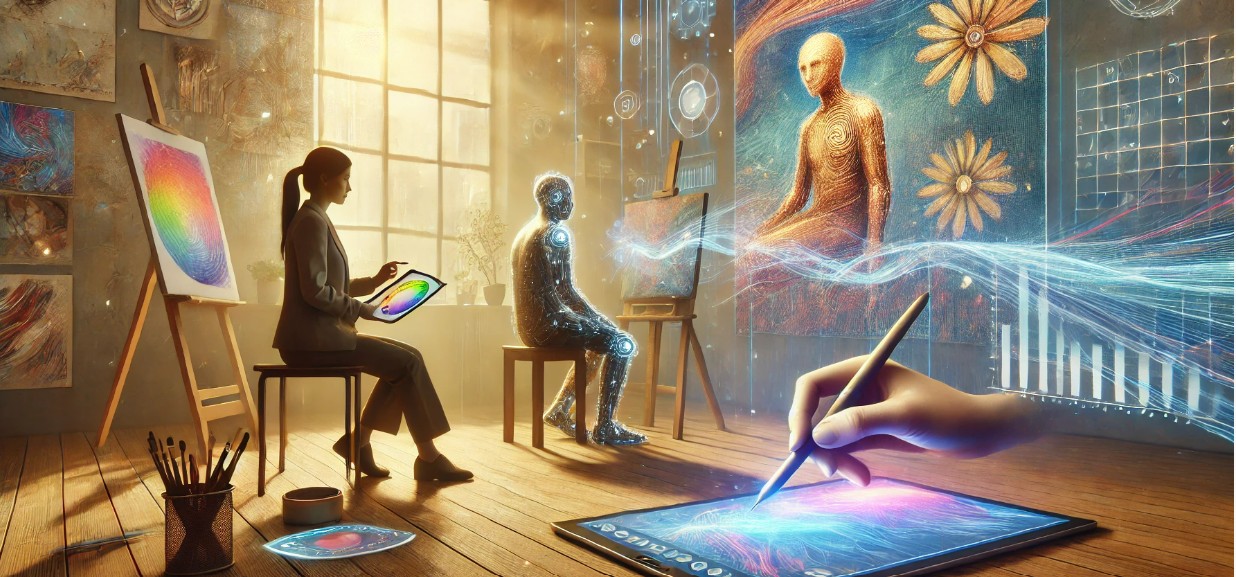
ICT integration in art therapy offers new ways to engage and treat patients through the use of digital technologies. These technologies can include graphics tablets, drawing software, augmented reality (AR) and virtual reality (VR), and social media platforms. The use of ICT in art therapy not only modernizes therapeutic approaches, but can also facilitate access to therapy for people who cannot attend face-to-face sessions.
Specific Applications of ICT in Art Therapy
Digital Drawing and Painting Software:
Use: Therapists can use applications such as Adobe Photoshop, Procreate, or Autodesk Sketchbook to allow clients to create digital art.
Benefits: These tools offer a wide range of creative options without the need for physical materials, which is ideal for clients with physical limitations or allergies.
Virtual and Augmented Reality:
Use: VR and AR can be used to create immersive environments where clients can paint or sculpt in a virtual space.
Benefits: These technologies can help reduce anxiety and stress, providing a virtual escape that stimulates creativity and relaxation.
Online Art Therapy Platforms:
Use: Platforms like the Art Therapy Platform offer art therapy sessions led by licensed therapists, accessible from home.
Benefits: These platforms make art therapy accessible to isolated individuals or those who live in areas where therapists are not available.
Social Media and Blogs:
Use: Therapists can use platforms like Pinterest or Instagram to share artistic creations and inspire clients.
Benefits: Social media can provide community support and a platform for creative expression and sharing personal experiences.
Collaboration Software:
Use: Apps like Miro or Google Jamboard allow clients and therapists to collaborate in real time on art projects.
Benefits: These tools support interaction and immediate feedback, essential elements in the therapeutic process.
Case Studies and Research
Case Studies: Documenting and presenting case studies where ICT has been successfully integrated into art therapy sessions can provide concrete evidence of the benefits of this approach.
Research: It is vital to promote and fund research that explores the effectiveness of different technologies in art therapy, in order to validate and refine these methods.

Reviews