Codine association-Game 1: Memory Match Challenge
Partners’ note
Based on the "Seniors ZONE in gamification and art-therapy"
(S-Zone) project objectives, our workshops were meticulously crafted through a
collaborative, feedback-driven process involving all project's transnational
partners. Each partner organization brought unique strengths and expertise,
enriching the design and implementation of these workshops. Constant and structured feedback from the project's target group in the
Netherlands also played a pivotal role. Through preliminary testing phases,
focus groups, and ongoing consultation, Dutch seniors and adult educators
provided us invaluable insights into their preferences, needs, and abilities.
Their real-time feedback guided refinements in workshop structure, pacing,
complexity, and visual clarity, ensuring maximum relevance, engagement, and
practical effectiveness. This continuous cycle of collaborative partner input and participant
feedback was fundamental to tailoring each workshop closely to the project’s
objectives. As a result, we hope these workshops genuinely reflect the diverse
cultural insights, pedagogical strengths, and practical needs identified
through the enriching transnational cooperation central to the Seniors ZONE in
gamification and art-therapy project's success. These workshops were specifically designed to achieve the project's
objectives and align perfectly with its intended purposes: Reducing social exclusion among
seniors (50+): Enhancing digital, cognitive, and
practical skills through innovative methods: Fostering emotional expression and
effective communication: Improving fine motor skills and
physical coordination: Building competencies among adult
educators: In essence, each workshop has been carefully tailored to fulfill the
"Seniors ZONE in gamification and art-therapy" project's overarching
goal of fostering inclusion, enhancing cognitive and emotional well-being, and
expanding educational methodologies through innovative, accessible, and engaging
activities. Image credits: pexels.com
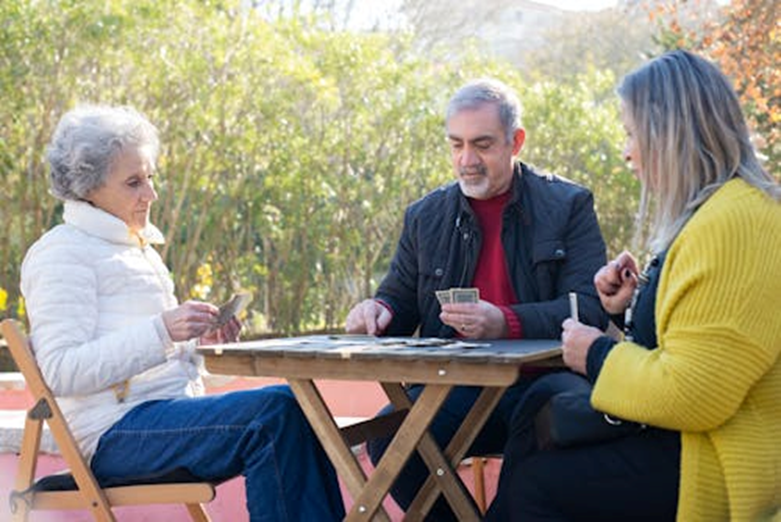
The Memory and Attention Games support cognitive stimulation, foster active
engagement, and enhance social interaction among older adults. By leveraging
gamification methods, the games directly tackle feelings of isolation and
marginalization, which are central concerns identified in the project.
These workshops utilize gamification techniques as outlined by the S-Zone project,
promoting digital engagement and cognitive enhancement. Seniors are guided
through accessible yet challenging activities designed to improve memory,
attention, and problem-solving abilities, which are essential skills for
maintaining independence and quality of life.
The Creative Writing Workshops encourage seniors to express their emotions,
reflect on their life experiences, and communicate effectively through
storytelling, poetry, and journaling. This directly aligns with the project's
art-therapy goal, offering therapeutic emotional outlets and promoting social
cohesion through shared storytelling experiences.
The Modeling Workshops, involving tactile art activities such as clay sculpting
and collage creation, align with the art-therapy component highlighted by the
S-Zone project. These activities specifically address the physical and
emotional well-being of seniors, enhancing their motor skills, hand-eye
coordination, and emotional resilience through artistic expression.
These structured workshops also serve as practical tools for adult education
workers, aligning directly with the project's objective of increasing
educators' skills in applying gamification and art-therapy. By learning and
applying these innovative methodologies, educators become better equipped to
support seniors effectively.