
Spot-the-Change Challenge
Purpose
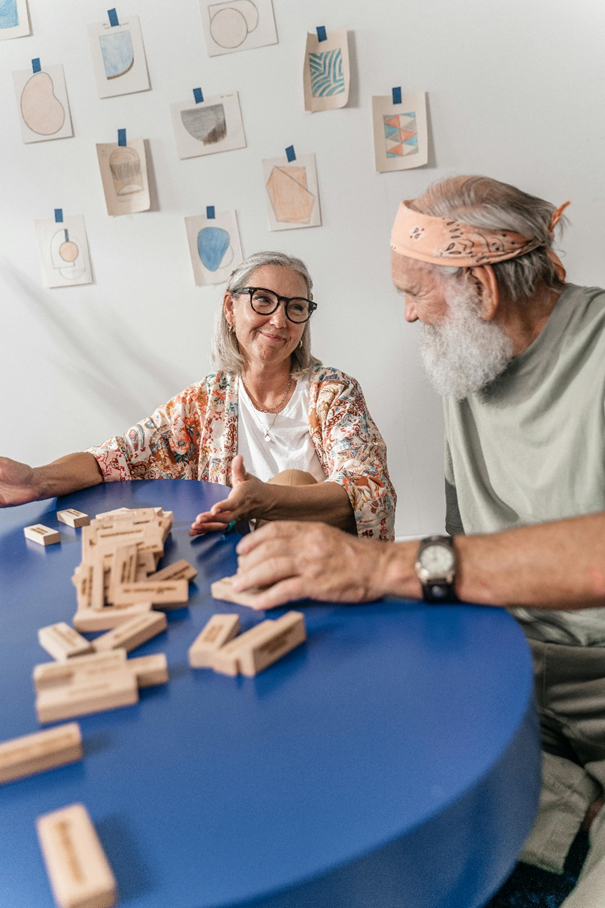
A classic change-detection task: players study an image (or a tray of objects)
for 30 s, endure a short distraction, then inspect a version that now contains
1-2 alterations. Repeated practice in this paradigm reliably sharpens selective
visual attention and visuospatial working-memory precision in older adults. nature.com
Key Objectives
|
Cognitive Target |
How the game trains it |
|
Selective attention |
Players must ignore unchanged elements and focus on discrepancies. |
|
Working memory |
Remember spatial layouts and object details across a delay. |
|
Processing speed |
Time-limited rounds encourage faster encoding and comparison. |
Materials & Difficulty Curve
Round Structure
Measurement & Feedback
Track (a) correct changes per round, (b) average decision time, (c) flawless-round streaks. Compare pre/post scores on standard attention tests (e.g., Trail-Making A) for objective gains.
 S-Zone