Codine association-Workshop 1
Life Story Writing (Autobiography Circle)
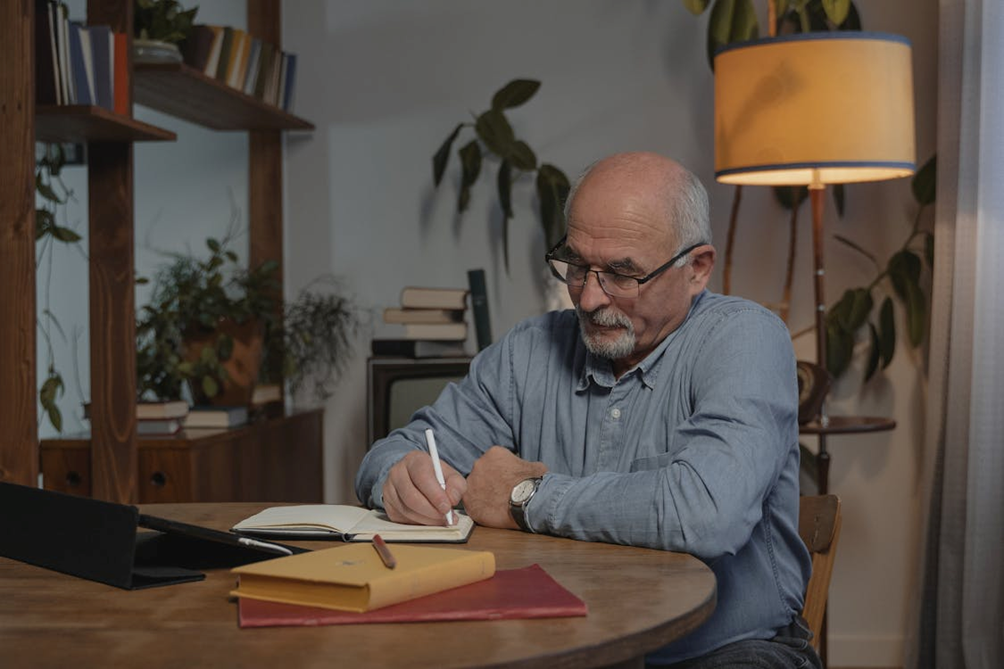
Introduction: A guided “life review” writing session. Seniors write short narratives about significant life events (e.g. childhood memory, first job, proudest moment). Writing personal stories (often in the form of letters or journals) has been shown to improve mental health and create a sense of purpose generations.asaging.org. Sharing excerpts fosters social bonds and empathy.
Goals: Enhance emotional expression, reflect on life positively, and strengthen social connection through storytelling.
Structure & Duration: 1–1.5 hours. Begin with a group warm-up discussion: e.g. “Tell us one thing that makes you proud.” Provide notebooks or digital editors. Outline a simple timeline or prompt (e.g. “Write about a favorite childhood place for 10 minutes”). After writing, volunteers (or small groups) read aloud in a supportive circle.
Methodology:
Example Prompts:
Learning Outcomes: Participants practice narrative skills and organize memories, which exercises cognitive function. Life-review writing has a positive impact on seniors’ mental health. Sharing stories builds social rapport and reduces isolation. They experience empowerment in framing their life stories and see the value of their experiences.
Evaluation: Pre- and post-workshop surveys can assess mood, loneliness, or sense of purpose. Collect qualitative feedback on how participants felt after writing and sharing (often uplifted and connectedgenerations.asaging.org). Facilitators can note improvements in writing fluency or confidence (e.g. willingness to share more personal details).
https://docs.google.com/forms/d/e/1FAIpQLSch5TzKKZZBWjipwJAXoR7XP6BWmq0u9IjIuC951_gLrXOiXQ/viewform?usp=dialog S-Zone