Codine association
Workshop 4: Clay Sculpting for Hands and Heart
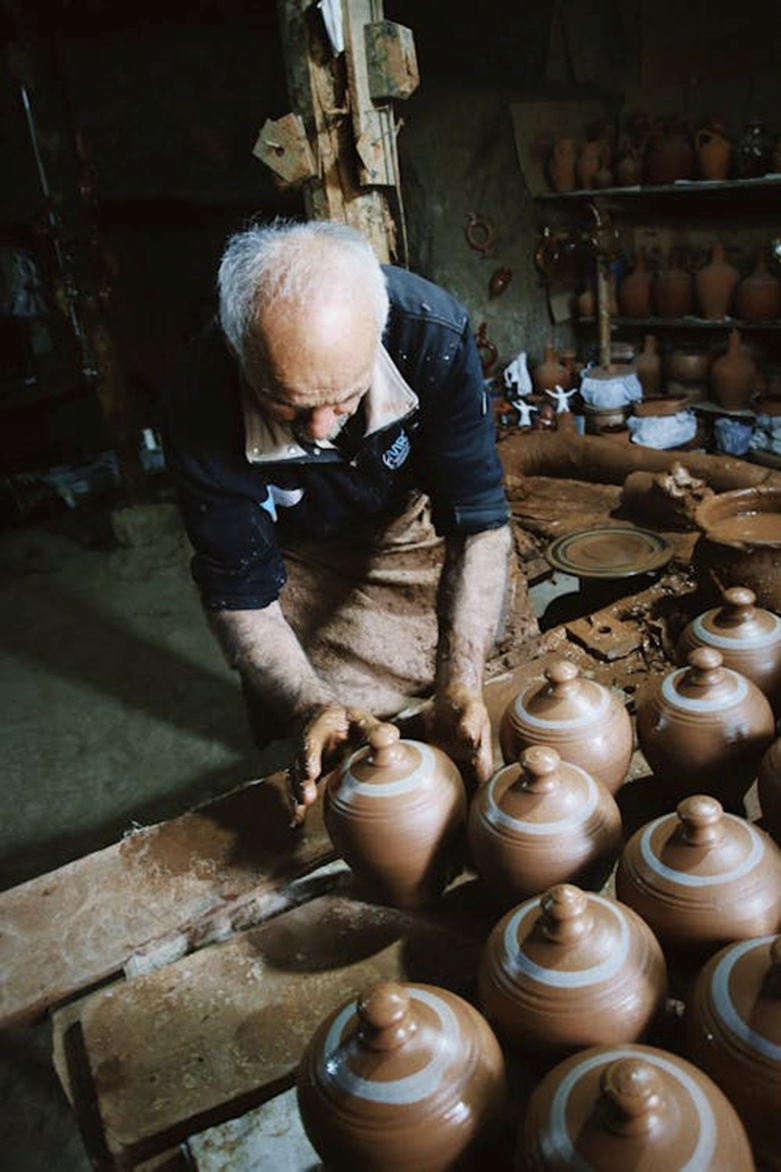
Introduction: A guided clay modeling session where seniors sculpt simple objects (bowls, vases, figures) or tap into creativity through molding. Touching and shaping clay improves hand strength, dexterity, and coordination. The tactile, sensory experience is soothing, reducing stress while focusing fine motor control. Art therapy research confirms that working with clay enhances upper-body motor skills and provides emotional catharsis.
https://enrich519.com/art-therapy-activities-for-seniors/#:~:text=Sculpting%20with%20Clay
Structure & Duration: 1.5–2 hour session. Begin with warm-up (gentle hand stretches). Give a live demonstration or video on basic clay techniques (pinching, rolling, coiling). Participants sit around a table or studio space. Each person has a small lump of clay and sculpting tools.
Materials: Soft clay (air-dry or kiln clay), water containers, sculpting tools (e.g. wooden knives, rollers), aprons, wipes. Optional: paint/markers for after-drying decoration.
Methodology: Use an art-therapy approach – encourage self-expression (“What does this clay feel like to you?”) as well as guided instruction. Start with an easy project (e.g. pinch-pot dish) and progress to more complex (adding texture or shapes). Collaborate in pairs to make pieces for each other to practice social skills.
Activities:
Learning Outcomes: Participants will improve fine motor precision (pinching, smoothing) and bilateral coordination (using both hands). They’ll experience heightened sensory awareness and emotional release. Visible take-home artwork reinforces success. Art therapy literature notes these activities also boost confidence and mood.
Evaluation: Observe improvements in grip strength or finger agility (simple grip dynamometer or pegboard test before/after series of sessions). Collect participant feedback on enjoyment and self-perceived dexterity. Evaluate the process: e.g., note how much time each spends on a task. Therapy outcomes (reduced anxiety, increased communication) can be measured via standard art-therapy scales or surveys.
https://docs.google.com/forms/d/e/1FAIpQLSd2MOuSzw17NlskzKEN-h45dn8OYB0HhnsEcDun6szdi8pCoQ/viewform?usp=dialog S-Zone